More than four months after Ayatollah Ali Khamenei was killed, Iran is preparing to give its late supreme leader a state funeral — an elaborate, days-long mourning that had been repeatedly postponed and is now set to unfold this coming week.
A funeral long delayed
Khamenei, who had led Iran since 1989, was killed in late February in an Israeli airstrike during the conflict between Iran and Israel, and his death was confirmed by the Iranian government days later. The public farewell was pushed back multiple times amid the war and security concerns, Al Jazeera reported when authorities announced the dates.
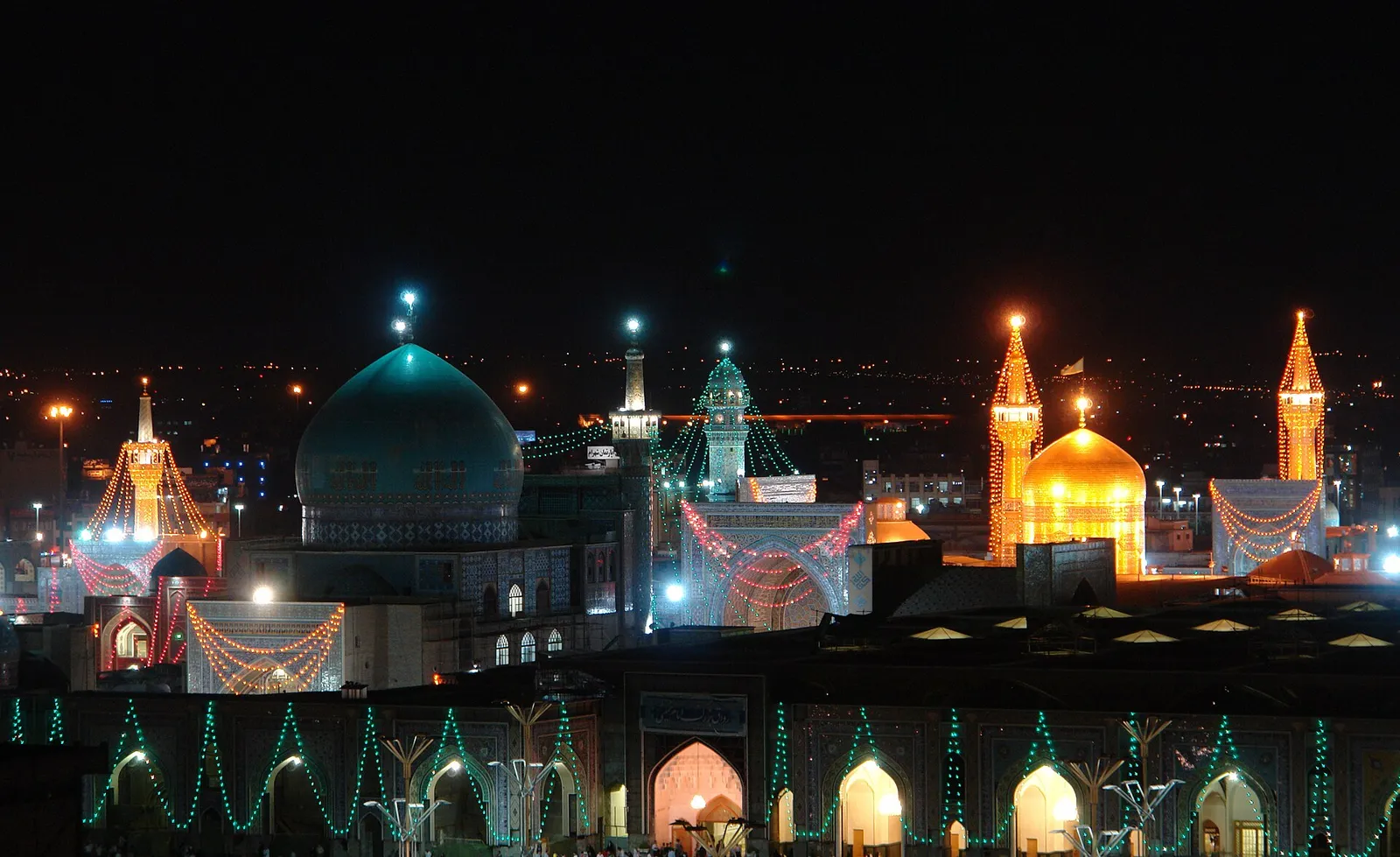
Now the ceremonies are scheduled to run over several days in early July, moving through Iranian cities before his burial, The New York Times reported as preparations got under way. He is to be laid to rest at the Imam Reza shrine in Mashhad, one of Shiite Islam's holiest sites — a mark of the standing Iran's establishment is according its longtime leader. Authorities are bracing for enormous crowds and the security challenges that come with them.
A succession already settled
Unlike the drawn-out farewell, the question of who would follow Khamenei was resolved quickly. Iran's Assembly of Experts, the clerical body empowered to choose the supreme leader, named his son Mojtaba Khamenei to the post in March, The Washington Post reported amid the transition. The elevation of the younger Khamenei — long seen as an influential figure behind the scenes — installed a hereditary-style succession that some Iranians and outside analysts had questioned, given the republic's official rejection of dynastic rule. His selection came after an interim leadership arrangement held power in the weeks after the assassination.
A nation, and a region, watching
The funeral arrives at a fraught moment. Iran is emerging from a bruising conflict, its leadership reshaped by an assassination that would have been almost unthinkable a year ago, and its economy strained. How the new supreme leader governs — whether he continues his father's confrontational posture or bends toward the pragmatism some abroad hope for — will shape Iran's path and its dealings with the United States and its neighbors. For now, the immediate business is mourning: a state farewell for a man who defined the Islamic Republic for more than three decades, staged at last after months of delay.