

The visit begins, more and more often, at a security desk: bags searched, guards posted, entrances reinforced. For Europe's Jewish museums — institutions built to open Jewish history and culture to the public — heightened protection has become a routine part of the experience, a response to a climate that surveys and officials describe as increasingly anxious.
A wary climate
Concern about antisemitism in Europe is broad and, by the European Union's own polling, growing. In a survey published in January 2026, a majority of Europeans said antisemitism is a problem in their country, a larger share than in past years, with many saying it had worsened over the previous five years. The European Parliament, in a session this spring, called for stronger measures to combat antisemitism and protect Jewish life across the bloc, framing the safety of Jewish communities and institutions as a continent-wide responsibility.
The cost of security
That climate carries a price, borne heavily by the institutions themselves. Jewish organizations — schools, synagogues and museums alike — now devote a substantial slice of their budgets to security: guards, cameras, and physical hardening such as reinforced glass and barriers, Bloomberg reported. For a museum, every euro spent on protection is one not spent on exhibitions or education, and the visible apparatus of security can itself shape how welcoming a space feels.
The bind for cultural institutions
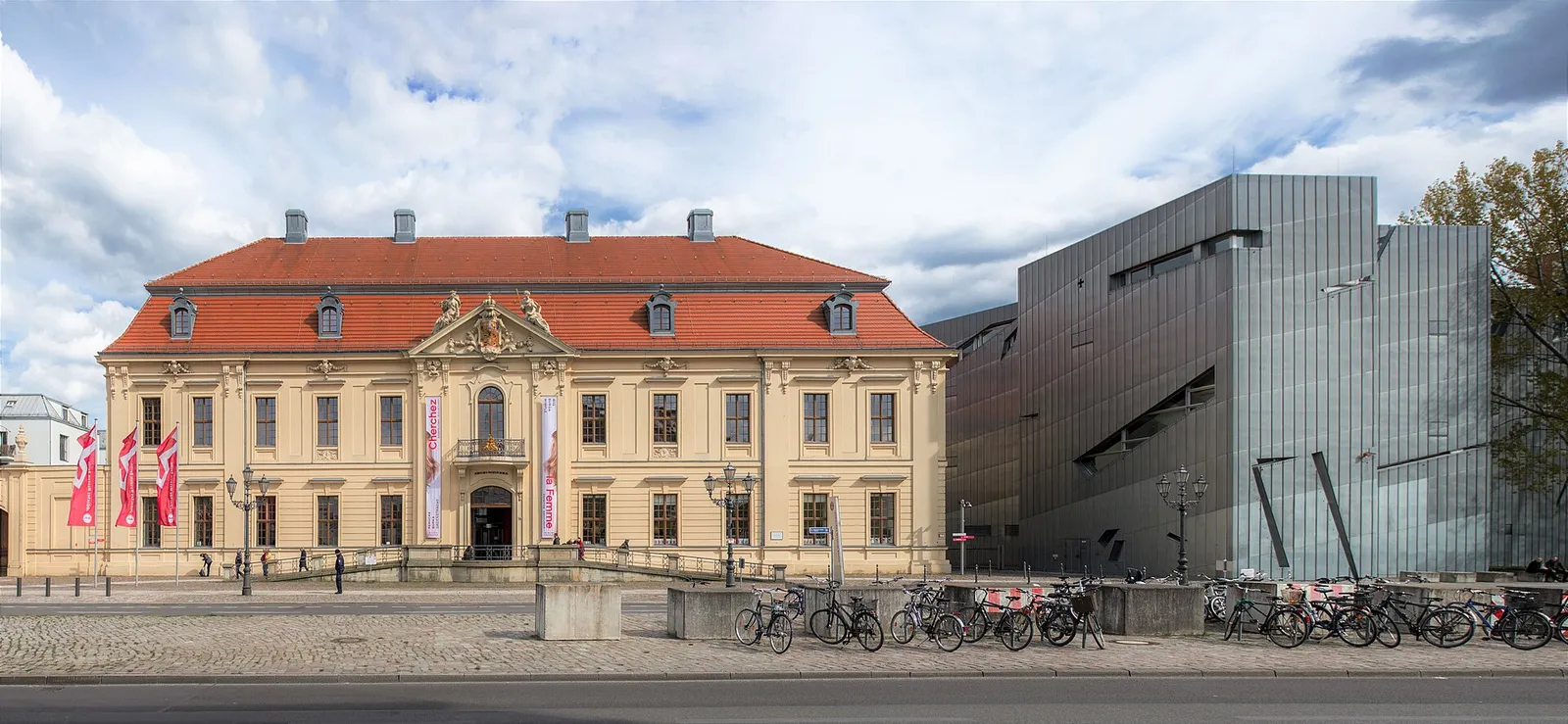
Museum leaders describe a genuine tension. Their mission is openness — to draw the broadest possible audience into Jewish history, art and memory — yet the threat environment pushes toward caution and control. Screening that keeps people safe can also deter casual visitors, and a fortress-like entrance sits uneasily with a place meant to invite curiosity. The Jewish Museum Berlin, one of Europe's most prominent such institutions, is among those where visitors are advised that security checks may add time to a visit.
The broader worry, for those who run these places, is what the moment signifies: that preserving and sharing Jewish culture in Europe now requires guarding it. The exhibitions go on, and the visitors still come. But they arrive, increasingly, through a checkpoint — a small, daily reminder of the pressures bearing on Jewish life on the continent.