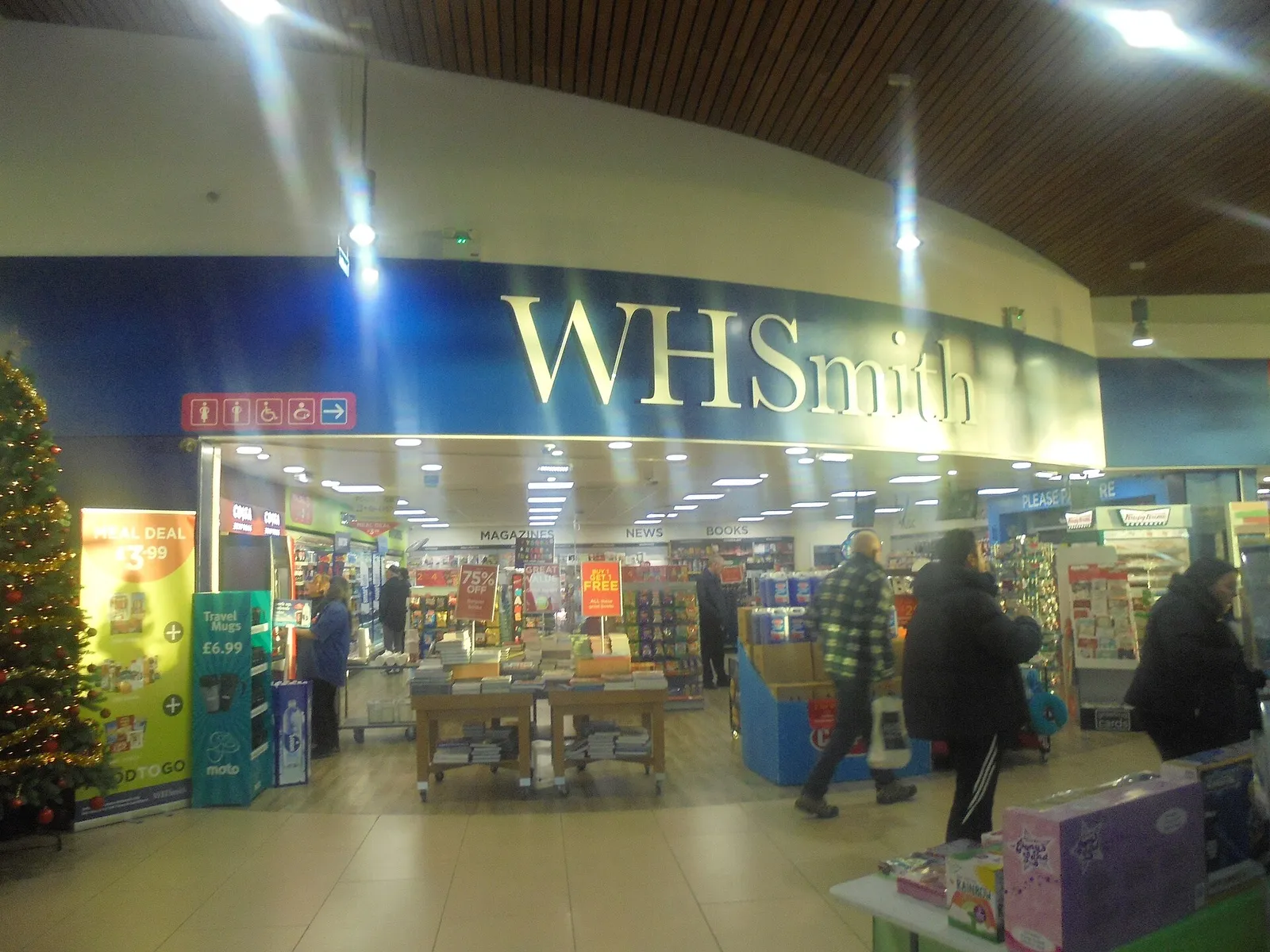
One of Britain's most familiar retail names is retreating further from the high street. A court has approved a restructuring of the chain formerly branded WHSmith — now trading as TG Jones — that clears the way to close up to 150 of its 451 shops.
What the court approved
The High Court signed off on the plan this week after hearing that the business was on the brink of insolvency, facing a cash shortfall of nearly £8 million and, in the words presented to the court, "running on fumes," the BBC reported. To keep the chain afloat, its owner, the investment firm Modella Capital, is providing a fresh loan of about £15 million on top of £10 million lent earlier this year, GB News reported.
The rescue leans heavily on landlords. Under the deal, some 120 landlords will receive no rent for up to three years, and rents on hundreds of other stores will be cut by between 15% and 75% — a measure of how unprofitable many of the locations had become. The chain employs roughly 4,700 people across its 451 shops, and the precise number of job losses will depend on how many stores ultimately close.
From WHSmith to TG Jones
The company at the center of the crisis is no longer WHSmith itself. Founded in 1792, WHSmith sold its high-street business last year to Modella Capital, which rebranded the shops TG Jones. WHSmith kept the far healthier part of its empire — the outlets in airports, train stations and hospitals — which now generate the bulk of the group's sales and profit. In effect, the parent company walked away from the high street and held on to travel retail, betting that the future lies with captive audiences of travelers rather than town-center shoppers.
That split is the whole story in miniature. The travel shops thrive on foot traffic that has nowhere else to go; the high-street shops must compete with online retailers, out-of-town outlets and a cost-of-living squeeze on discretionary spending.
A high street under pressure
The TG Jones cutbacks land amid a broader contraction of British physical retail. Chains across the country have been shedding stores as energy bills, business rates, wage costs and the steady migration of shoppers online eat into the economics of running a shop. Familiar names have closed sites or fallen into administration over the past year, hollowing out town centers that once revolved around them.
For customers, the immediate effect is another blank frontage where a shop used to be. For the industry, the fate of a 230-year-old name is a warning: on today's high street, heritage is no guarantee of survival.