

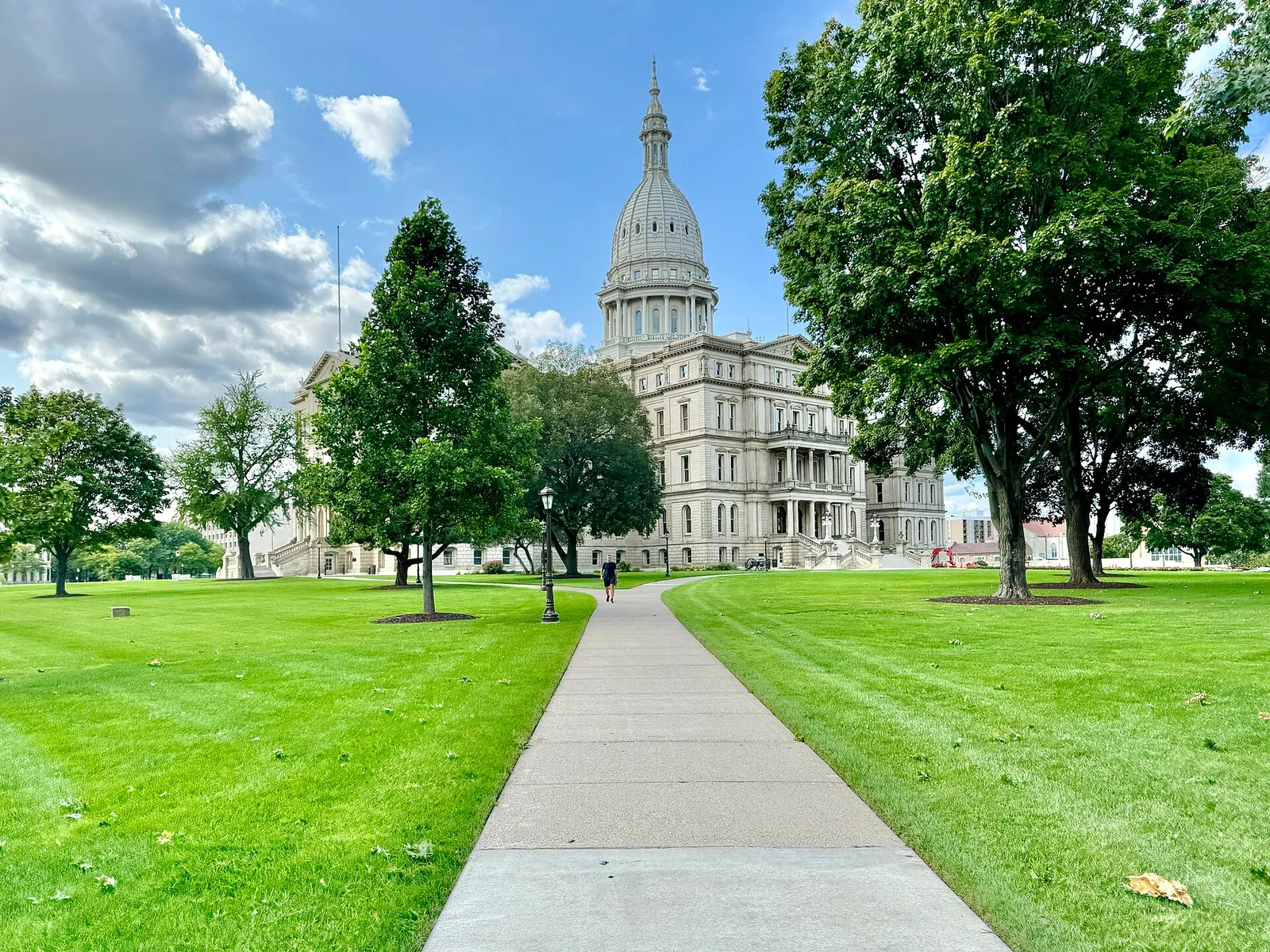
One of the most competitive Senate races of the 2026 midterms is unfolding first as a Democratic family argument. In Michigan, a battleground state with an open seat up for grabs, the party's August 4 primary has drawn a crowded, well-funded field and become a proxy fight over the Democrats' direction.
An open seat
The contest exists because Senator Gary Peters, a two-term Democrat, announced in early 2025 that he would not seek re-election, Ballotpedia notes. That left a rare open Senate seat in a perennial swing state — the kind of race that can help decide control of the chamber, and one both parties are watching closely.
The three front-runners
Five Democrats are on the primary ballot, but three have led in polling, fundraising and attention, according to Ballotpedia:
- Abdul El-Sayed, a physician and former Detroit-area health official who ran for governor in 2018, campaigning as a progressive.
- Haley Stevens, a U.S. representative from suburban Detroit with a more establishment, labor-aligned profile.
- Mallory McMorrow, a state senator who drew national attention for a viral 2022 floor speech.
Rachel Howard and Travis Zollner round out the field.
A test of the party's wings
The primary has taken on outsized meaning as a contest between the Democratic Party's progressive and establishment camps. El-Sayed has consolidated support on the left, picking up endorsements from prominent progressives including Senator Bernie Sanders and members of the House's progressive bloc, as well as from the United Auto Workers. Stevens, meanwhile, has drawn establishment backing, including from Senate Democratic leader Chuck Schumer.
Not every high-profile progressive has taken sides. Representative Alexandria Ocasio-Cortez, whose endorsements have been coveted this cycle, has so far stayed out of the Michigan race, part of a more selective approach she has taken to high-stakes Senate primaries, Axios reported.
Why it matters
Michigan is a genuine swing state, and the seat could prove pivotal to the fight for Senate control in November. That raises the stakes of the primary's central question: whether Democrats nominate a candidate from the party's progressive wing or its center-left mainstream, and which profile is best positioned to hold the seat in a general election. With the vote just weeks away, the three leading campaigns are pressing their cases — and the rest of the party is watching Michigan for a signal about where its coalition is heading.