

Speaker Mike Johnson's control of the House slipped again on Tuesday, as more than a dozen Republicans broke with their leadership to block a defense bill and send the chamber into an early Fourth of July recess — the second week running that a small group of conservatives has ground the floor to a halt.
The vote
Fourteen Republicans joined Democrats to defeat a procedural rule, 198-224, that was needed to advance the National Defense Authorization Act, The Hill reported. Because the House cannot take up major legislation without first adopting such a rule, the defeat effectively froze the floor and stranded the must-pass defense measure before lawmakers left town, Time reported.
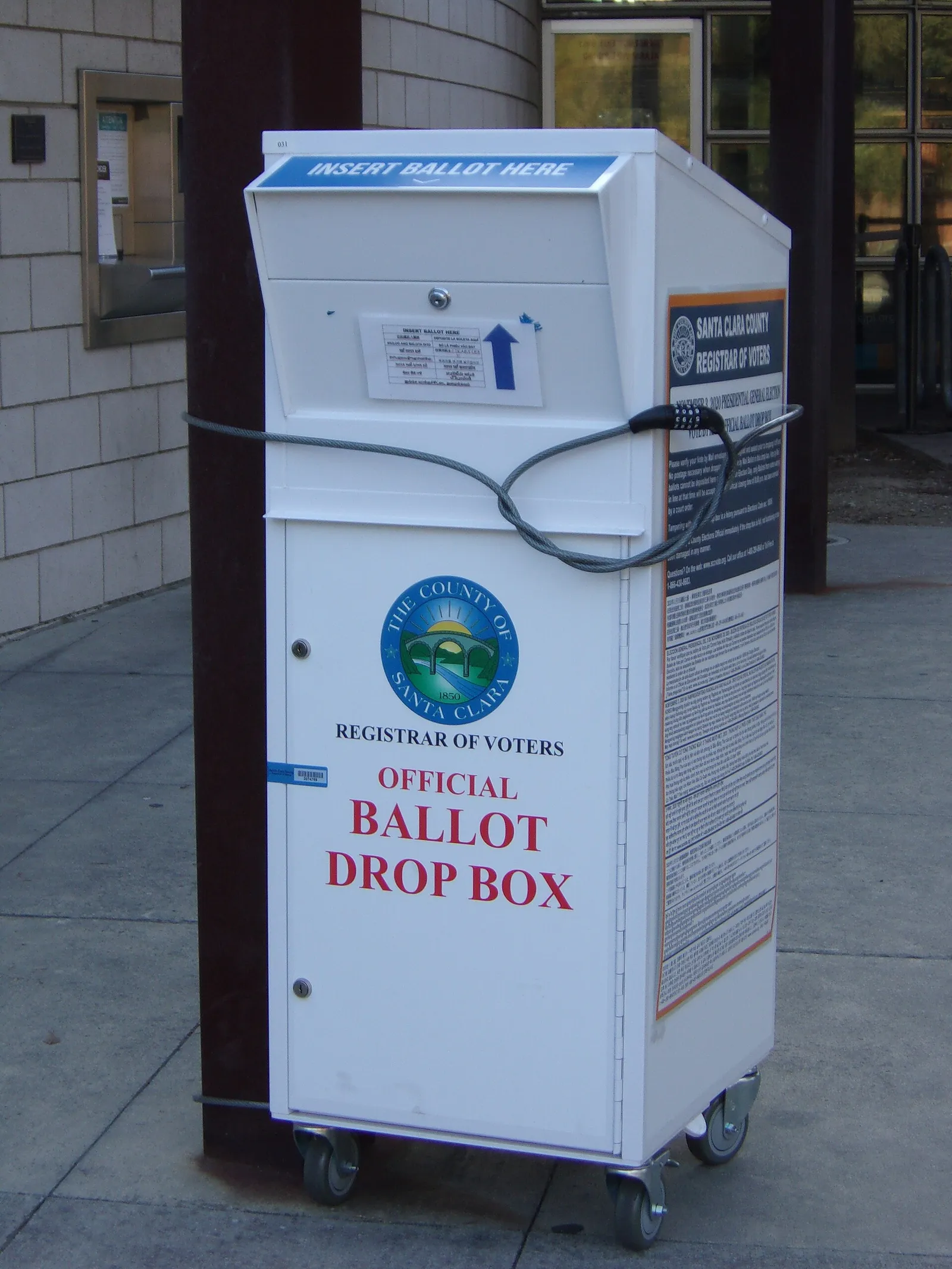
The revolt was not about the defense bill itself. It was a fight over Trump's SAVE America Act — the Safeguard American Voter Eligibility Act, which would require proof of citizenship to register to vote.
What the holdouts wanted
To satisfy conservatives who feared the SAVE Act would die in the Senate, Johnson had proposed packaging it with the NDAA so the two would travel together to the upper chamber if both passed the House — a maneuver known on Capitol Hill as "MIRVing." A group of hardliners, led by Rep. Anna Paulina Luna of Florida, rejected that approach, arguing it did little to protect the voter bill and that they wanted a straight, standalone vote instead, CBS News reported.
The Republicans who voted down the rule included Tim Burchett of Tennessee, Eric Burlison of Missouri, Eli Crane of Arizona, Randy Fine of Florida, Andy Harris of Maryland, Luna, Max Miller of Ohio, Chip Roy of Texas, Keith Self of Texas, Victoria Spartz of Indiana, Mike Turner of Ohio, Thomas Massie of Kentucky and Lauren Boebert of Colorado, per The Hill. House Majority Leader Steve Scalise also switched his vote to "no" — a procedural step that lets leaders bring the measure back up later.
A recurring problem for the speaker
It was the second consecutive week that internal rebellion had stalled the Republican agenda, Axios reported. Johnson governs one of the narrowest majorities in modern history, leaving him almost no room to lose votes on party-line measures — a math problem that has repeatedly handed leverage to small factions willing to vote against their own leadership on procedural rules, a step that rank-and-file members have traditionally treated as automatic.
Trump, who has pushed the SAVE Act, urged House Republicans publicly to stop voting down rules, according to reporting on his response, but the intervention did not break the impasse before the recess.
What happens next
With the House out until after the holiday, Johnson has time to negotiate but no guaranteed path. He and his allies have floated alternatives for advancing the voter bill, and the "no" vote by Scalise preserves the option of reviving the defense-bill rule when members return. For now, the episode is another illustration of a persistent dynamic of this Congress: a speaker with a majority so thin that a handful of his own members can stop the House in its tracks.