

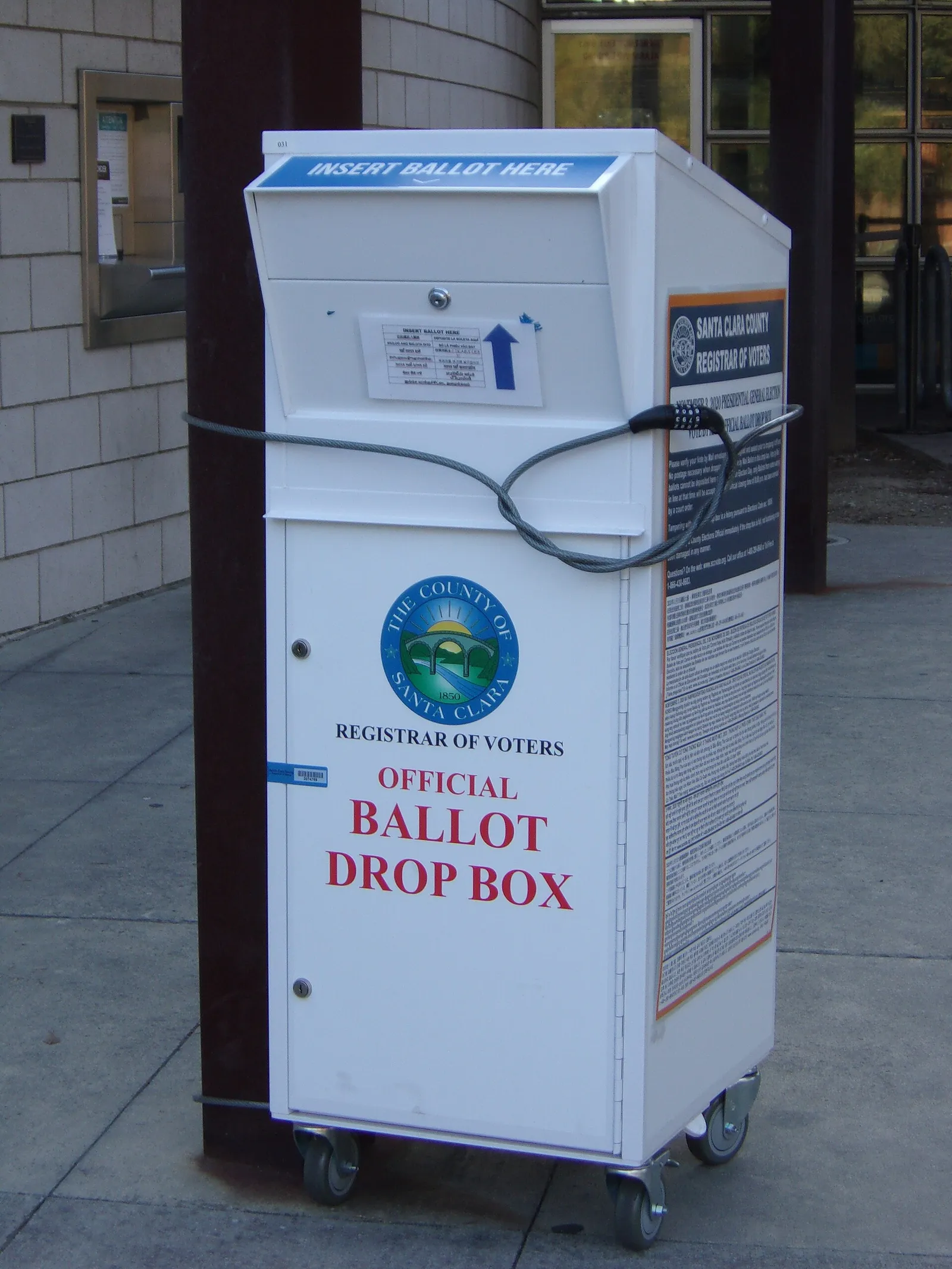
A federal judge has blocked the U.S. Postal Service from imposing new conditions on how it delivers mail-in ballots, handing a victory to the NAACP months before the November midterm elections and reaffirming a settlement that binds the agency to prioritize election mail.
What the judge ruled
U.S. District Judge Emmet Sullivan in Washington ruled on July 1 that the Postal Service could not carry out the restrictions, Al Jazeera reported. The plan grew out of a March 31 executive order and a rule the agency published in June that would have conditioned ballot delivery on states meeting new requirements — including submitting certified lists of their mail-in voters and adopting ballot envelopes with individualized tracking barcodes, CNN reported. States that declined or failed to comply could have seen mail ballots go undelivered.
Judge Sullivan found the plan collided with a 2021 settlement between the NAACP and the Postal Service that requires the agency to prioritize the "monitoring and timely delivery of Election Mail" and to maintain that commitment through 2028. The Postal Service, he wrote, cannot pledge to deliver all election mail while adopting a policy under which it would refuse to accept or deliver ballots from some states. The court described the agency's contrary arguments as "without merit," according to Democracy Docket, a voting-rights news outlet that has followed the litigation.
The two sides
The administration has framed the barcode-and-verification requirements as a way to tighten the security and traceability of mail voting. Many state and local election officials objected, citing the cost and logistics of overhauling ballot envelopes and voter-list procedures on a short timeline. The NAACP argued the conditions would, in practice, choke off ballot delivery in states that could not or would not comply — undercutting the very guarantee the 2021 settlement was meant to secure.
What comes next
The ruling applies nationwide and bars the Postal Service from implementing any part of the plan. CNN described it as the second courtroom defeat in as many weeks for efforts to restrict mail voting. Neither the Postal Service nor the administration had said whether it would appeal, and the underlying dispute over how mail ballots are verified and tracked is likely to continue in the courts and in Congress. For now, the rules that governed mail-in voting in recent elections remain in place heading into the fall.