


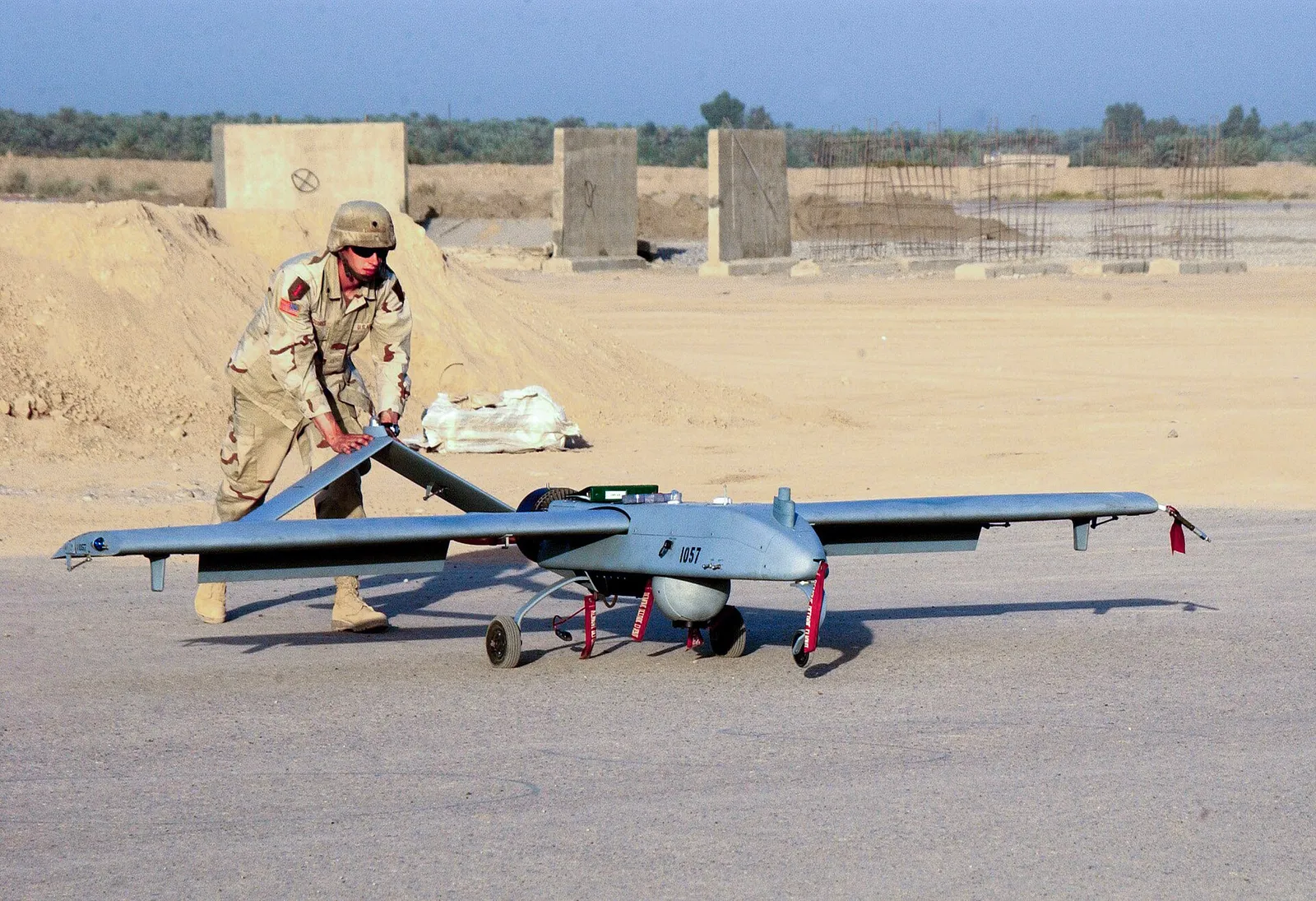
Across Europe's eastern flank, a growing number of drones have appeared where they should not be — over airports, military sites and border regions — forcing jets into the air and passengers into delays, and raising a question governments are struggling to answer with certainty: who is sending them?
A rising tempo
Drone sightings and incursions into NATO and European Union airspace have become steadily more frequent, particularly since Russia's full-scale invasion of Ukraine in 2022, Euronews reported in a survey of the phenomenon, noting incidents reported by countries including Poland, Romania and the Baltic states. The most dramatic came in September 2025, when Poland said around 19 drones entered its airspace, prompting it to close several airports and to request consultations with allies under NATO's Article 4.
Airports well inside Western Europe have been disrupted too. Munich Airport briefly halted flights after drone sightings, part of a wave of unexplained appearances that officials in several countries have been unable to fully explain, Fortune reported.
Suspicion, not always proof
European leaders increasingly frame the pattern as part of Russian "hybrid" or "gray zone" pressure — actions meant to unsettle and test NATO while staying below the threshold of open war. But officials and analysts are careful to distinguish suspicion from confirmed attribution. In some episodes a government has been able to say a drone was Russian; in many others, investigators cannot conclusively identify who launched a craft or whether it was a stray — including cases where drones tied to the war in Ukraine may have been knocked off course, sometimes by Russia's own electronic jamming. Moscow has denied responsibility for incursions.
That ambiguity is, in the view of many European officials, part of the design: deniability makes a firm collective response harder to mount.
Scrambling to respond
Europe's answer so far has been largely defensive and uneven. Several governments have moved to loosen rules on shooting down drones, and NATO has been standing up ranges and units to test counter-drone technology, Defense News reported from a site in Latvia. Officials there described the core difficulty bluntly: defenders have to succeed every time, while an intruder needs to get through only once.
Some European lawmakers have pushed for a unified, continent-wide response, arguing that an incursion against one member state should be treated as a challenge to all. For now, though, the pattern continues — jets scrambled, airports briefly closed, investigations opened — as Europe tries to build defenses fast enough to keep pace with a threat that is cheap to launch and hard to pin down.