


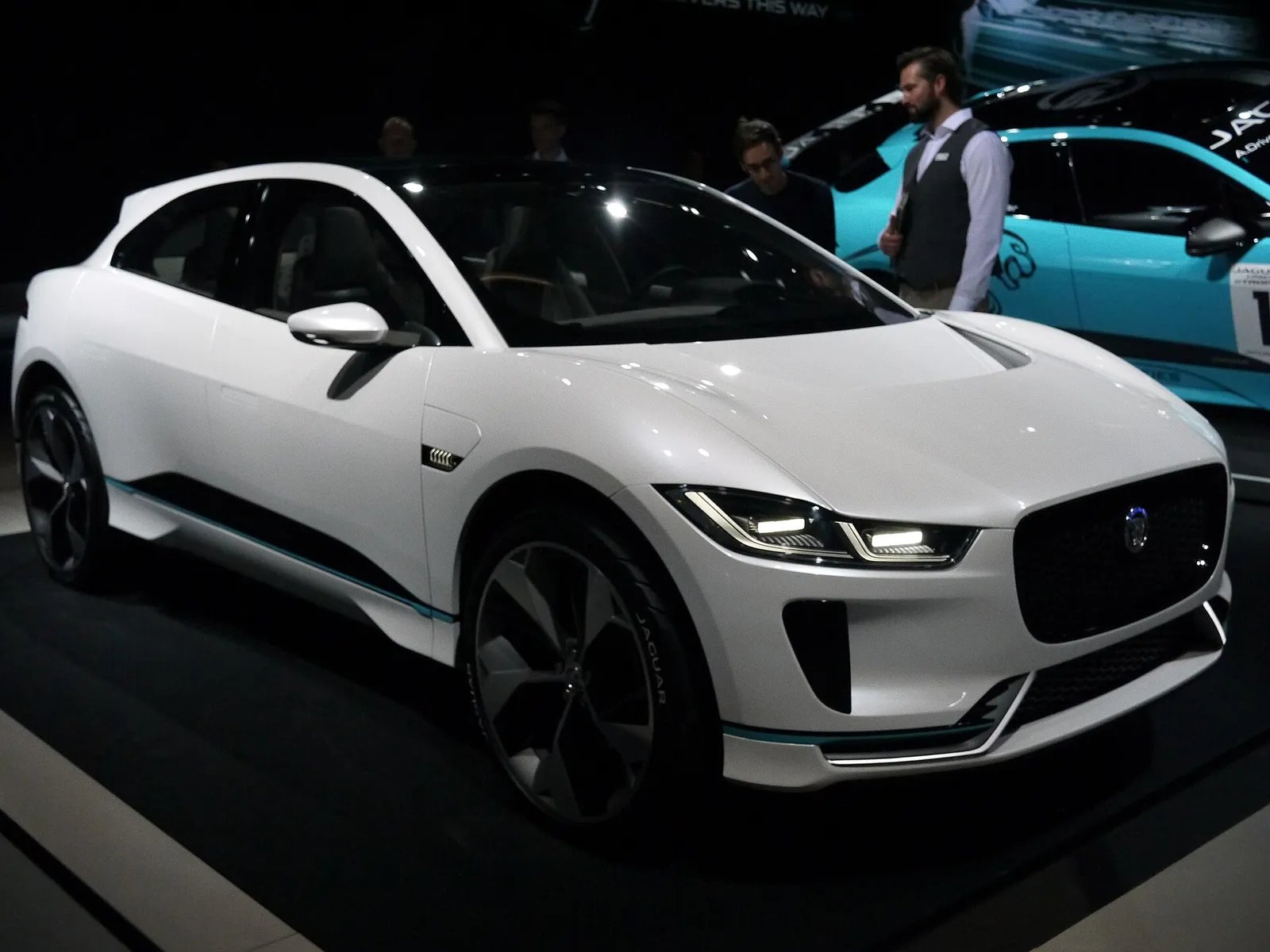
Jaguar is trying to become a different company. The British luxury carmaker, part of the Tata-owned Jaguar Land Rover group, is dropping its combustion-engine lineup to relaunch as an all-electric brand aimed squarely at the wealthy — and doing so with a design language that abandons the sleek curves that defined it for a bolder, blunter, more angular look. It is one of the most drastic reinventions a legacy carmaker has attempted, and it has split opinion sharply.
The rebrand that lit the fuse
The controversy began with marketing, not machinery. In late 2024, Jaguar released a rebrand campaign — bright colors, stylized models, the slogan "Copy Nothing" — that conspicuously featured no car at all. The reaction online was brutal, ranging from confusion to mockery to anti-"woke" criticism; among the jabs was a widely shared one-line dig from Elon Musk, "Do you sell cars?", Al Jazeera reported. Brands and internet users piled on with parodies.
The car behind the campaign
Weeks later, Jaguar unveiled the Type 00, a low, dramatic two-door concept, at an art event in Miami, Dezeen reported. Its exaggerated proportions and stark styling signaled the direction of the brand's coming electric models — a clean break from Jaguar's heritage look, as CNN noted. Jaguar has said it is repositioning upmarket, toward the rarefied territory of makers like Bentley, and away from the mainstream premium segment dominated by the German brands.
Bold strategy or self-sabotage?
Jaguar's leadership frames the overhaul as a matter of survival: it cannot out-spend the German giants in mainstream electric luxury, the argument goes, so it must move to a smaller number of higher-margin, design-led cars for a wealthier buyer — even if that means alienating much of its current customer base. Supporters see a brand willing to take a real risk rather than fade quietly.
Critics see recklessness. They question whether Jaguar has the brand cachet to command ultra-luxury prices, whether the divisive styling will attract buyers or repel them, and whether torching a familiar identity before the production cars have proven themselves is a bet the company may regret. The debate will not be settled by a concept car or an ad; it will be settled when the electric Jaguars go on sale and the market decides whether the reinvention was visionary or a cautionary tale.