For decades, a Cuban deciding to leave the island looked north, toward Florida. A growing number are now looking south instead — to Guyana, a country most had barely heard of a few years ago, and one being remade by oil.
A surge in the numbers
Official Guyanese figures show a sharp jump in Cuban arrivals over the past five years: roughly 135,000 Cubans were granted legal status last year, up from just over 800 in 2020, The Associated Press reported. Many pass through, but an estimated 5,000 to 7,000 now live in the country. The pull is straightforward: Guyana does not require a visa for Cuban nationals, and its booming economy is hungry for labor.
The push is the crisis back home. Cuba is enduring one of the worst economic contractions in its modern history — chronic blackouts, shortages of food and medicine, and soaring prices have driven a historic exodus. At the same time, the traditional route to the United States has narrowed sharply under the Trump administration's immigration crackdown, sending migrants in search of alternatives, Bloomberg reported.
Why Guyana
Guyana's transformation has been almost vertiginous. Since ExxonMobil began pumping oil from vast offshore fields, the once-obscure nation of roughly 800,000 people has become one of the fastest-growing economies on earth, with production climbing toward around two million barrels a day over the coming years. That wealth has set off a construction frenzy — roads, bridges, housing and ports — in a country that simply does not have enough workers to build it all.
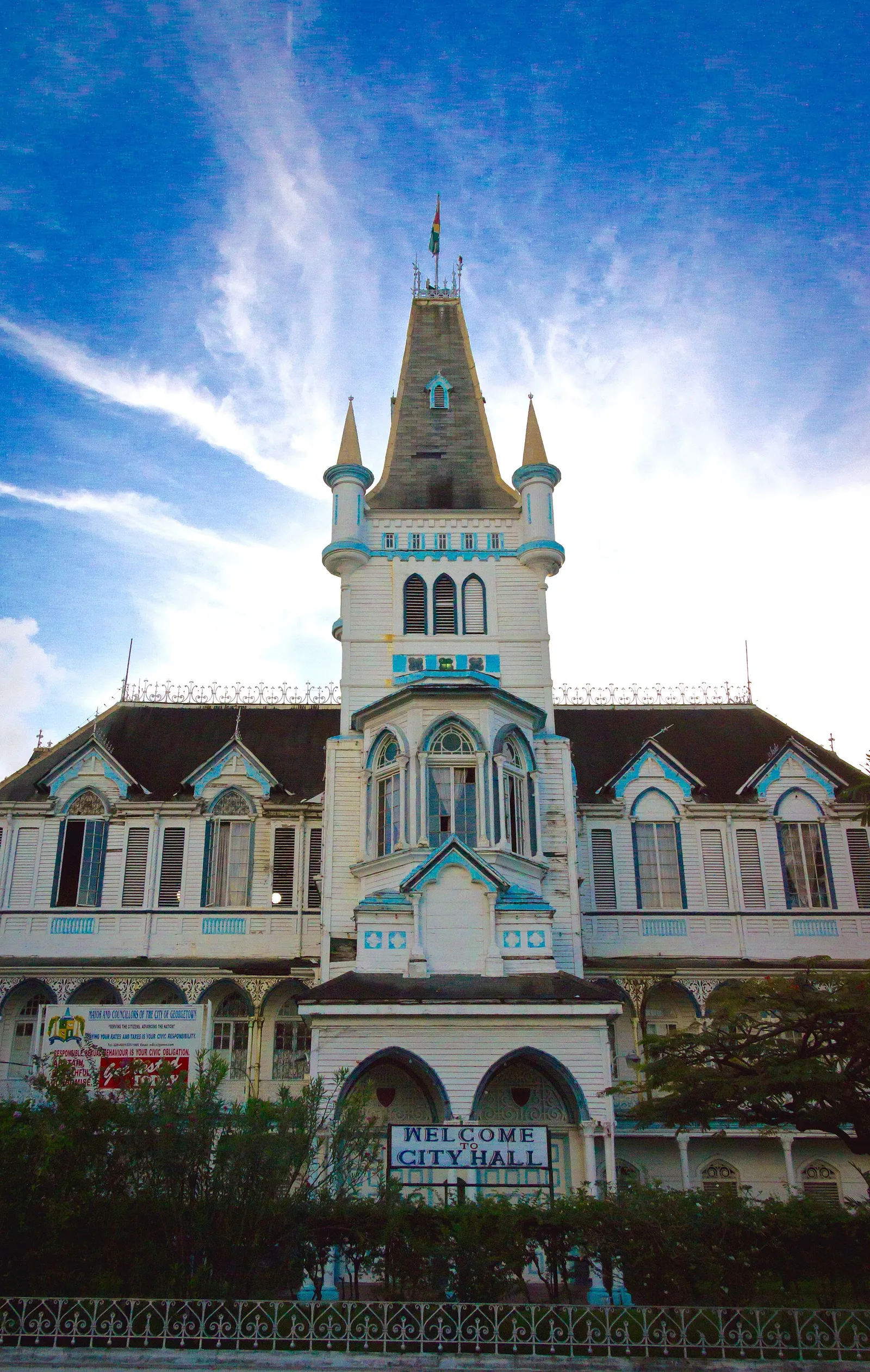
Cubans have stepped into the gap, taking jobs in construction and other manual trades for wages that would be unimaginable at home. In Georgetown, the capital, Cuban enclaves have taken root, and word of the opportunity spreads through migrant networks and social media.
Skills going to waste
The bargain is far from perfect. Migration analysts and Guyanese reporting describe a striking mismatch: many of the arriving Cubans are trained professionals — doctors, engineers, teachers — whose credentials are not recognized, and who end up mixing concrete or waiting tables. The oil industry's most lucrative jobs, meanwhile, tend to go to foreign contractors, leaving lower-skilled work for migrants from Cuba and elsewhere, as the IOM and local outlets have documented.
Life in limbo
There is also the question of status. Guyana's system allows only short visa extensions — three months at a time, renewable a limited number of times — with no clear path to permanent residency or citizenship. That leaves many Cubans in a precarious position, reluctant to complain about unpaid wages or unsafe worksites for fear of falling out of legal standing; some have already faced deportation proceedings for overstaying.
For Guyana, the newcomers help ease an acute labor shortage. For Cubans, the country offers something increasingly scarce: a place that will let them in, and work to be had. What neither has yet resolved is how to turn a scramble for jobs into something more stable — a question that will grow only more pressing as long as Cuba keeps emptying and Guyana keeps building.