An Ebola outbreak in the eastern Democratic Republic of Congo has become one of the most serious in years, spreading through a region already destabilized by war and testing a global health system that, this time, is missing one of its most important tools.
A growing emergency
The outbreak was declared in mid-May in the country's east, and the World Health Organization designated it a public health emergency of international concern on May 17, the agency announced. By late June, health authorities had recorded more than 1,300 confirmed cases and roughly 400 deaths, concentrated in the Ituri region and neighboring provinces, with a small number of cases across the border in Uganda, according to WHO's outbreak reporting. Officials caution that the figures are provisional and that the true toll — including deaths before the outbreak was formally declared — is still being investigated.
Why this one is harder
Most of Congo's major Ebola outbreaks have been caused by the Zaire strain of the virus, against which an effective vaccine and antibody treatments now exist. This outbreak is different: it is caused by the Bundibugyo strain, a rarer form for which there is no licensed vaccine and no approved specific treatment. The Zaire-strain countermeasures do not reliably work against it, leaving supportive care — fluids, treating symptoms, isolating patients early — as the main line of defense while experimental vaccines are evaluated.
Fighting an epidemic inside a war
The outbreak has struck one of the most dangerous corners of the continent. Eastern Congo has for years been convulsed by fighting among armed groups, mass displacement and hunger, and that violence is directly undermining the response. Insecurity has disrupted the contact tracing that is essential to stopping Ebola, and aid groups have warned that reaching affected communities is difficult and at times dangerous. Displacement into crowded camps only raises the risk of spread.
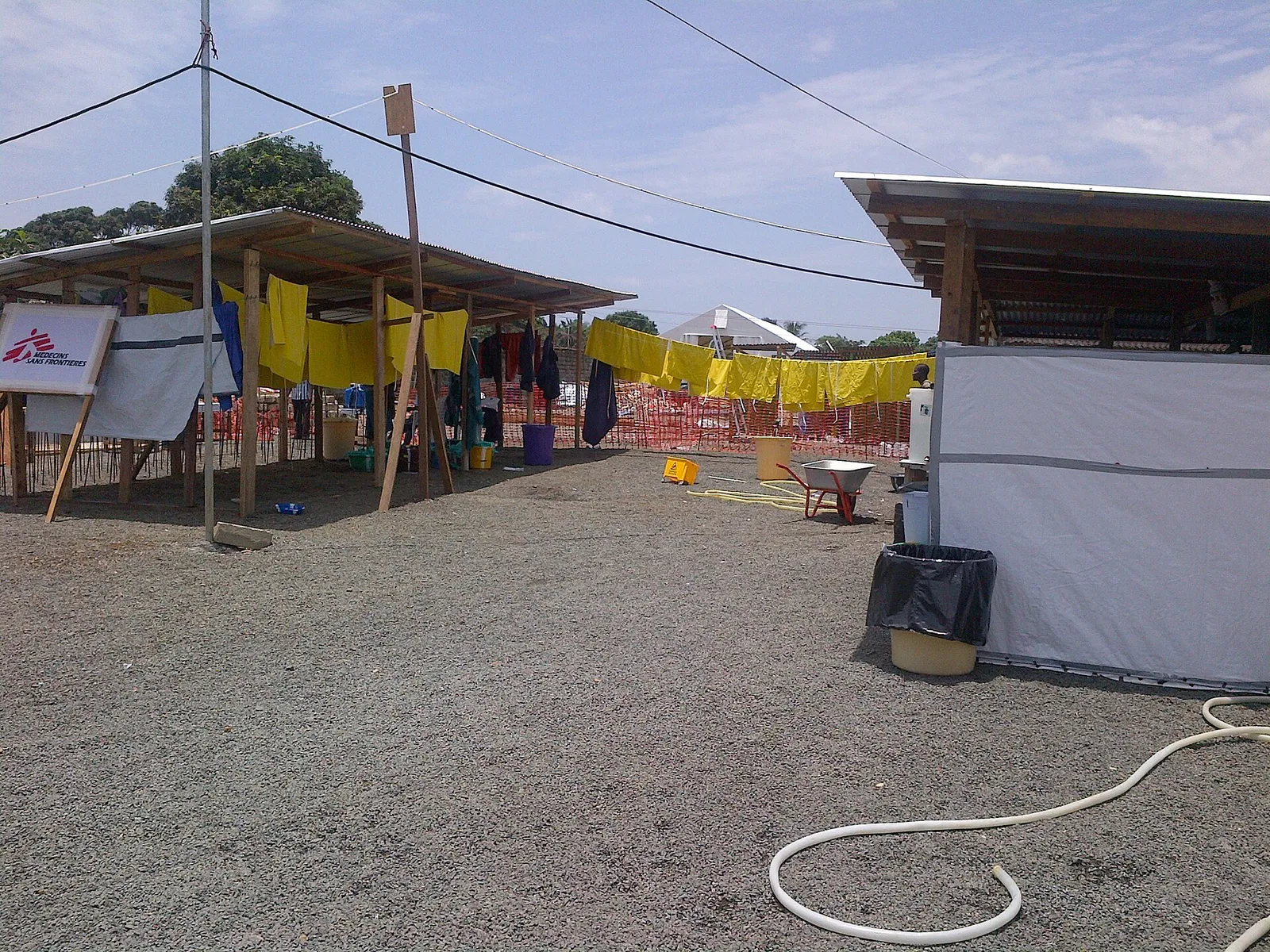
International partners have mobilized. WHO is supporting surveillance, treatment and cross-border preparedness with Uganda, medical charities are expanding treatment capacity, and several governments have pledged funding for protective equipment, testing and community outreach, according to humanitarian reporting.
A familiar fight
For Congo, Ebola is not new — the virus was first identified there in 1976, and the country has weathered repeated outbreaks, including one in 2018–2020 that killed nearly 2,300 people. That experience built real expertise in outbreak response. But it also showed how conflict and community mistrust can blunt even the best tools. This time, without a vaccine tailored to the strain in circulation, the margin for error is thinner, and the race to contain the virus before it spreads further is that much harder.