

Lithuania is moving to erase a clause its founders wrote to keep the country free of nuclear weapons — a sign of how sharply the security mood has shifted in a NATO state that borders Russia.
What is being proposed
Article 137 of Lithuania's constitution declares that there "cannot be weapons of mass destruction and military bases of foreign states" on Lithuanian territory. The country's new prime minister, Mindaugas Sinkevičius, has called for removing that ban, arguing that neighboring states carry no such restriction and that the clause is out of step with the times, LRT, Lithuania's public broadcaster, reported.
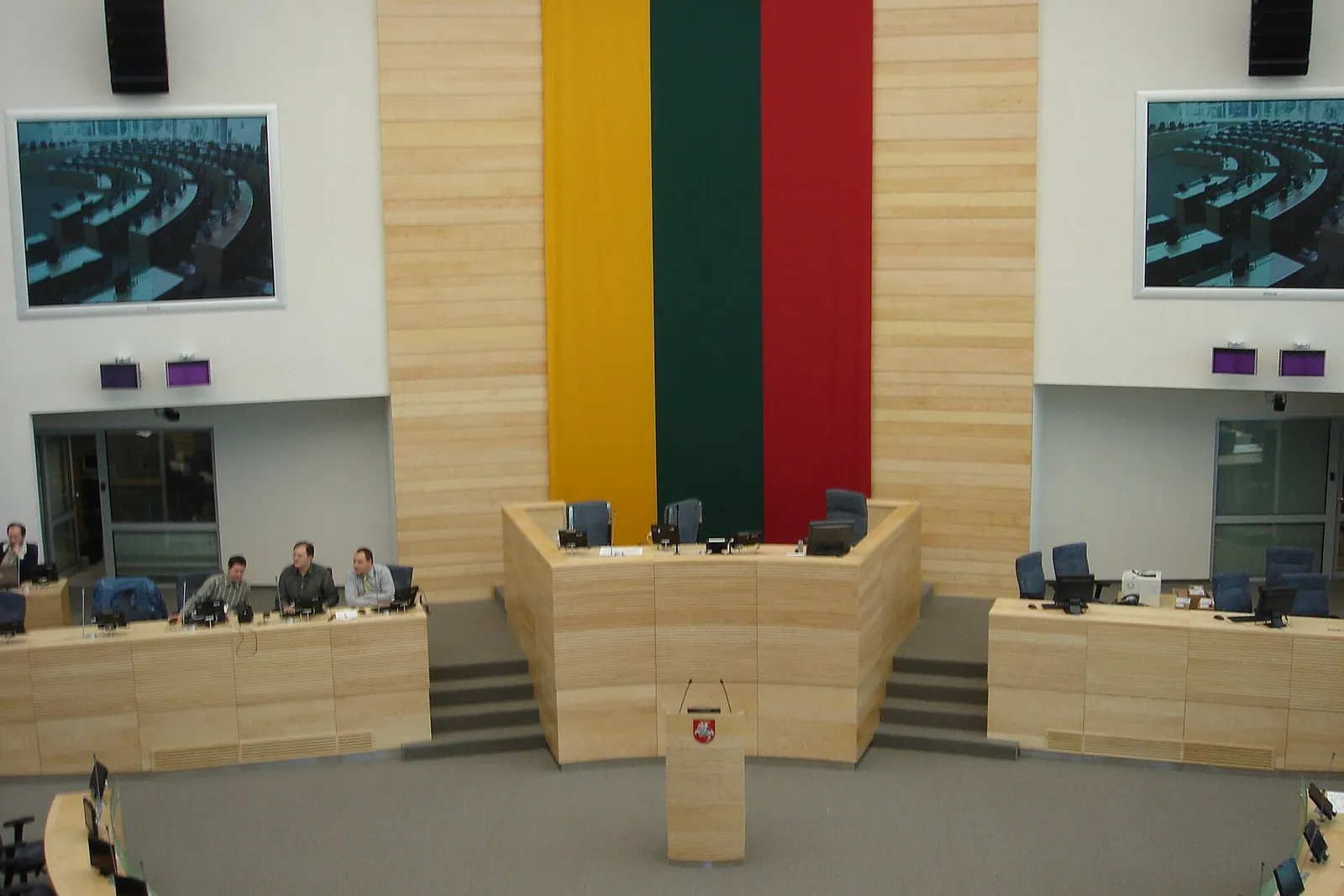
This is, so far, a political push rather than an accomplished fact. No constitutional amendment has been enacted. Under Lithuanian law, changing the constitution is deliberately hard: it requires the support of at least 94 members of the 141-seat Seimas, in two votes held at least three months apart. Whether that broad consensus exists is still an open question, and some lawmakers argue the existing ban should stand.
Why now
The driver is Russia. Lithuania sits between Russia's heavily militarized Kaliningrad exclave and Belarus, which amended its own constitution in 2022 and has since hosted Russian tactical nuclear weapons. Against that backdrop, Vilnius has been aligning itself ever more closely with NATO's deterrence posture on the alliance's eastern flank.
Lithuania and Poland have said they are exploring a larger role in NATO's nuclear arrangements, PBS NewsHour reported — early-stage discussions that could, in principle, involve hosting allied nuclear-capable aircraft or supporting infrastructure. Lithuanian officials have signaled that removing the constitutional clause would clear a legal obstacle if such plans ever became concrete, as CNBC noted.
What it does — and doesn't — mean
Crucially, the debate is not about Lithuania building its own nuclear arsenal, which it has no capacity or intention to do. It is about whether the country's basic law should permit its allies — chiefly the United States — to deploy or exercise nuclear-capable forces on Lithuanian soil as part of NATO's collective defense.
The distinction matters, and so does the caution around it. Even supporters frame the change as keeping options open rather than inviting warheads in tomorrow. Lithuania recently upheld a separate ban on nuclear-armed ships entering its ports, a reminder that removing one restriction would not automatically open the country to nuclear weapons.
The wider picture
The proposal is part of a broader European rearmament debate triggered by the war in Ukraine, with several front-line states rethinking long-held assumptions about defense. Russia has not issued a specific response to Lithuania's constitutional discussion, though Moscow has repeatedly warned against any expansion of NATO's nuclear footprint eastward.
For Lithuania, a small country that spends heavily on defense relative to its size, the coming months of debate will test how far its lawmakers are willing to go — and whether a clause written in a more hopeful era survives an anxious one.