Nearly three years after a series of blasts tore open the Nord Stream pipelines and sent gas boiling to the surface of the Baltic Sea, German prosecutors have brought the first criminal charges in the case — against a Ukrainian man they say helped lead the operation.
The charges
Germany's federal prosecutor accused the man, identified under German privacy rules only as Serhii K., of attacking civilian energy infrastructure, causing an explosion and destroying structures, Al Jazeera reported. Prosecutors described the accused, a Ukrainian in his fifties, as an on-board coordinator and team leader of the sabotage crew — not a diver or an explosives expert, but an organizer of the mission.
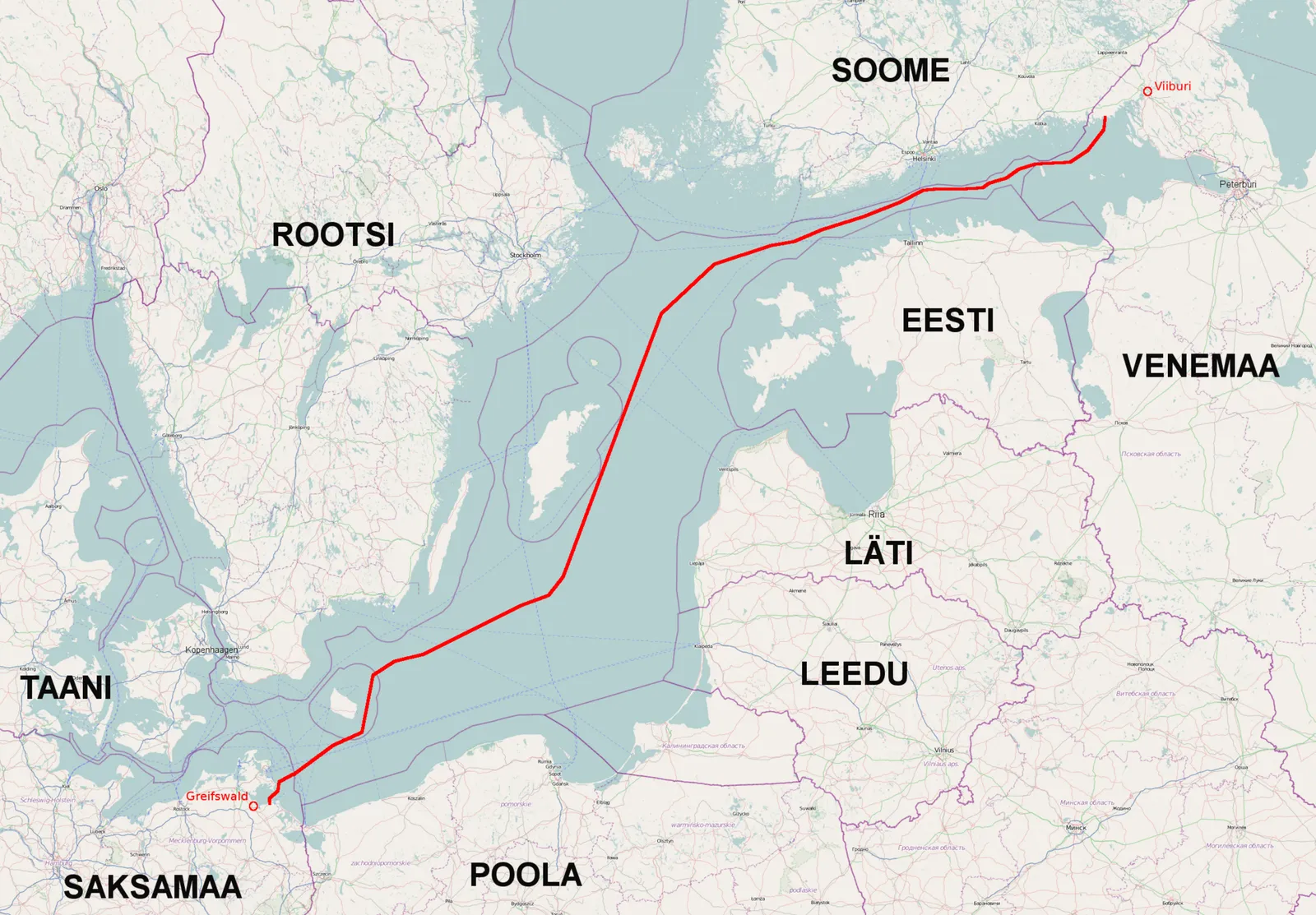
According to the prosecution, the group used forged identity documents to charter a sailing yacht, the Andromeda, which set out from the German port of Rostock and traveled to the waters near the Danish island of Bornholm, where divers are alleged to have planted explosives on the pipelines, Euronews reported.
The attack
The explosions, in late September 2022, ruptured the Nord Stream 1 and Nord Stream 2 pipelines, which had been built to carry Russian natural gas to Germany. Danish and Swedish seismologists recorded underwater detonations, and the two governments told the United Nations Security Council that the leaks had been caused by blasts involving large quantities of explosives. The attack — on infrastructure at the center of Europe's energy dependence on Russia — became one of the most closely watched unsolved cases of the war.
A suspect who denies it
The accused was arrested in Italy in 2025 and extradited to Germany, where he is being held ahead of trial, The Japan Times reported. He denies taking part in the sabotage. His defense team says he was a member of Ukraine's armed forces, stationed in Ukraine at the time, and argues that this would grant him "functional immunity" under international law as a soldier acting on a state's behalf — a claim that, if accepted, could complicate or block the prosecution. He has not been convicted of any crime.
The unanswered questions
More than the fate of one defendant is at stake. Responsibility for the Nord Stream attack has been fiercely contested since it happened: Ukraine has denied involvement, Russia has denied involvement, and earlier Danish and Swedish investigations were closed without charges. Kyiv has responded cautiously to the German case, with officials saying it was too early to comment and that they were still seeking details.
The prosecution now moves toward a German courtroom, where the evidence — and the immunity argument — will be tested in public for the first time. Whatever the verdict, the case is likely to sharpen a question that has hung over Europe since 2022: who blew up the pipelines, and on whose orders.