

Federal authorities are moving to ban a potent kratom extract that has spread through gas stations and smoke shops — even as the Trump administration's broader record on the herbal supplement has been anything but consistent.
What the DEA did
On July 1, the Drug Enforcement Administration said it would temporarily place 7-hydroxymitragynine — known as 7-OH — and several related substances into Schedule I, the government's most restrictive drug category, the agency announced. The order is set to take effect roughly 30 days after it is formally published, which would effectively outlaw the manufacture and sale of concentrated 7-OH products nationwide by early August, Pain News Network reported.
Crucially, the DEA framed the move as targeting a concentrated, often chemically enhanced product — not the natural kratom leaf. The order applies to products above a low threshold of 7-OH by weight; ordinary botanical kratom, which contains the compound only in trace amounts, is not covered. The Department of Health and Human Services and the Food and Drug Administration backed the action, describing highly concentrated 7-OH as a threat to public safety.
The health debate
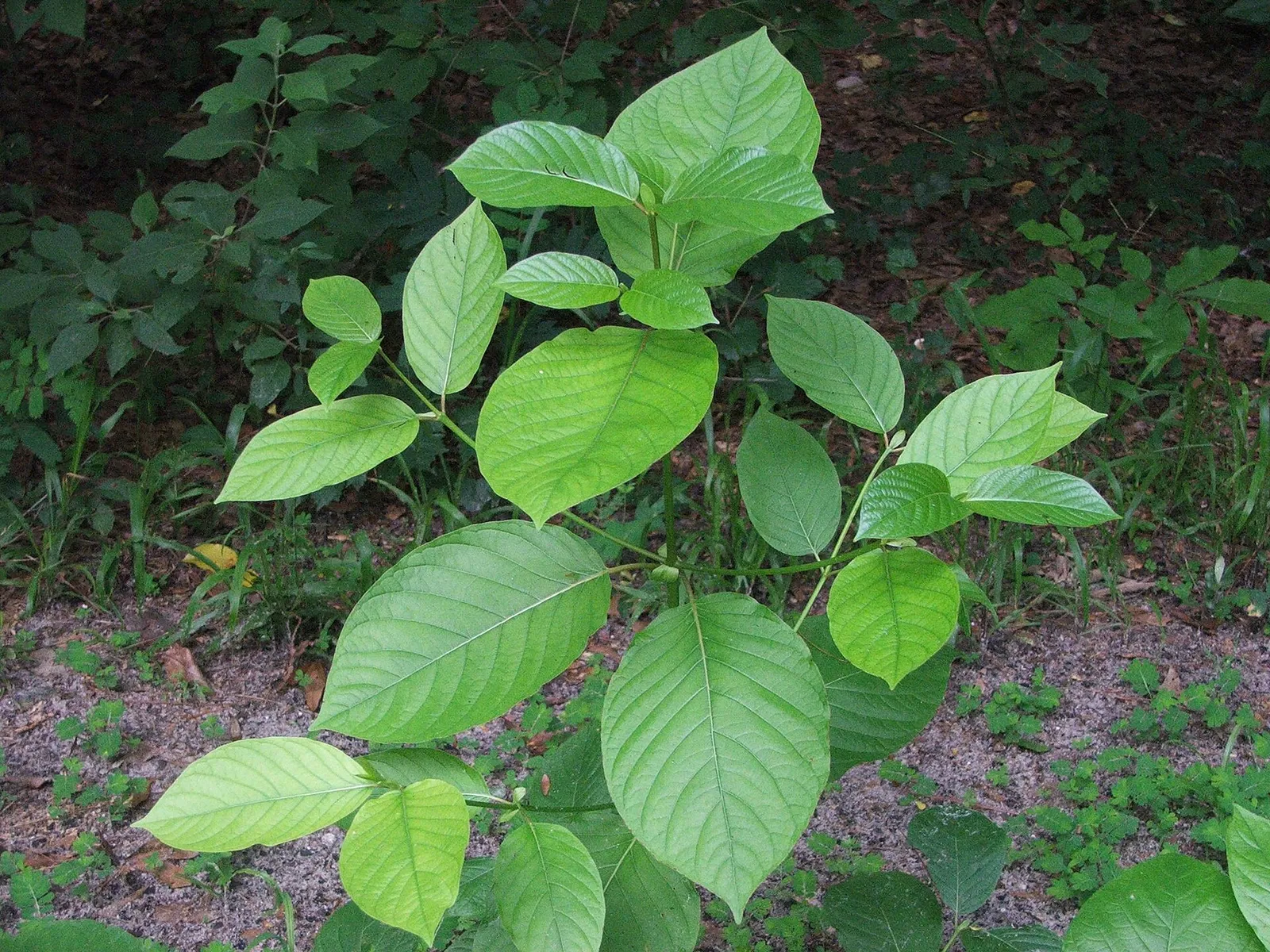
Kratom, derived from the leaves of the Southeast Asian tree Mitragyna speciosa, occupies contested ground. The FDA has warned for years that kratom is not approved for any medical use and has linked it to risks including addiction, seizures and liver injury, and the CDC has reported a sharp rise over the past decade in kratom-related calls to U.S. poison centers. 7-OH, a far more potent derivative that acts strongly on the brain's opioid receptors, has drawn particular alarm from regulators.
Advocates and many users see it differently. The American Kratom Association and others argue that natural kratom leaf is being unfairly lumped in with concentrated extracts, and that many people rely on it to manage chronic pain or to ease opioid withdrawal. Federal science is not entirely one-sided: the National Institutes of Health has approved research into whether mitragynine, kratom's main active compound, could help treat opioid use disorder.
A contradictory record
What has drawn scrutiny is how the crackdown sits alongside other administration moves. In May, President Trump said the government was "looking very seriously" at approving a form of natural 7-OH, STAT News reported — a striking signal given the DEA's parallel push to ban concentrated versions. And late last year, the Justice Department abruptly dropped a lawsuit it had brought against Botanic Tonics, a leading kratom company, saying continued litigation was no longer a prudent use of resources.
The New York Times reported that kratom industry figures cultivated ties with senior officials, noting that Homeland Security Secretary Markwayne Mullin disclosed an investment worth as much as $1 million in Botanic Tonics, and that the company later donated to a political committee associated with Health Secretary Robert F. Kennedy Jr. — an account the Times framed as a lucrative win for the industry. The officials have not been accused of any crime, and the reporting does not establish that the disclosed financial interests shaped the government's decisions.
What comes next
The DEA's temporary scheduling is not the final word. It opens a comment period, and permanent classification typically takes far longer. In the meantime, states have gone their own way — many have enacted their own kratom rules — leaving a patchwork of regulation while Washington works out a national approach to a plant it has struggled for years to classify.