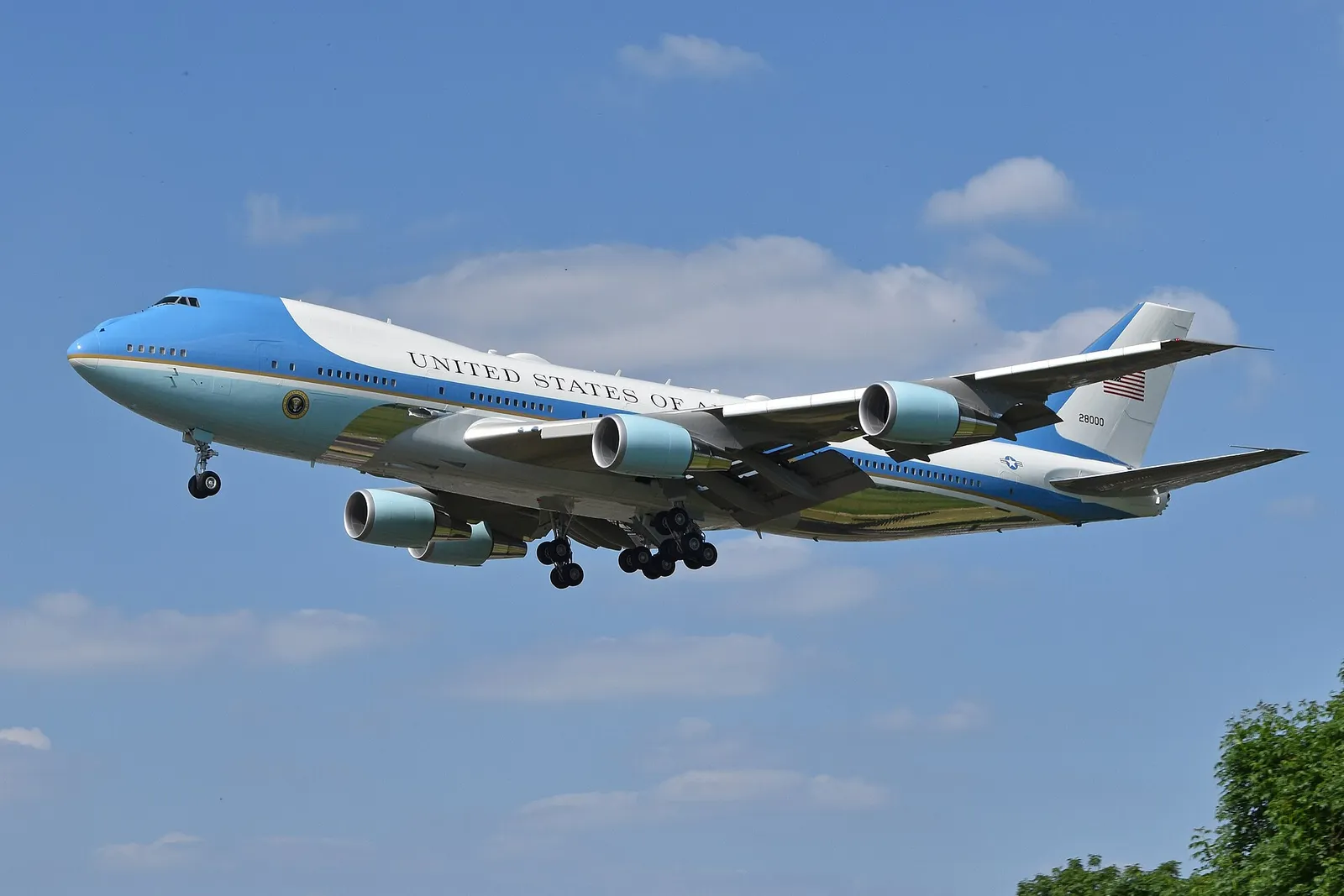
President Trump this week flew for the first time on a new-to-the-fleet Air Force One — a Boeing 747-8 that the government of Qatar gave the United States in 2025 — on an official trip to North Dakota, CNBC reported. The flight put into service one of the more unusual and contested presidential aircraft in memory.
A stopgap while Boeing runs late
The jet is not one of the two purpose-built VC-25B aircraft Boeing has been constructing to replace the aging pair of presidential 747s that have flown since the early 1990s. That program has slipped badly: the Air Force now expects the first delivery around mid-2028, years behind the original schedule, amid supplier problems and technical hurdles, Breaking Defense reported. The Qatari aircraft, converted over roughly the past year, is meant to bridge the gap until then.
The administration's argument is cost. Trump has asked why taxpayers should pay hundreds of millions more when a suitable jet was available at no purchase price, framing the gift as a windfall. Officials have said safety and security were the priority in preparing the plane.
The ethics question
Critics see a constitutional problem. The Emoluments Clause generally bars federal officials from accepting gifts from foreign states without congressional consent, and the arrangement drew objections from ethics lawyers across administrations. Richard Painter, a White House ethics counsel under President George W. Bush, called it "inappropriate" and warned of the precedent of a foreign government bestowing a lavish gift on a president, PBS NewsHour reported. Others have questioned what happens to the plane after Trump leaves office. The White House has said the acquisition followed legal guidance and federal procedures.
The security question
The second concern is whether a jet converted on a tight timeline can match the protections built into the current Air Force One. Those aircraft are hardened and equipped with defensive systems whose details are classified. Accepting any foreign-supplied aircraft also raises counterintelligence worries: specialists must sweep it thoroughly for hidden surveillance devices, a painstaking process. Some former officials told PBS and other outlets they doubted the full suite of presidential-grade defenses and vetting could be completed quickly, and cautioned about the risk of flying a president on such a plane. The Air Force has said security was at the forefront of the work, and specific defensive capabilities on the aircraft have not been disclosed.
What's settled, and what isn't
What is clear is the plan: the converted Qatari jet is to serve on an interim basis until Boeing delivers the new fleet later this decade. What remains contested — and, given the classified nature of the aircraft's systems, largely outside public view — is whether the speed and the source of this Air Force One traded away more than the administration acknowledges. For now, the president is flying on it, and the debate is flying right alongside.