

Tungsten rarely makes headlines, but it is one of the metals modern militaries and manufacturers cannot do without. Harder than steel and with the highest melting point of any metal, it goes into armor-piercing munitions, cutting tools, aircraft parts and electronics. And its supply has become a strategic worry for the United States, which has leaned almost entirely on imports.
Why the concern
China accounts for the large majority of the world's tungsten — by industry estimates on the order of 80 percent of mined supply — and the United States has not run a commercial tungsten mine since 2015, CBS News reported. That dependence drew fresh attention after Beijing began restricting tungsten exports, citing national-security grounds; industry trackers say the curbs tightened further heading into 2026, limiting the number of firms allowed to ship the metal and pushing prices sharply higher, according to trade coverage.
The Sangdong mine
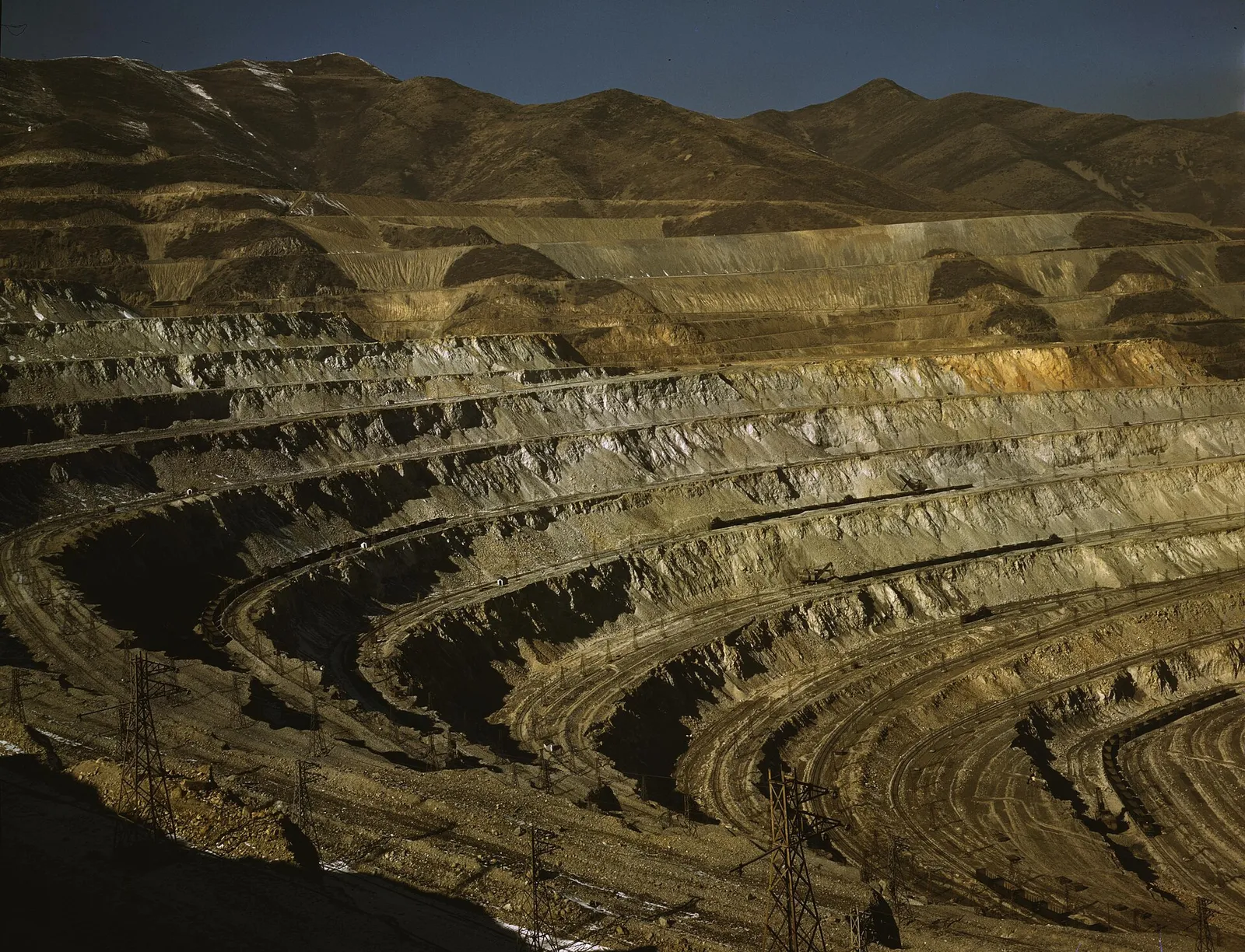
The mine at the center of the U.S. effort is Sangdong, in Gangwon Province, about 115 miles southeast of Seoul — a large, high-grade deposit that was mothballed in the 1990s when cheap Chinese supply made it uneconomical. Its owner, the Canada-based miner Almonty Industries, spent years rehabilitating the site and brought the first phase back into production in 2026 after more than 30 years idle, Mining.com reported. A planned second phase would roughly double output later in the decade.
Almonty's chief executive, Lewis Black, has framed the metal in stark terms. "It's vital. It's further than critical, it's vital," he told CBS News, which reported that he has met with U.S. officials about American supply needs. The company says the mine is meant in part to serve U.S. defense buyers.
The Washington angle
The urgency is tied to a Pentagon rule, set to take effect in 2027, that restricts the use of tungsten from China, Russia, Iran and North Korea in military applications — a requirement that pushes defense contractors toward alternative sources. Beyond Sangdong, U.S. financing arms have backed a separate tungsten project in Kazakhstan, part of a broader campaign to spread critical-mineral supply across friendly countries.
A long road
Even supporters caution the shift will be neither quick nor painless. Rebuilding supply chains that China has dominated for decades is expected to take years, and industry figures point to shortages of skilled miners as new projects ramp up. Sangdong's early output is modest against global demand, and the metal's price swings can quickly change the economics that shuttered the mine once before. For now, though, the reopening marks a concrete step in a wider American effort to treat access to raw materials as a matter of national security.