
The U.S. dollar spent the first part of 2026 sliding. Now it has turned, and Wall Street is arguing about whether the rebound is the start of something bigger.
The bullish case
After what CNBC described as its worst start to a year in eight years, the dollar rallied through the late spring, on track for one of its best months in about a year. Bank of America strategists argue the currency is set to "break higher," CNBC reported, pointing to a technical breakout above a long trading range and forecasting further gains in the dollar index in the second half of the year.
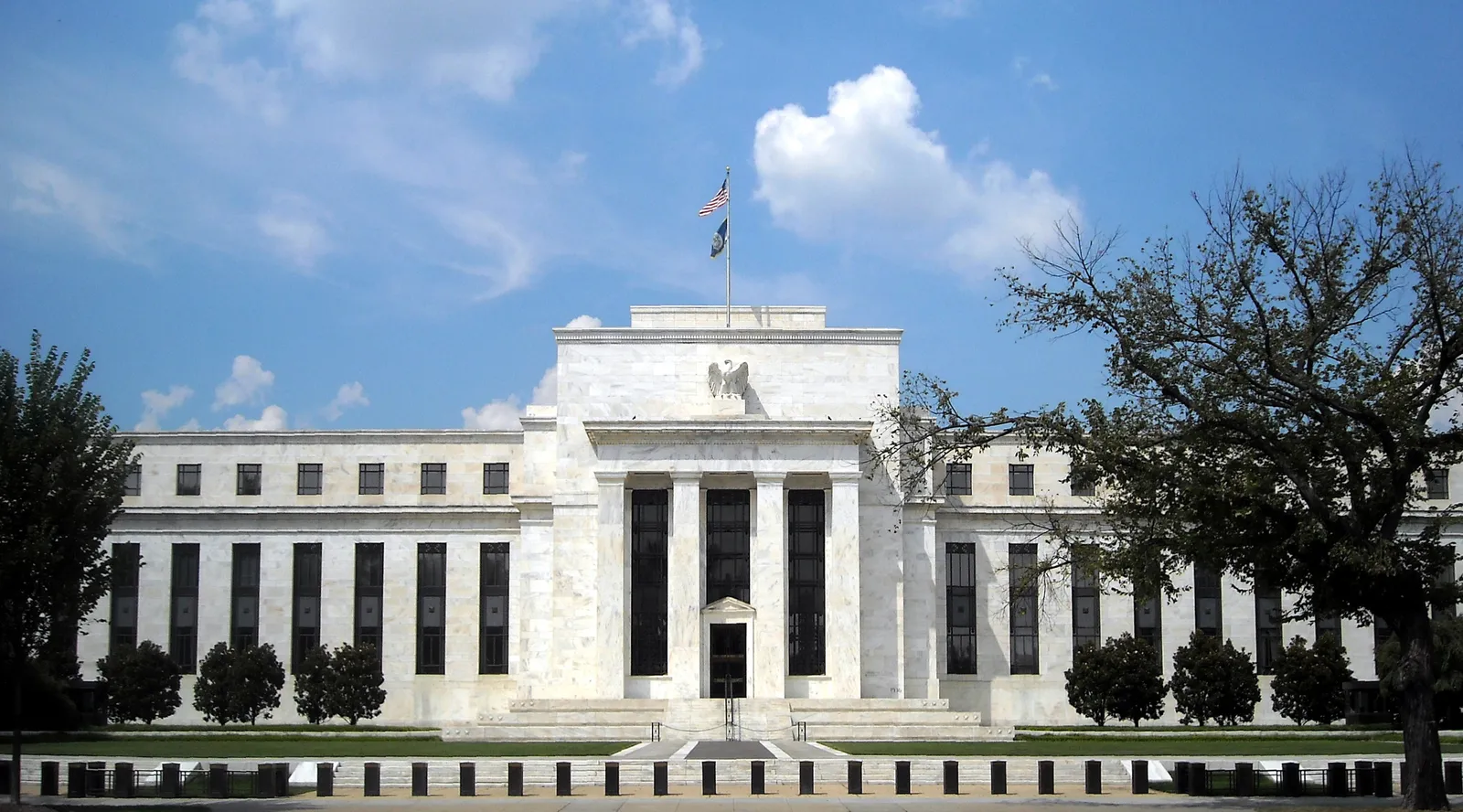
The fundamental argument rests on interest rates. Expectations that the Federal Reserve — now chaired by Kevin Warsh, who has said inflation remains "too high" — could raise rates later this year have widened the yield advantage of U.S. bonds over European and Japanese ones, an incentive for global investors to hold dollars. Safe-haven demand tied to Middle East tensions has added support, and market positioning in favor of the dollar has reached its most bullish in years, according to the reporting.
The bearish case
Not everyone is convinced. HSBC has cautioned that a truly "explosive" dollar rally would require the Fed to tighten more aggressively than markets currently expect, Bloomberg reported — a bet that could sour if the Fed instead signals caution. Other strategists argue the dollar already looks expensive relative to fundamentals and that crowded bullish positioning is itself a risk, since a shift in sentiment can unwind quickly. Longer-running concerns about U.S. deficits and the Fed's independence, the bears add, could reassert downward pressure over time.
Why it's a guess, not a guarantee
Currency calls are notoriously unreliable, and this one is unusually contested. The bullish thesis leans on technicals, rate differentials and Fed expectations; the bearish one on valuation, stretched positioning and structural worries. A cooler inflation reading, a dovish turn from the Fed, or an easing of geopolitical tension could each knock the rally off course. For readers, the useful takeaway isn't a prediction but the split itself: even the biggest banks disagree on where the world's reserve currency goes next, and the figures cited here are their forecasts, not settled outcomes.