South Africa saw a day of nationwide unrest as anti-immigration activists staged marches to enforce an unofficial deadline for undocumented migrants to leave the country. Police said they made more than 900 arrests.
What happened
Demonstrations were organized by a coalition of civil-society groups, among them Operation Dudula, a movement that campaigns against illegal immigration, Al Jazeera reported. Activists had circulated an unofficial June 30 deadline — spread on social media and in leaflets made to look like government notices — telling foreign nationals to go; authorities dismissed the documents as fake.
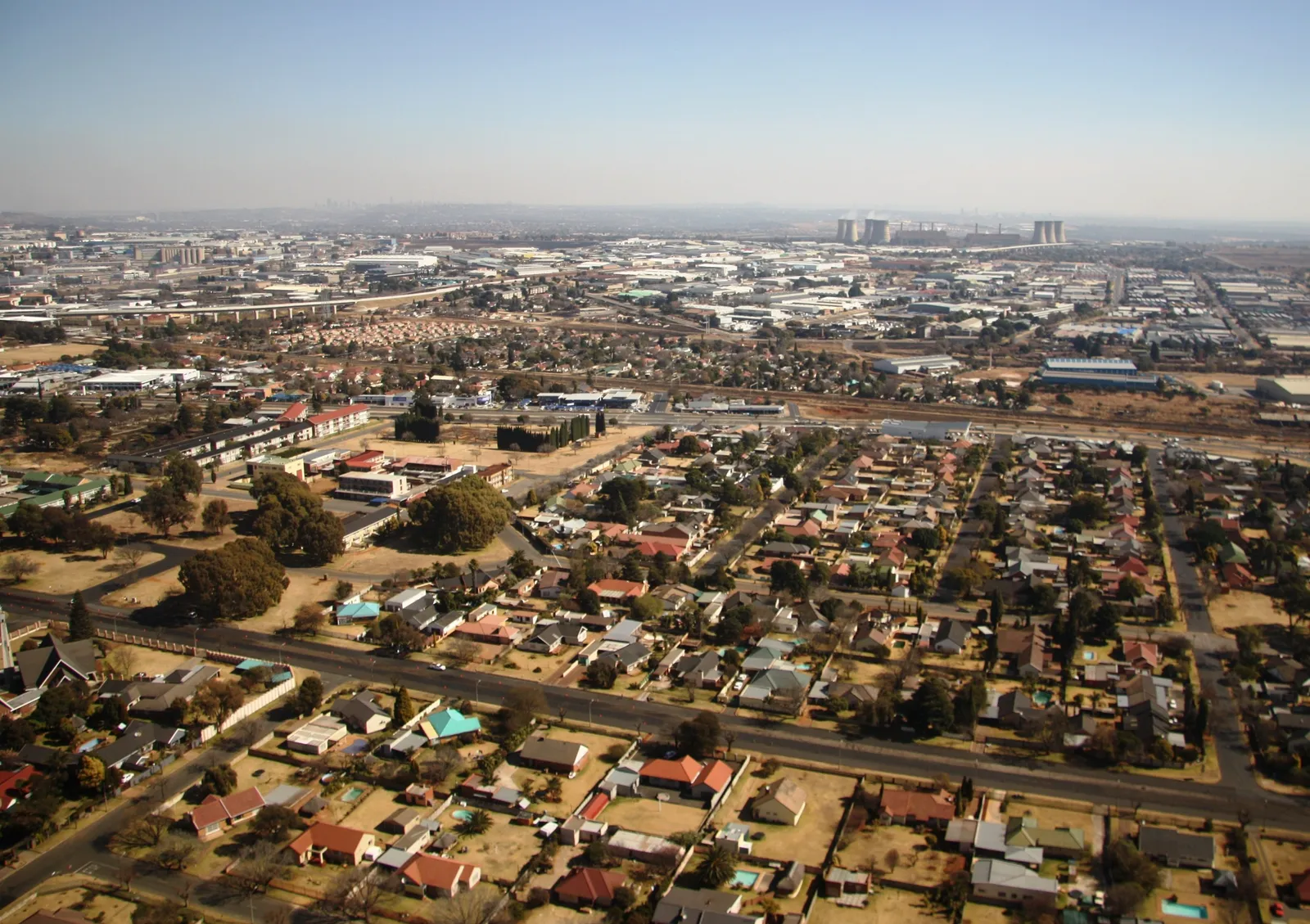
A senior police official said that of about 120 marches, most passed off peacefully, while roughly a dozen required intervention, according to The Irish Times. The arrests, spread across several provinces, included undocumented migrants detained for immigration offenses and South African citizens charged with public violence and robbery. Al Jazeera reported that one person was shot dead during looting in the Alexandra township near Johannesburg, and that others were injured, including a teenager, in a separate shooting.
Grievances, and the government's response
Protesters say illegal immigration strains public services, jobs and border control — grievances President Cyril Ramaphosa acknowledged even as he condemned the tactics. Ramaphosa said South Africans had raised "deep concerns about illegal immigration, border management, pressure on public services," but warned that "taking the law into one's own hands is vigilantism and has no place in our constitutional democracy," per Al Jazeera. The government said it deployed extra police, dismissed the activist deadline as fraudulent, and would help migrants who choose to leave voluntarily while ruling out refugee camps.
Migrants and rights groups
For migrants, the day capped weeks of fear. Ahead of the deadline, some sought shelter at consulates and places of worship, and rights advocates warned of the danger of vigilante violence. Amnesty International's South Africa office has argued that migrants are being scapegoated for the country's high unemployment and strained services rather than being the cause of them. South Africa has seen recurring waves of xenophobic violence over the years, a history that has made each new flashpoint a source of alarm for foreign nationals living there.
Why it matters
The unrest underscores how migration has become one of South Africa's most volatile fault lines, pitting real economic anxieties against the rights and safety of millions of foreign residents. With the activist movement vowing to keep up pressure and the government seeking to balance public order against the risk of vigilantism, the standoff appears far from over. The figures and specific incidents cited here are drawn from official statements and news reporting on a fast-moving situation, and some details may be updated as authorities complete their accounting.