


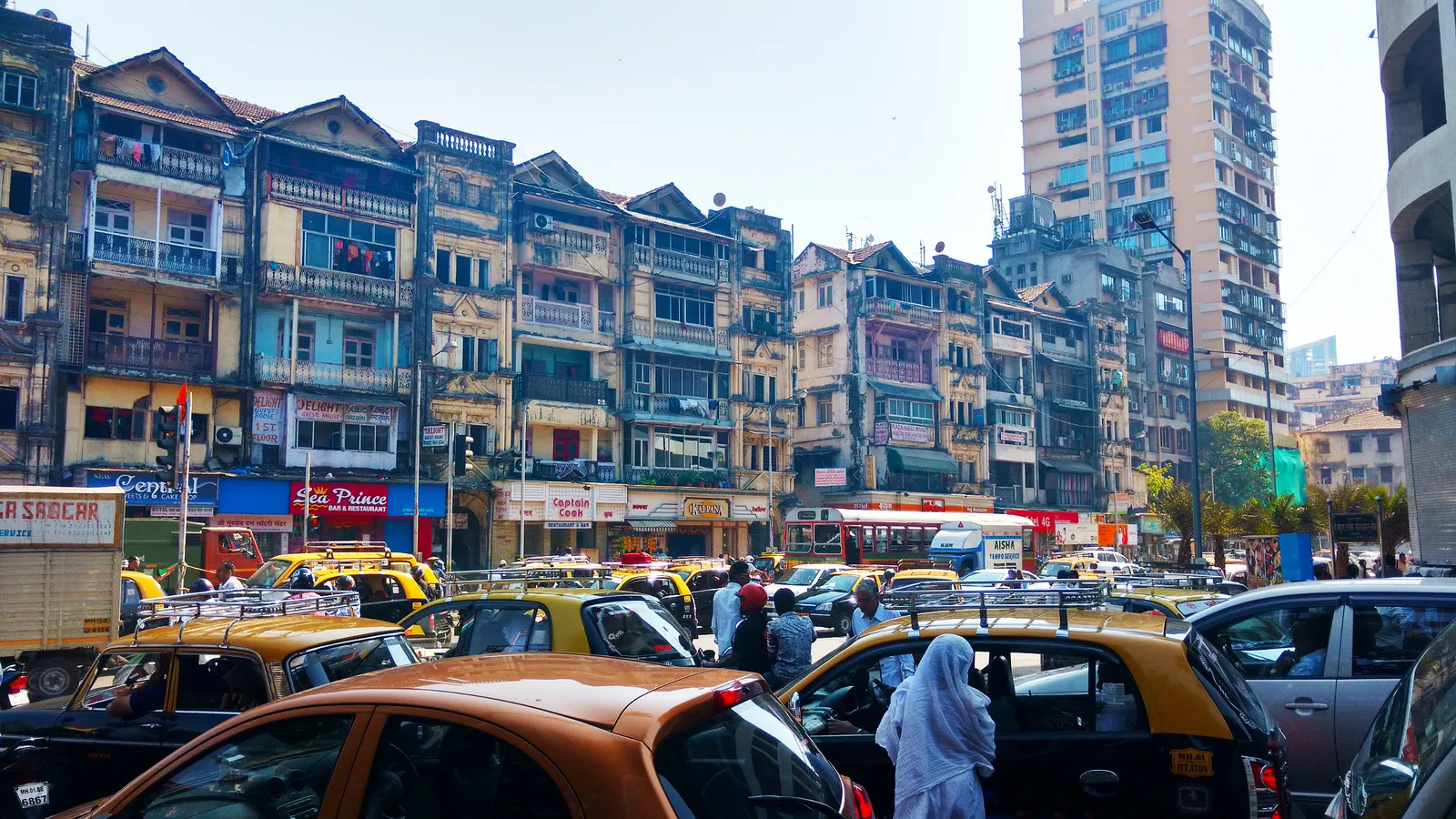
In India's biggest cities, a bag of groceries or a phone charger can now arrive at the door in about the time it takes to make tea. That promise — "quick commerce," or delivery in roughly 10 to 20 minutes — has become the hottest front in Indian online retail, and the country's two e-commerce giants are scrambling not to be left behind.
Startups got there first
The pace was set by a cluster of fast-moving startups. Zomato-owned Blinkit, along with Zepto and Swiggy's Instamart, built networks of "dark stores" — small neighborhood warehouses stocked for rapid dispatch — and turned instant delivery from a novelty into a habit for urban shoppers. Blinkit leads the segment, and by some measures its business has grown large enough to rival its parent's original food-delivery operation. The growth has come at a cost: the sector runs on steep losses as rivals subsidize delivery and discounts to win customers, and market-research firms project the segment will keep expanding rapidly for years, according to industry estimates (figures that, as with any forecast, should be treated as estimates).
The giants respond
Amazon and Flipkart, which have long dominated conventional Indian e-commerce, are now building instant-delivery arms of their own. Flipkart's "Minutes" service has expanded to more than 1,000 micro-fulfillment centers across scores of cities and aims to reach about 1,500 by the end of 2026, TechCrunch reported, with orders growing sharply, including in smaller towns. Amazon's "Now" service is scaling from a few hundred fulfillment hubs toward a goal of more than 1,000 across 100 cities; Amazon has said orders are climbing quickly month over month and that shoppers who adopt fast delivery buy more often.
Their advantages are money and reach. Both companies are discounting aggressively, and both can lean on distribution networks that stretch into smaller cities — so-called tier-2 and tier-3 markets — where the startups are thinner. That geographic edge, TechCrunch noted, is squeezing the independents on their own turf.
Why it matters
The stakes are bigger than groceries. If instant delivery becomes the default way Indians shop online — as usage trends suggest it might — then dominance in traditional e-commerce won't guarantee dominance tomorrow. That is why analysts frame the push as defensive as much as opportunistic: Amazon and Flipkart are spending to stay relevant in whatever India's retail future looks like.
For now, the market is crowded and unprofitable, with the Tata group's BigBasket and Reliance's JioMart also in the mix. The likely next phase, industry watchers say, is consolidation — a shakeout in which the deepest pockets endure. What is already clear is that the contest has moved from a startup experiment to a heavyweight fight, and that Indian consumers, for the moment, are the beneficiaries of the speed and the discounts.