


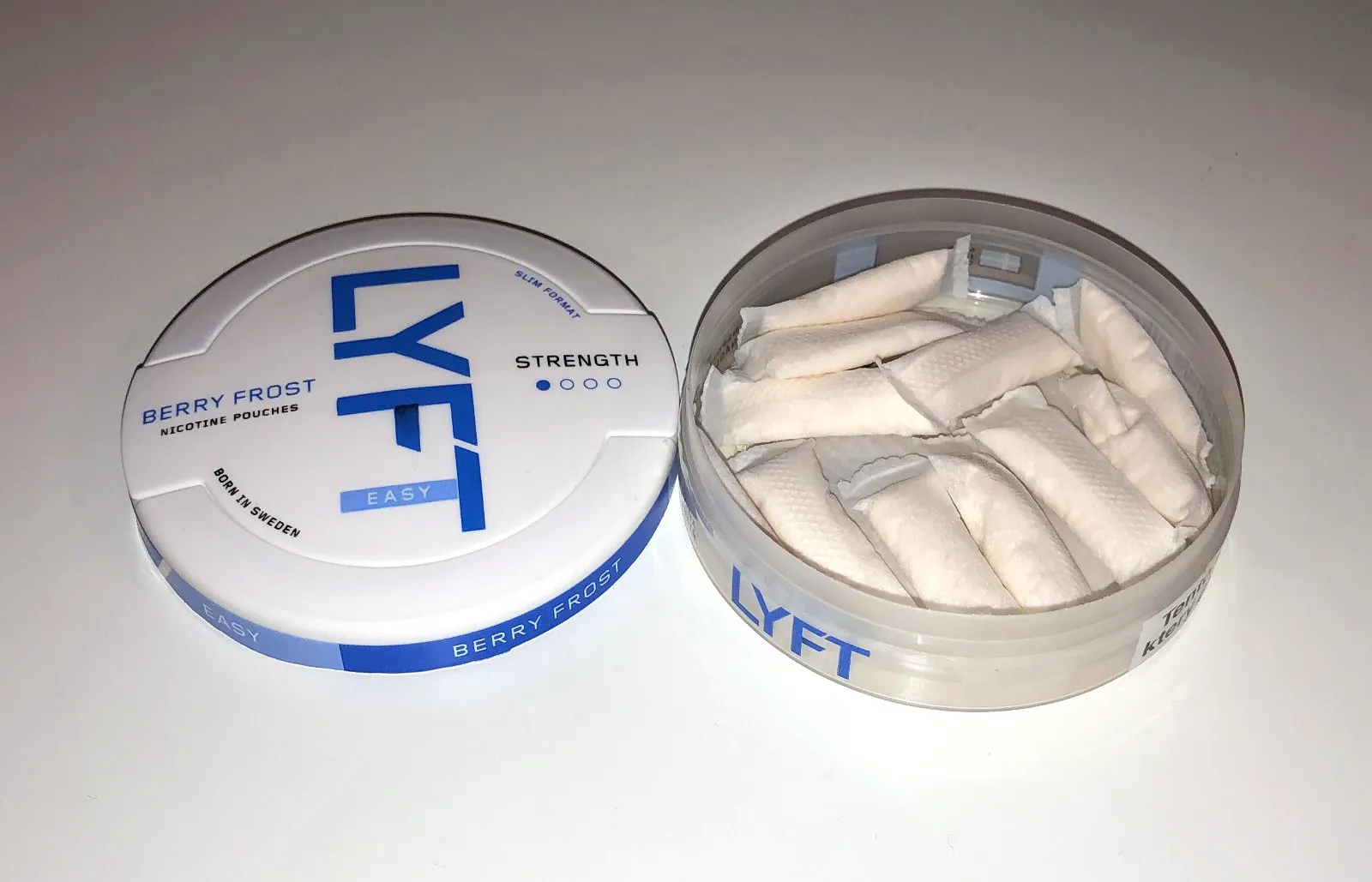
Federal regulators have taken a notable step in tobacco policy, allowing the nicotine pouch Zyn to be sold with an explicit claim that it is less harmful than smoking — while stressing that "less harmful" is not the same as safe.
What the FDA did
The FDA issued what it calls "modified risk tobacco product" orders for a set of Zyn pouches, the agency announced, permitting the maker to tell consumers that switching from cigarettes to Zyn lowers the risk of illnesses including mouth cancer, heart disease, lung cancer, stroke, emphysema and chronic bronchitis. It is the first time a nicotine pouch has received such authorization, the National Law Review noted — a distinct and higher bar than the marketing authorization the products had already received.
To grant the order, the FDA said it reviewed the products' chemistry, clinical data, and how consumers understand the claim, and concluded that permitting it would benefit public health overall by helping adult smokers move away from cigarettes. The authorization runs for a fixed term and can be revoked if, among other things, youth use rises significantly.
The caveats regulators emphasized
The FDA was pointed about the limits of its decision. The order does not mean Zyn is safe, that it is approved as a stop-smoking aid, or that people who don't already use tobacco should start. Nicotine remains addictive, and the agency reiterated that young people should not use tobacco products of any kind. "Lower risk," in other words, is a comparison with cigarettes — among the deadliest consumer products ever sold — not a clean bill of health.
The manufacturer, and the critics
Zyn is made by Swedish Match, a subsidiary of Philip Morris International, which has cast the pouches as a harm-reduction option for adult smokers.
Public-health groups were more wary. Anti-tobacco organizations including the Truth Initiative said that while reduced-harm options for adult smokers can have value, regulators and industry must ensure the products are sold only to adults and marketed responsibly, warning against repeating the youth-vaping surge. Advocates note that Zyn is popular among young people who use nicotine pouches and that flavored products are especially appealing to youth; some research has found that young users often combine pouches with e-cigarettes and cigarettes rather than using them to quit — complicating the "switching" rationale behind the decision.
Why it matters
Nicotine pouches have been one of the fastest-growing corners of the tobacco market, and a government-sanctioned reduced-risk claim is a milestone that could shape how they are advertised and perceived. It crystallizes a genuine policy tension: whether officially blessing a lower-risk alternative helps adults quit cigarettes, or whether it normalizes a new nicotine habit — especially among the young. The FDA is betting the net effect will be positive; its critics are watching the youth numbers to see whether that bet holds.