

The fires are out. The fight over who pays to rebuild is not.
Two big fires, a historic denial
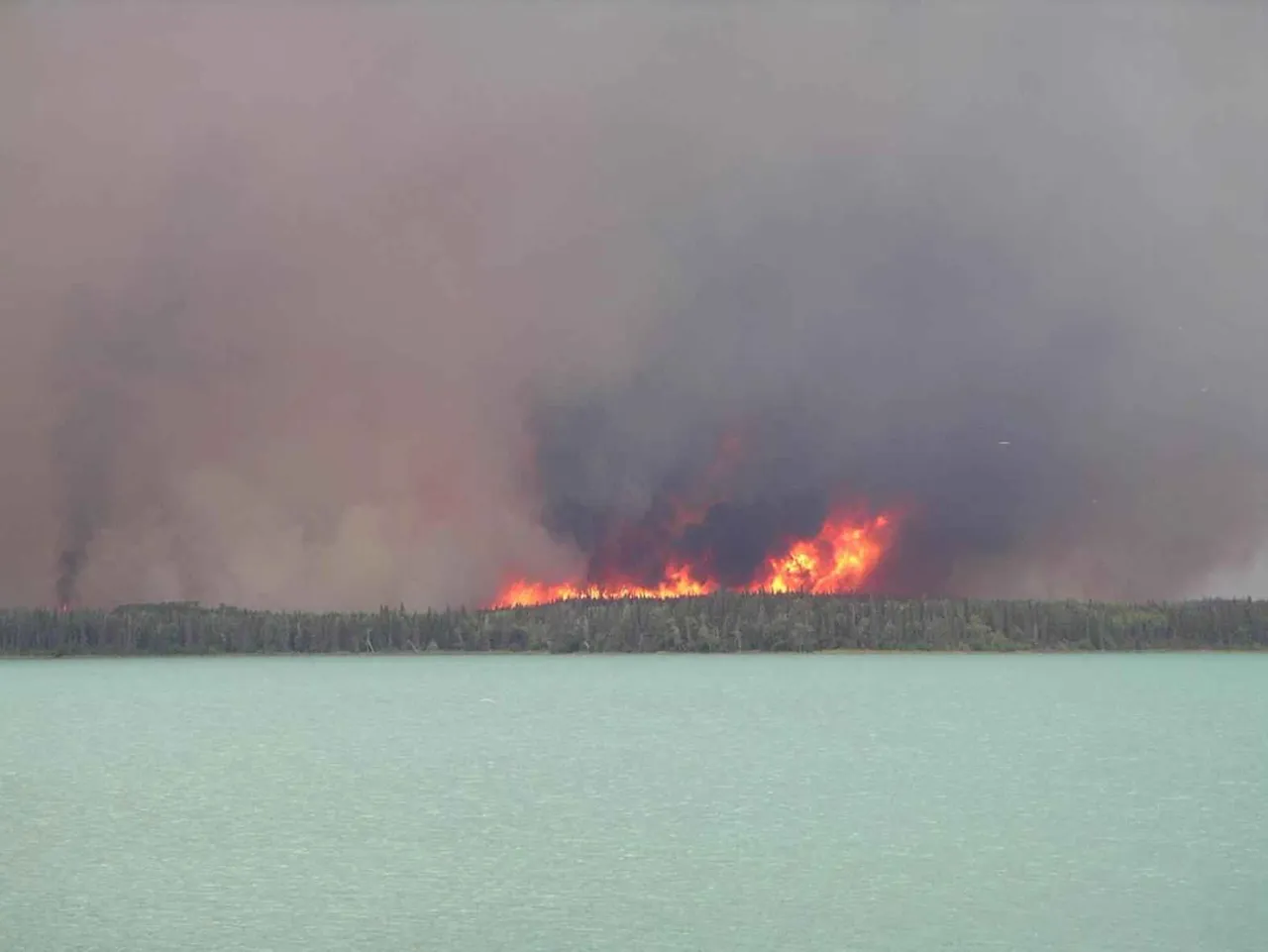
In August 2025, the Lee and Elk fires burned through Rio Blanco County, a ranching and gas-producing stretch of Colorado's Western Slope, together scorching roughly 138,000 acres — the Lee Fire ranking as the fifth-largest in state history, the Colorado Sun reported. At least five homes were destroyed, and nearly 14 miles of high-voltage transmission lines serving the Piceance Basin's oil and gas fields were knocked out, forcing the local electric cooperative to tap a $25 million emergency credit line.
Colorado asked for a major federal disaster declaration, which would have unlocked FEMA aid to help local governments and utilities rebuild. The Trump administration denied the request in December 2025 and, after the state appealed, denied it again on April 10, 2026 — the first time in 35 years the federal government has turned down Colorado's disaster declarations, according to Gov. Jared Polis's administration. A FEMA letter said assistance was "not warranted"; under federal law, the president has sole discretion over such declarations. Verified damages topped $27 million, the Aspen Times reported.
"Coloradans should not be left to shoulder these costs alone," Polis said.
A fight over whether aid is political
The denials have fueled a charge that disaster relief — long treated as above partisanship — is being steered by it. Colorado's entire congressional delegation, including Republicans Jeff Hurd, Jeff Crank, Gabe Evans and Lauren Boebert, had urged approval; the bipartisan appeal did not move the White House. Democratic Sens. Michael Bennet and John Hickenlooper called the decision "callous" and accused the administration of "putting politics over Americans in crisis."
Democratic lawmakers point to an analysis, first reported by Politico and cited by Colorado Newsline, that the administration has approved roughly 23 percent of disaster requests from states with Democratic governors versus about 89 percent from Republican-led states. The Herald could not independently verify that analysis, and the White House has not publicly responded to it; the administration has defended the denials as consistent with FEMA's criteria. Bennet and Hickenlooper, with Reps. Joe Neguse and Brittany Pettersen, have introduced a bill that would require the president to give Congress a written rationale within 24 hours of rejecting a FEMA-recommended request and let Congress override a denial.
The California echo
The dispute is familiar in California. Survivors of the January 2025 Los Angeles-area wildfires have described their own struggle over federal aid, with some telling NPR in February they believed they were being denied assistance for political reasons amid friction between the White House and Gov. Gavin Newsom's administration. A Washington Post analysis this spring found FEMA had distributed hundreds of millions in hazard-mitigation grants to Florida, Texas and Louisiana while California received a small fraction and Colorado received nothing.
Communities waiting
For Rio Blanco County, recovery is measured in years: experts estimate the burned landscape will need one to five years to heal, and a local foundation's relief fund has raised only a small share of documented losses. Notably, the county did not separately seek FEMA Individual Assistance for displaced homeowners; the denied declarations concerned Public Assistance for infrastructure. Colorado says it has spent $57.5 million of its own money on wildfire and disaster response since mid-2024 — a bill that, absent a reversal in Washington, it may be left to carry alone, even as forecasters warn of an elevated 2026 fire season.