
A mansion in one of Singapore's most exclusive neighborhoods has been seized by the authorities, the latest turn in an investigation that ties the city-state's luxury property market to the global fight over who gets access to the world's most advanced computer chips.
The seizure
Singapore police seized a Good Class Bungalow valued at about 55 million Singapore dollars (roughly $42 million), along with about 1 million Singapore dollars in bank funds, the South China Morning Post reported. The action is part of a fraud and money-laundering probe that authorities have linked to "the movement of Nvidia chips in contravention of U.S. export controls," according to the Taipei Times and Nikkei Asia.
The allegations
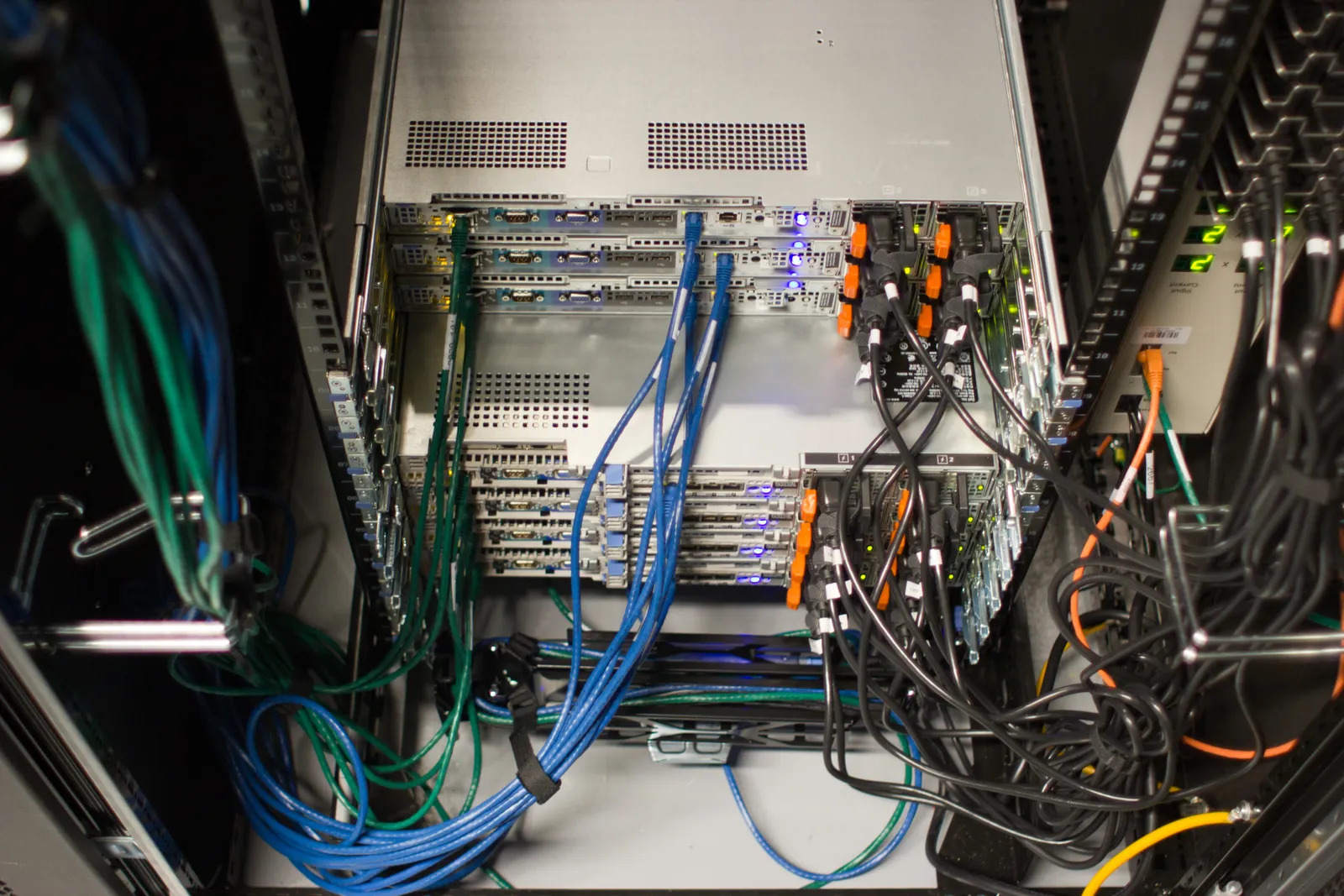
Prosecutors have charged four people connected to a company called Aperia Group, including its former chief executive and its head of sales, who were first charged in 2025, and its finance chief, charged this year. Authorities allege that, over roughly 15 months, the group misled major suppliers — including Dell, Super Micro and Asus — about who the true end-users were of servers containing high-end Nvidia processors, then routed the hardware from Singapore to Malaysia, with China reported to be the suspected ultimate destination. The defendants have not entered pleas reported publicly, and under the law they are presumed innocent unless proven guilty; neither the company nor Nvidia has commented publicly, according to the reporting.
Why Nvidia chips are restricted
The case sits inside a larger contest. Since 2022, the United States has restricted exports of the most powerful AI chips — such as Nvidia's H100 and A100 — to China, aiming to slow Beijing's military and AI development. Washington has made clear that the curbs also reach Chinese firms operating outside China, Al Jazeera reported, a stance meant to choke off "transshipment" through third countries. That has turned trading hubs like Singapore and Malaysia — with their deep ties to both American suppliers and Chinese buyers — into front lines for enforcement.
A widening net
Singapore officials have described a broader inquiry involving more than 20 individuals and companies, and regional reporting has pointed to far larger sums allegedly moving through the network. Authorities in Malaysia, for their part, have made related seizures of servers at Kuala Lumpur's main airport. Taken together, the actions underscore how difficult it is to police the flow of small, extraordinarily valuable hardware — and how a policy written in Washington now plays out in courtrooms and mansions thousands of miles away.