Europe goes into a pivotal summit with China carrying an uncomfortable number — and a long shopping list.
A billion euros a day
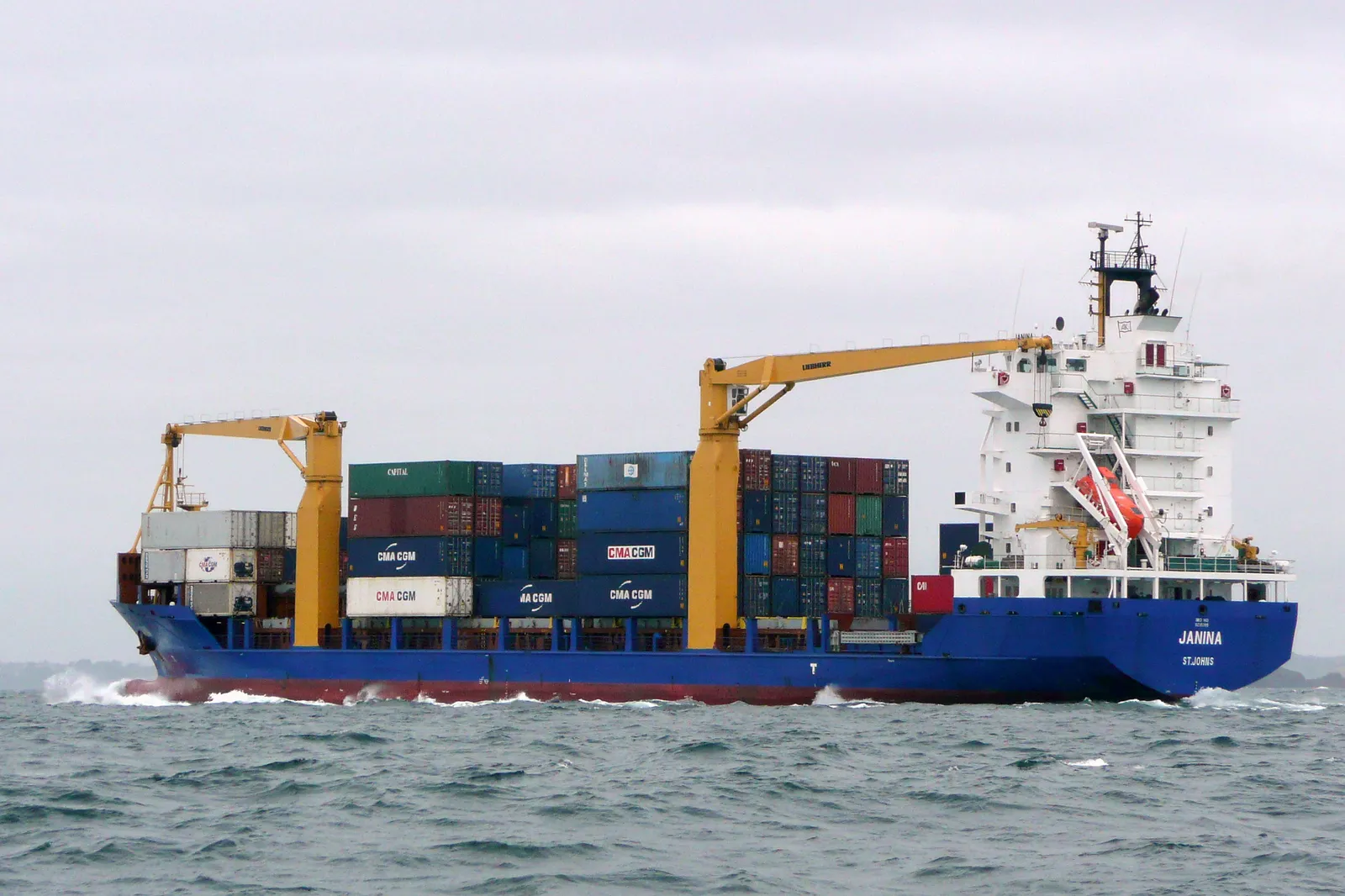
The European Union's goods-trade deficit with China reached about €360 billion in 2025, up roughly 15 percent from the year before — on the order of a billion euros a day, Al Jazeera reported, citing EU figures. Europe imported some €560 billion in Chinese goods last year while exporting under €200 billion in return. "China's exports to the EU keep rising, while our market share in China keeps shrinking," EU trade chief Maroš Šefčovič said last month. "This trend is not sustainable."
From EVs to air conditioners
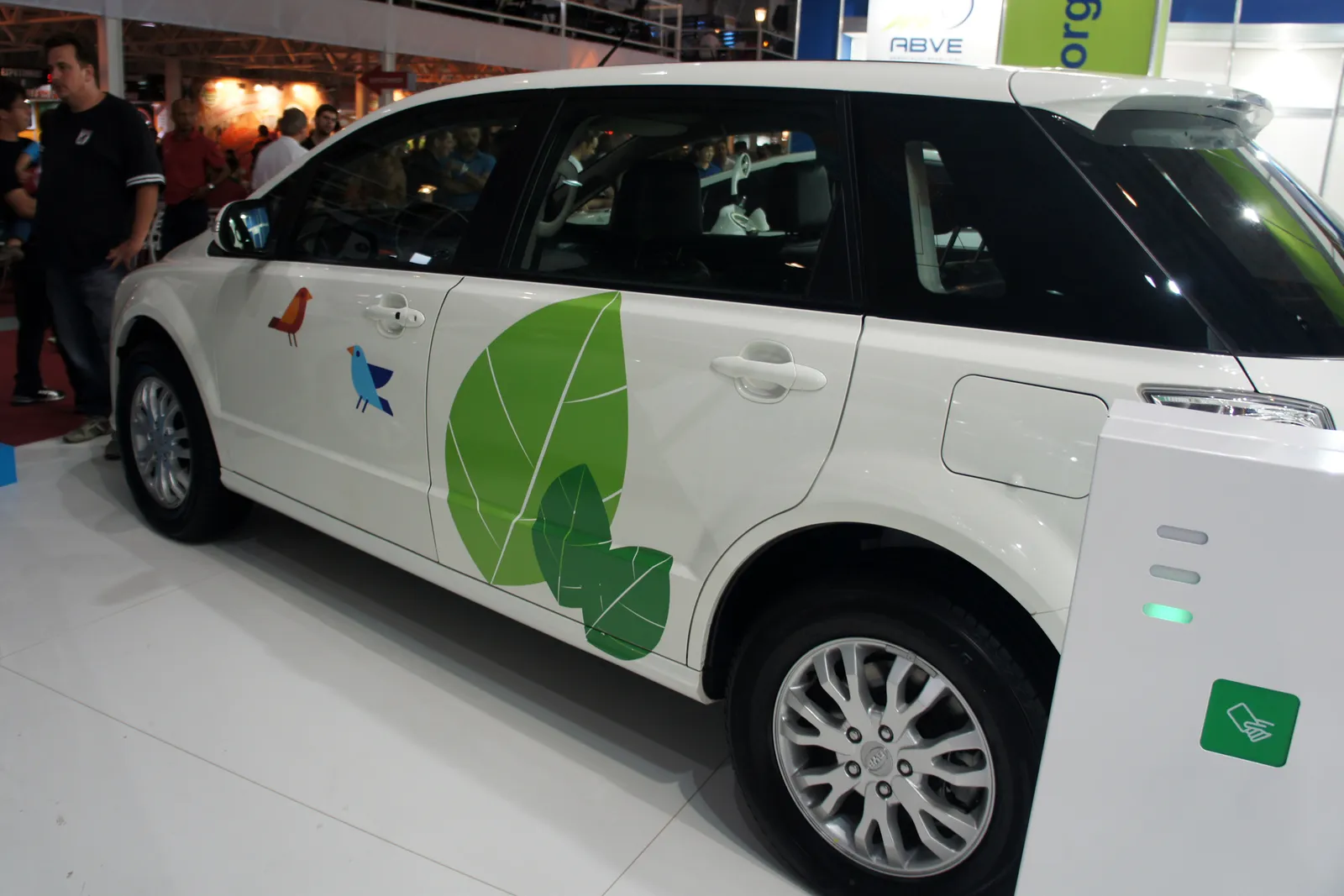
The imbalance is most visible in electric vehicles. Chinese brands such as BYD and Geely captured a rising share of Europe's car market in early 2026, according to figures cited by Chinese state broadcaster CGTN, even after the EU imposed countervailing duties of up to 35.3 percent on Chinese-made EVs in late 2024. Brussels casts the surge as the product of state subsidies and industrial overcapacity — European Commission President Ursula von der Leyen has warned of "a new China shock" — while Beijing argues its manufacturers are simply more competitive and has floated minimum-price deals in place of tariffs. European carmakers, meanwhile, are cutting jobs; Volkswagen and BMW have both announced reductions.
Even Europe's response to a record heat wave has underscored the dependence: as temperatures soared this summer, European households bought Chinese-made air conditioners in bulk, with imports of the units jumping sharply, per CGTN.
The rare-earth vulnerability
If EVs are Europe's grievance, rare earths are its weak spot. The bloc relies on China for the overwhelming majority of its rare-earth magnets and other critical minerals used in electronics, wind turbines and defense systems, according to European Parliament research. After Beijing tightened export controls on those materials in 2025, European firms faced delays and higher prices, prompting the Commission to launch an initiative to stockpile and diversify supply — though the reliance will not ease quickly, with China dominating global production and refining.
The summit
Against that backdrop, von der Leyen and European Council President António Costa are due in Beijing for a summit with President Xi Jinping, scheduled for late July. Analysts noted the meeting was moved from Brussels to China and trimmed to a single day, which they read as a sign of Beijing's caution.
Each side arrives with clear demands. Brussels wants better market access, fewer Chinese subsidies and a credible path to shrinking the deficit — and it wants Beijing to curb economic support for Russia's war in Ukraine. China wants Europe to keep its markets open, especially to EVs, and to hold off on tougher trade defenses; it has used its grip on rare earths as both inducement and leverage.
De-risk, not decouple
The EU's watchword remains "de-risking, not decoupling" — trimming dangerous dependencies without severing a relationship worth hundreds of billions a year. But officials have warned time is short: a senior European Parliament figure said this week the bloc could slide into a "phase of conflict" with Beijing absent a deal by autumn. With its citizens cooling their homes with Chinese appliances, its automakers retrenching and its access to critical minerals resting on Beijing's goodwill, Europe is bargaining from a position of real need.