


A social-media phenomenon that began as innocent fun has, in a number of American cities, turned dangerous, ABC7 reports, and it has left local governments arguing over whether the answer is handcuffs or basketball leagues.
What a 'takeover' is
The concept is simple and, at first, harmless: a location and time get hyped across social media, and large groups of teenagers converge to hang out, dance, play music and, crucially, film it for more social media. Most takeovers are exactly that. As one 18-year-old, Damarion Spann, put it, "You feel like a young person who has freedom, who's not being held to something." That is the appeal, and on its own it is not a crime.
Where it has gone wrong
The problem is what happens when a crowd that size, organized by no one and answerable to no one, tips over. The reporting catalogs the darker turns: over the July 4 weekend, nine people were shot and wounded at a takeover in Raleigh, North Carolina. A 19-year-old was shot and killed at one in Pensacola, Florida. In Detroit, a takeover in April descended into fighting, and a May gathering saw a 14-year-old shot and wounded.
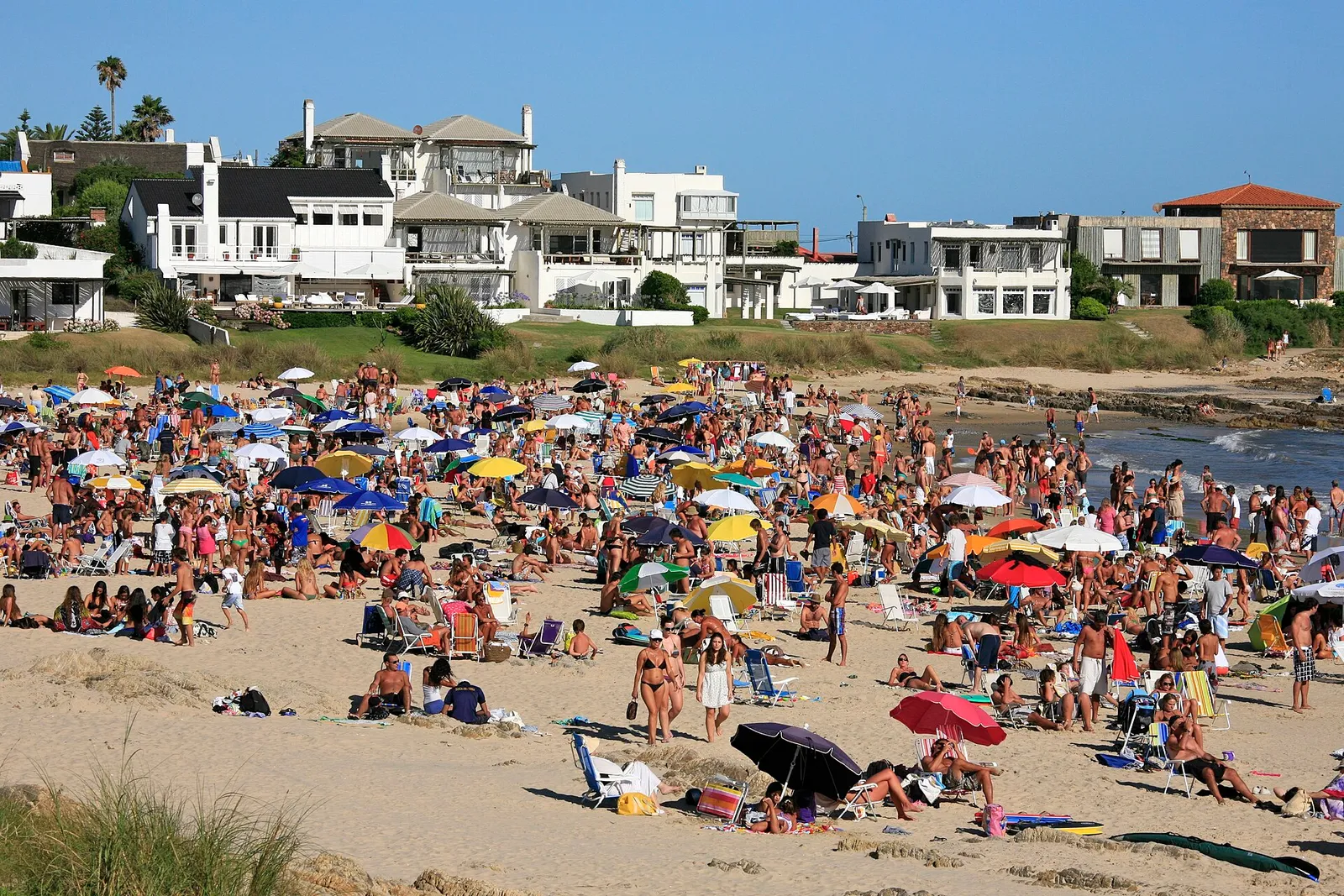
For Southern California readers, the closest example is the starkest: at a takeover in Newport Beach, more than 400 people were arrested, and participants launched what authorities described as "explosive mortars and other projectiles" at police. Knott's Berry Farm in Buena Park issued warnings around another. The trend is national, from Chicago and St. Louis to Baltimore, but it has touched down hard on the California coast.
The two responses
What makes this more than a crime-blotter roundup is that cities have landed on genuinely different philosophies, and the split is instructive. Some are treating takeovers as a law-enforcement problem: Florida prosecutors can apply racketeering laws to organized takeovers, and Blue Island, Illinois, fines the parents of participants and uses the money for cleanup.
Others are treating it as a youth problem to be redirected. Detroit monitored social media to head off 19 gatherings, then stood up a youth-affairs office and a late-night basketball league. Chicago offered a teen organizer an $11,000 grant to run alternative programming instead. St. Louis directs teens to community centers rather than jail.
Neither approach has obviously solved it, and the honest read is that both are reacting to the same underlying fact: a generation with a tool, social media, that can summon a crowd faster than any city can plan for one, and not much on offer for that crowd to do. The Herald notes the trend, its real dangers, and the unsettled debate over what to do about it, without pretending anyone has the answer yet.