

Measles, a disease the United States declared eliminated a generation ago, is back at levels not seen since before that milestone, ABC7 reports.
The numbers
More than 2,318 measles cases have been reported in the U.S. so far in 2026, already exceeding the roughly 2,300 recorded in all of 2025 and marking the highest total in 35 years. That makes two record-breaking years in a row.
The scale of the change is in the comparison. Since measles was declared eliminated in the U.S. in 2000, the country averaged about 190 cases a year. Last year's total was roughly 12 times that average, and the past 18 months have produced more cases than the previous 25 years combined.
The outbreaks are geographically concentrated but widespread: the largest, in South Carolina, reached nearly 1,000 cases between October 2025 and April 2026, centered on Spartanburg County. Virginia logged more than 150 cases, Pennsylvania more than 100 in Lancaster County, and an outbreak along the Utah-Arizona border has run for over a year. In all, 43 or more states have reported cases, with 35 new outbreaks in 2026.
Why it is happening
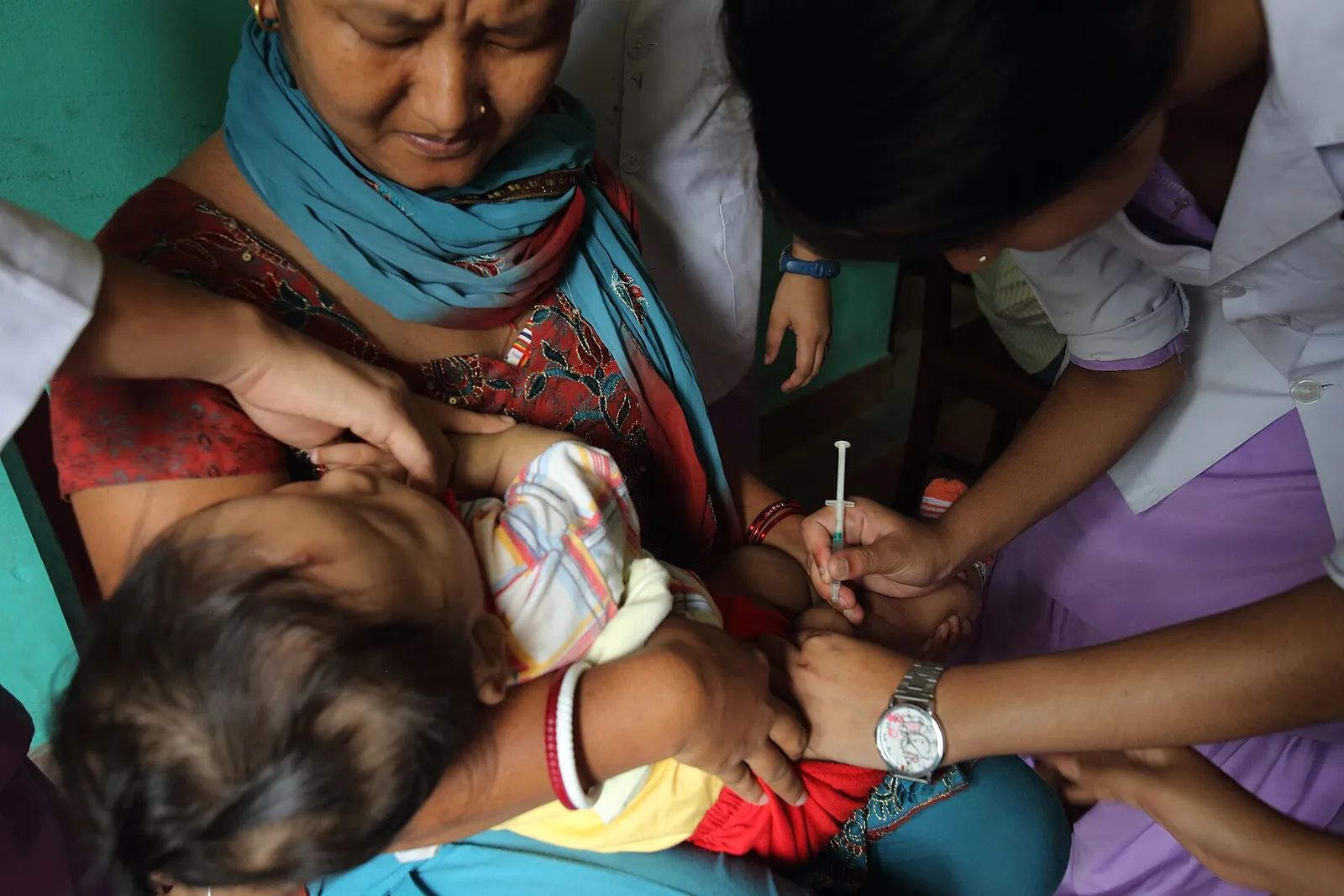
The cause is not a mystery, and the data is blunt about it: more than 90 percent of the people who got measles were unvaccinated. The measles vaccine, given as the two-dose MMR, provides about 97 percent lifetime protection, and preventing outbreaks requires roughly 95 percent of a community to be vaccinated, a threshold a growing number of communities have fallen below.
"This essentially is a public health failure, and it's avoidable," said Dr. Andrew Racine, president of the American Academy of Pediatrics. That is the core of it: measles is one of the most contagious diseases known, but it is also one of the most preventable, and a resurgence on this scale reflects declining vaccination rather than any change in the virus.
The Los Angeles angle, stated carefully
The report does not break out California or Los Angeles case numbers, so we are not going to imply a local surge the data does not show. What is true, and relevant, is that measles spreads through pockets of low vaccination wherever they are, and Los Angeles, like anywhere, has neighborhoods and schools with coverage below the 95 percent threshold. A national resurgence is the environment in which a local outbreak becomes more likely, not a guarantee of one.
The practical takeaway is the unglamorous, effective one: two doses of MMR are about 97 percent protective, most cases are in the unvaccinated, and the thing that ended measles in this country the first time is the thing that would end it again. The Herald will report California and county figures if and when local health authorities release them.