

In a single year, India hosted more share-market debuts than any other country — and the engine of it all fits in a pocket.
The scale of the boom
India logged 367 initial public offerings in 2025, raising about $22.9 billion in total proceeds — among the most of any market in the world, according to EY's IPO analysis. The momentum has carried into 2026, with a thick pipeline of companies lined up to list. The marquee deals reflect real corporate depth: Hyundai Motor India's roughly $3.3 billion offering in late 2024 became the country's largest IPO ever, J.P. Morgan noted, and a long-awaited listing of Mukesh Ambani's Reliance Jio has been among the most anticipated.
The smartphone as brokerage
None of it would scale without the device in nearly every Indian pocket. The country now has well over 200 million "demat" accounts — the electronic accounts needed to hold shares — up from a small fraction of that a decade ago, and opening one takes minutes on an app. Digital-first brokerages such as Groww, Zerodha and Upstox have driven the surge, reaching into smaller cities where brick-and-mortar brokers never existed. A decade of government financial-inclusion drives, cheap mobile data and a fast-growing middle class have combined to make equities — once an afterthought next to gold and property — an aspirational asset for younger households.
The maturing market
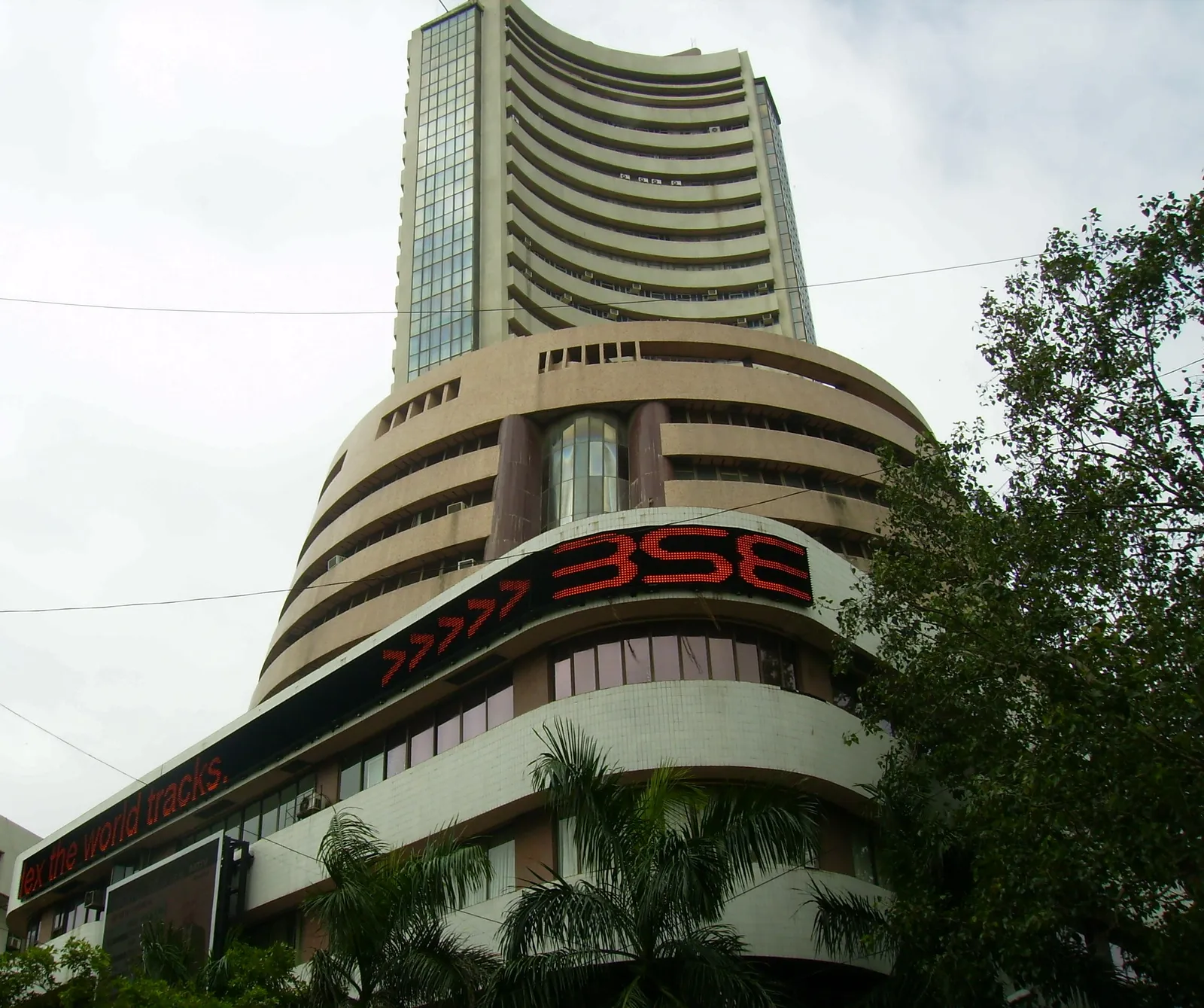
There are signs the frenzy is settling into something steadier. Average listing-day gains have cooled sharply from the heady pops of the post-pandemic years, a shift analysts read as the market becoming more driven by fundamentals than by hype. India's exchanges now rank among the largest in the world by funds raised, a milestone that would have seemed improbable a decade ago.
The risk regulators keep flagging
The boom has a shadow side that India's market regulator, SEBI, has documented loudly. In the 2024-25 financial year, about nine in ten individual traders in the equity-derivatives segment lost money, with aggregate net losses widening sharply, according to a SEBI study reported by Business Today. The regulator has raised minimum contract sizes, tightened margin rules and forced brokers to warn users at login that most derivatives traders lose money, while cracking down on unregistered social-media "finfluencers." The tension is a familiar one for any economy democratizing finance fast: the same phone that lets a first-time investor join a landmark IPO can also pull her into leveraged bets she doesn't fully understand. The opportunity is real — and so is the risk of burning a generation of investors before they have properly begun.