For most of their lives, Gen Z Americans have been told to wait their turn. In 2026, a growing number have stopped waiting.
The frustration factor
For a generation that will live longest with today's decisions on housing, debt, climate and war, the math of a graying political class has become intolerable: the average member of Congress is around 58, and the chamber is among the oldest in history. "No one's coming to save us but us" has become a generational rallying cry — and an organizing strategy.
Run for Something, the nonprofit that recruits and trains young, mostly progressive candidates for down-ballot races, says its pipeline has surpassed 250,000 prospective candidates since its 2017 founding and that it has helped elect more than 1,600 young leaders, recently endorsing dozens more across 19 states. CIRCLE at Tufts University, which studies youth civic engagement, estimates nearly 50 million Gen Zers will be eligible to vote in the 2026 midterms — a bloc large enough to swing close races.
Colorado as a flashpoint
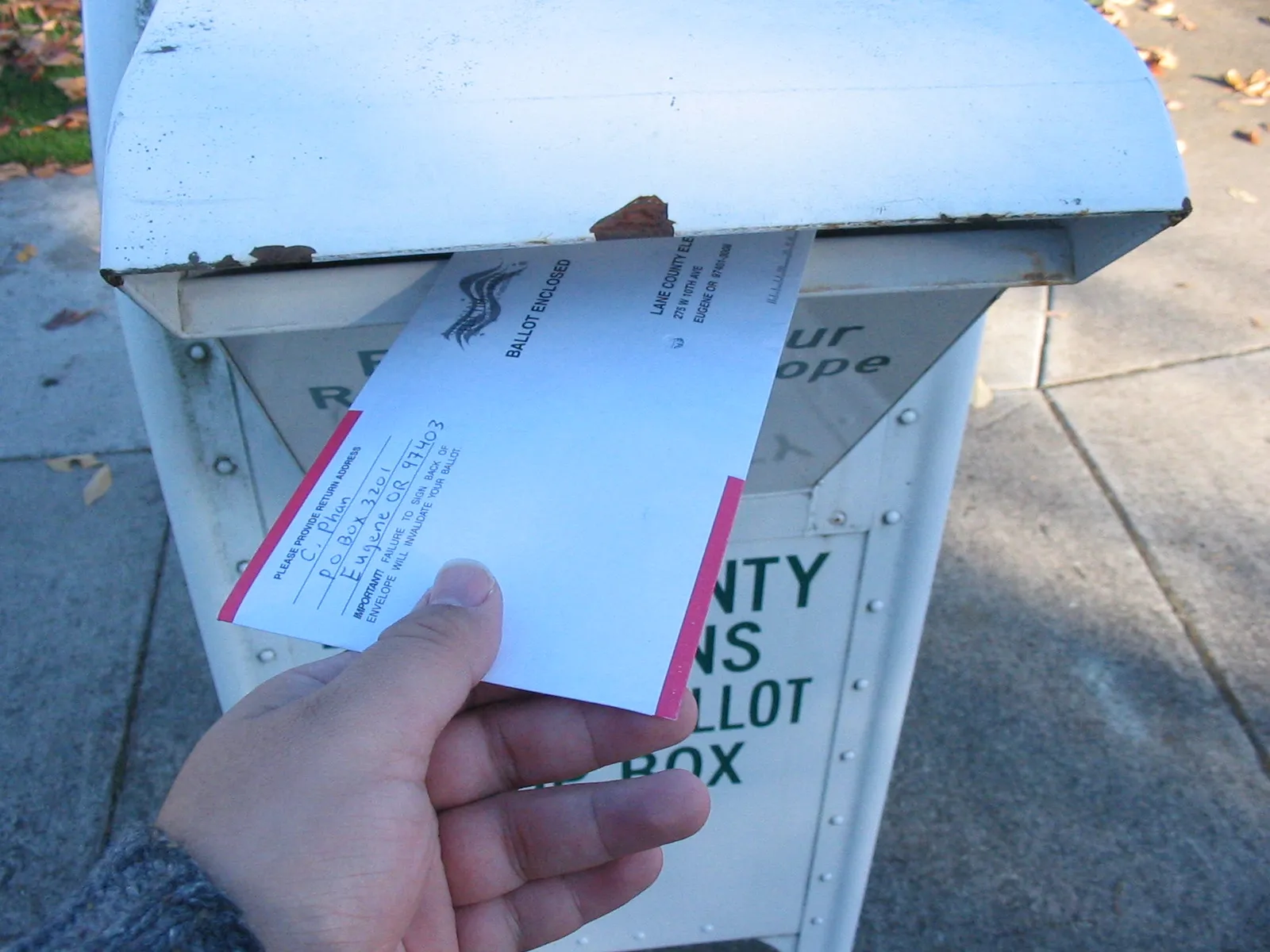
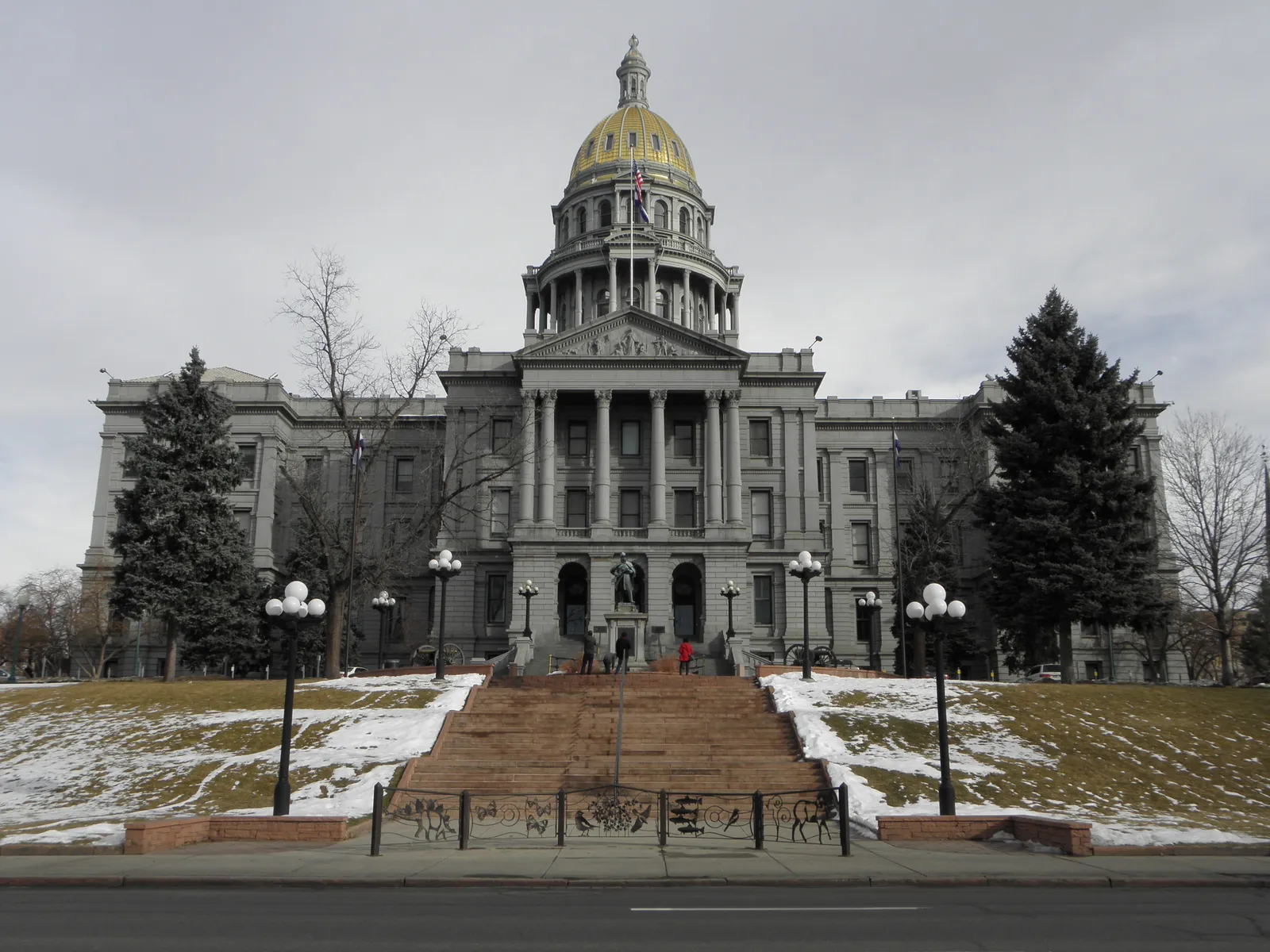
Colorado's June primary, with its competitive legislative districts and mail-ballot infrastructure, has become a proving ground for first-time candidates who lack party machinery but can organize peer networks fast, the New York Times reported. Young candidates there have campaigned on issues older party figures were slower to center: Front Range rents, mental-health access, and a sense that leadership has been indifferent to a generation still carrying pandemic-era economic scars.
Who's running
The strategy is breadth over celebrity. Run for Something's directory lists young candidates for offices from the Arkansas State Senate to a California city council to an Arizona school board — names few voters would recognize, which is partly the point. The movement also has proof of concept: Aftyn Behn, a social worker and organizer, won a Tennessee state House seat in a deeply conservative district on an economic-populist platform. At the federal level, Florida Rep. Maxwell Frost — born in 2000 and elected to Congress at 25 — remains the most prominent Gen Z figure in Washington, though he often points to statehouse races as where the real action is.
The skeptics
Not everyone sees a cresting wave. Veteran strategists note that young candidates often struggle with the mechanics — donor lists, endorsements, sustaining a ground game through a primary's grinding final weeks — and that name recognition in low-turnout primaries still favors incumbents and the well-funded. "Enthusiasm is real, but enthusiasm doesn't file absentee-ballot paperwork," one state party operative said. There is also the question of staying power: candidates galvanized by a single cycle's anger can struggle to articulate a durable governing vision.
The stakes
Run for Something argues the down-ballot focus is deliberate — school boards, city councils and legislatures are where policy lands closest to people's lives and where barriers to entry are lowest. In Colorado, as in dozens of states, some of these candidates will advance to November; others will lose and, organizers hope, run again. The phrase echoing through their trainings is new, but the impulse is old: if you don't like who's in the room, get in the room.