

The day many South Africans had dreaded passed without the catastrophe that was feared — but not before it had already exacted a heavy human cost.
A day held in check
By Monday morning, police commanders across South Africa's provinces reported no major incidents as anti-migrant marches organized by Operation Dudula and the group March and March proceeded through Johannesburg and other cities, IOL reported. The wave of vigilante violence that rights monitors had warned of did not, through midday, materialize; authorities reported only isolated incidents and worked to debunk circulating videos of looting they said were false. In Johannesburg, an approved Operation Dudula march moved through the central business district to hand over memorandums demanding enforcement of labor and immigration laws.
A R600-million show of force
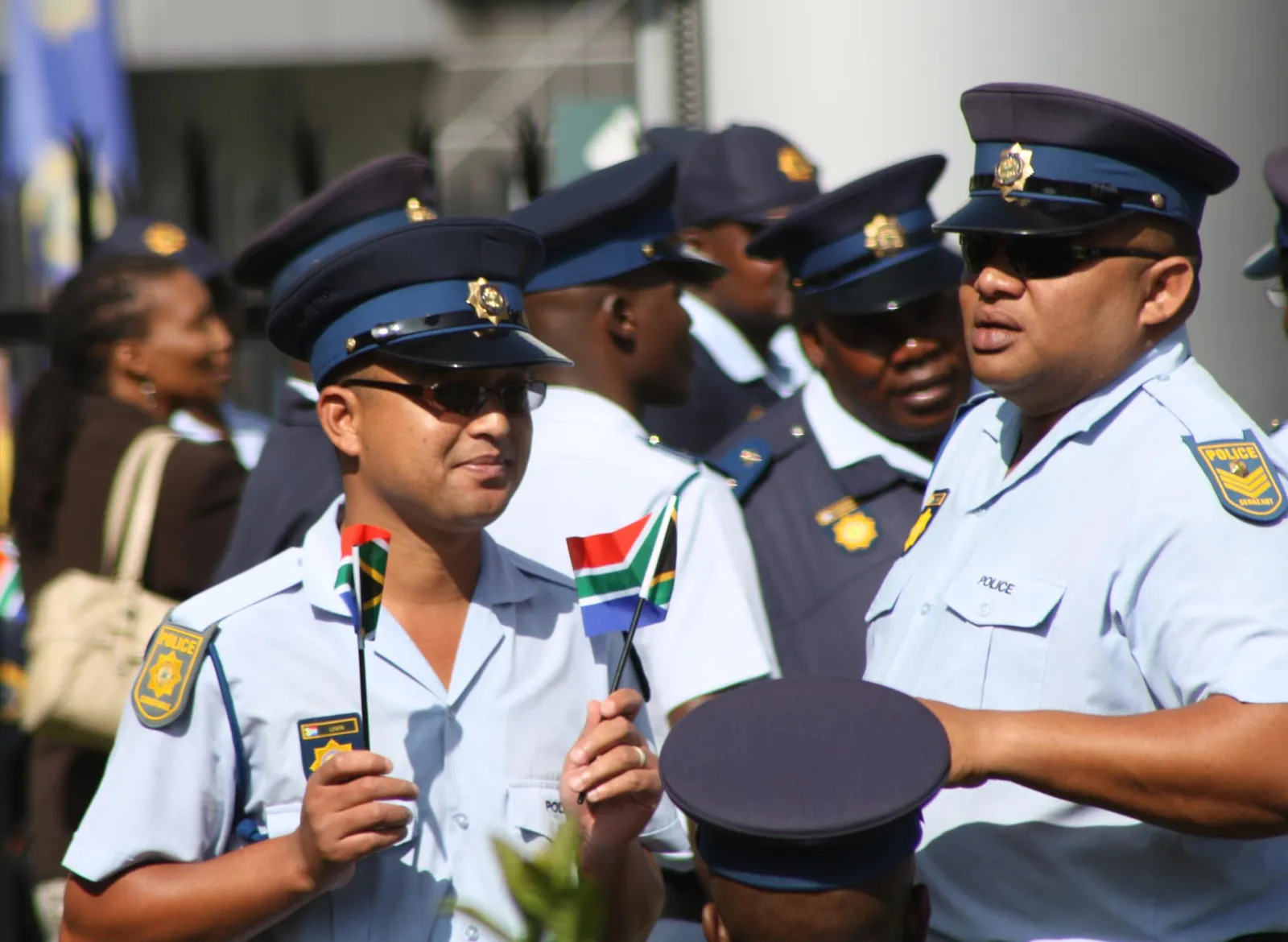
The calm was bought at extraordinary cost. Acting Police Minister Firoz Cachalia committed a roughly 600-million-rand special operation: police leave was cancelled, soldiers were deployed alongside officers, and disaster-coordination centers were activated province by province, ISS Africa reported. In the week before the deadline, police said they arrested more than 15,000 people nationwide, including roughly 2,900 on immigration-related charges — figures officials cast as part of a broader public-order push.
The exodus that came first
For many migrants, waiting to see whether the day would be peaceful was not a risk worth taking. More than 25,000 foreign nationals had been bussed out of South Africa by the time the deadline arrived, IOL reported, including thousands of Malawians moved to a holding facility in Limpopo and Zimbabweans sheltering at a Cape Town processing center. Statistics cited by Al Jazeera put the country's migrant population — documented and not — in the millions. "If we don't get out, they are not going to stop until we all die," a Malawian barber in Johannesburg told the network.
The violence that preceded it
The deadline did not emerge from nowhere. Monitors recorded scores of anti-immigrant incidents since March. The worst came in late May in Mossel Bay, on the Western Cape coast, where dozens of shacks were burned and hundreds of Mozambicans displaced; South African police confirmed three deaths, while Mozambique's government said five of its citizens were killed. In June, mob violence in KwaZulu-Natal sent roughly 1,700 Malawians fleeing overnight.
Government caught between two angry sides
President Cyril Ramaphosa has said violence "would not be justified under any circumstances," offered help to migrants choosing to leave voluntarily, and ruled out refugee camps, while announcing tougher enforcement — dedicated immigration courts, thousands of new labor inspectors and employer penalties. Neither side is satisfied: anti-migrant organizers say immigration law has long gone unenforced, while advocates say scapegoating migrants distracts from the real driver of public anger — an unemployment rate above 30%, among the world's highest. The African Union and United Nations have condemned the climate of intimidation. The deadline has passed; the grievances that produced it have not.