For 90 minutes on Sunday, Argentina held. Then a substitute found a yard of space, and a tournament that began a month ago across three countries ended with Spain as champion for the second time.
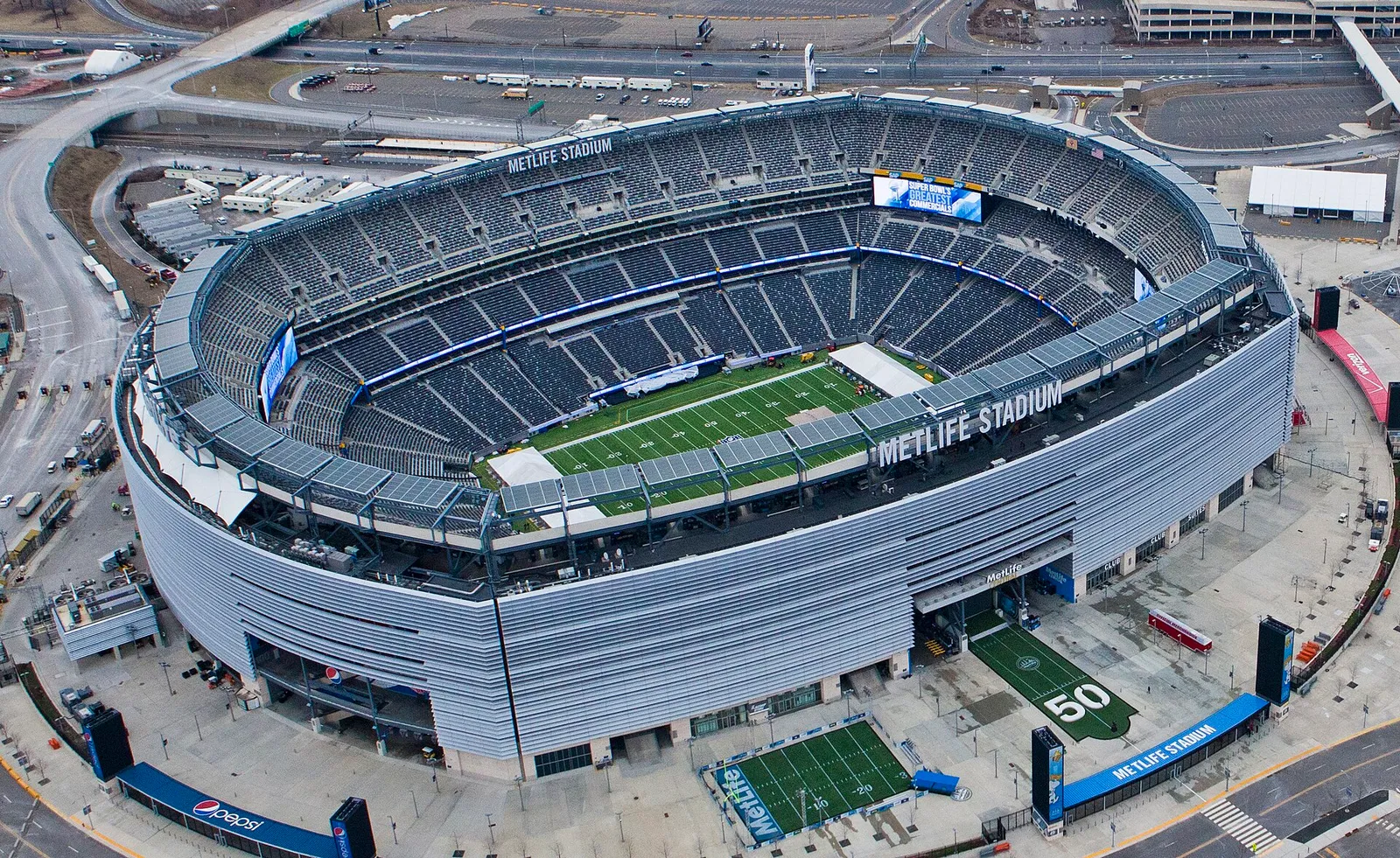
Spain beat Argentina 1-0 after extra time at MetLife Stadium in East Rutherford, New Jersey, taking the title from the defending champions in a final that turned bad-tempered before it turned decisive.
A substitute settles it
Ferran Torres came on in the 62nd minute for Mikel Oyarzabal, and it was Torres who broke the deadlock in extra time, striking powerfully past Emiliano Martínez from close range. ESPN's match report has Nico Williams heading a Pedro Porro cross into his path.
It was the sort of goal that decides finals: unspectacular in construction, ruthless in execution, and delivered by a player who had watched the first hour from the bench.
The red card that shaped extra time
Argentina had already lost a man by then. Enzo Fernández, booked earlier, was sent off in the closing moments of stoppage time in regulation for a challenge on Pau Cubarsí, a second yellow at the worst possible moment for a side about to face 30 additional minutes.
Playing a man down through extra time against a Spanish team built to keep the ball is close to the hardest task in the sport. Argentina survived it for roughly a quarter of an hour.
The end of Messi's World Cup
The defeat closes Lionel Messi's World Cup career on a runner-up finish. In reaching this final he became the first player to start three of them. Brazil's Cafu appeared in three consecutive finals in 1994, 1998 and 2002, but came on as a substitute in the first of them.
Spain, for its part, had waited since 2010 for a second star. The team that won in Johannesburg was defined by patient possession; this one has been quicker and more direct, and it closed out the tournament the same way.
Los Angeles had a share of it
The final was played 2,500 miles from here, but Southern California was part of this World Cup. SoFi Stadium in Inglewood was among the North American venues that hosted matches during the tournament, drawing crowds from a region whose soccer culture long predates the tournament's arrival.
What that month leaves behind in Los Angeles, beyond the memory, is now the question facing the two clubs that play here year-round.