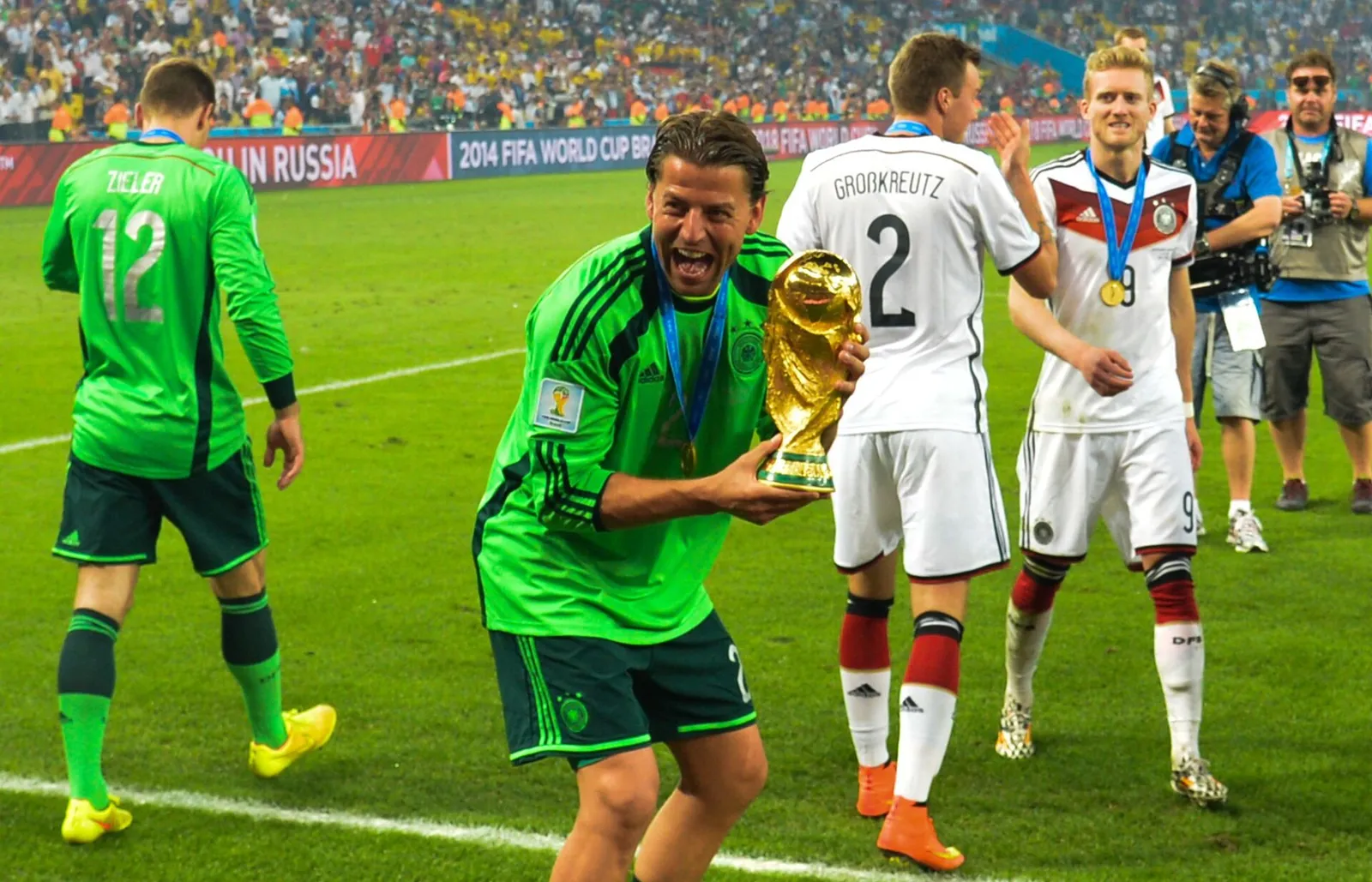


The tournament that occupied American television for a month is finished. What Major League Soccer wants to know is how many of the people who watched it will turn up for a Wednesday night in Carson.
This is the oldest question in American soccer, asked after every World Cup on this continent since 1994, and never yet answered the way the sport's promoters hoped.
The conversion campaign
MLS is not waiting to find out passively. Clubs across the league, including both Los Angeles sides, have run "First Match on Us" promotions offering free admission to first-time attendees, on the theory that the building does the selling once someone is inside it.
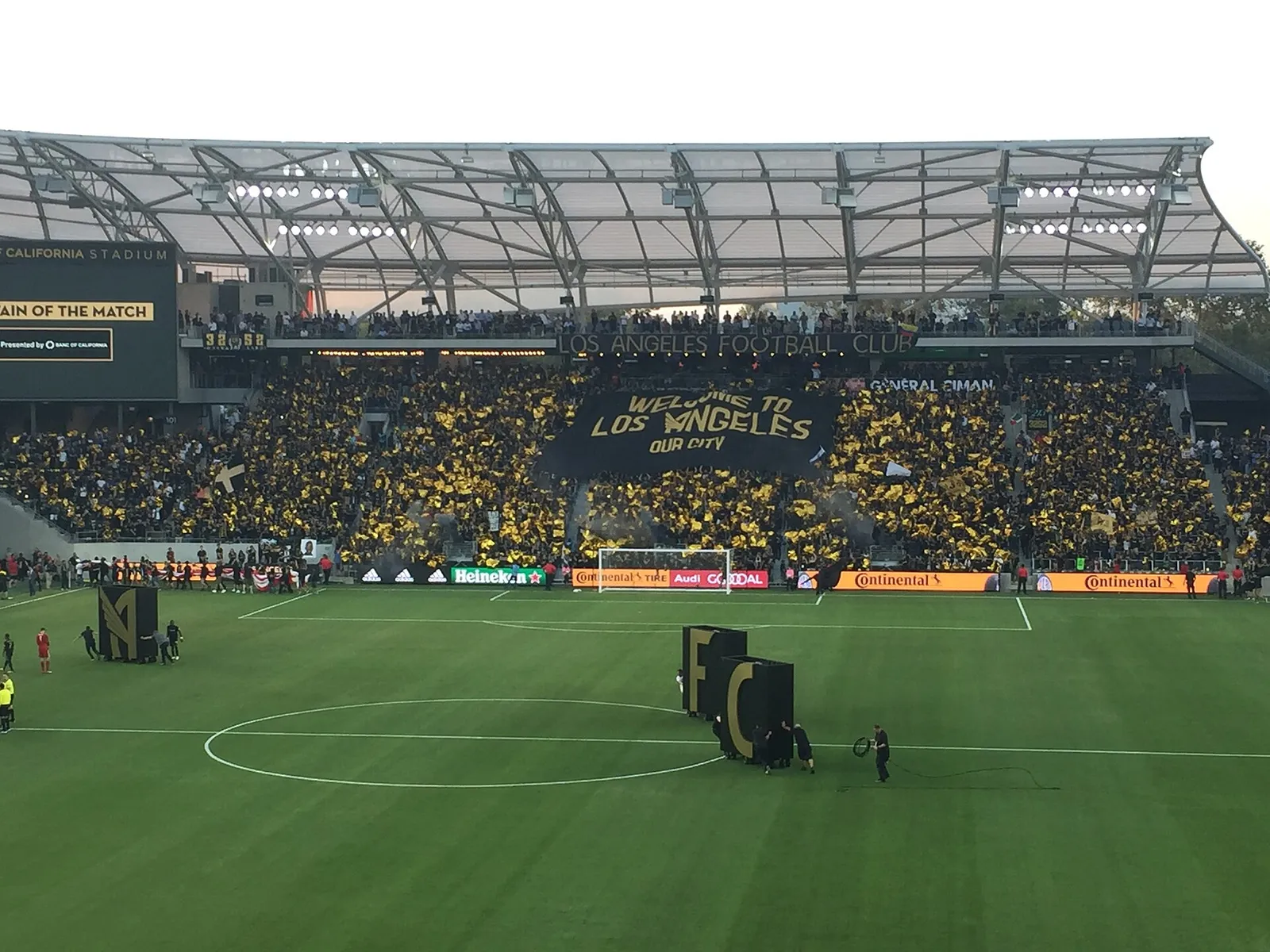
The league also timed its return deliberately. Rather than hiding from the tournament, it scheduled marquee fixtures into the World Cup window, putting the LAFC and Galaxy rivalry on national television while American viewers were still tuned to soccer.
Why Los Angeles is the test case
Los Angeles is the natural laboratory, and not because of the tournament. The region's soccer audience was built over generations by Mexican and Central American families whose loyalties often run to clubs in Liga MX or Europe rather than to anything in MLS.
That is the specific challenge here, and it is different from the one in most American markets. The task in Los Angeles is not persuading people to care about soccer. It is persuading people who already care deeply about soccer that the local league deserves a share of that attention. A World Cup does not obviously solve that. It may even sharpen the comparison.
Two clubs, a dense and knowledgeable fan base, and a month of the world's best players in the region make this the most informative market in the country for whatever comes next.
The honest uncertainty
Previous tournaments offer a caution. The 1994 World Cup led directly to the founding of MLS, which spent years struggling for relevance and nearly contracted out of existence. Attention proved considerably easier to attract than to keep.
NPR reported on the league's efforts to capture the tournament's audience as it wound down. Whether they work will not be visible in the days immediately after a final, when interest is still elevated. It will show up in renewal rates next winter, and in whether anyone remembers the free ticket they used in August.
For now the region has two teams, a season still running, and a considerably larger number of people who spent June and July watching soccer than were doing so in May.