


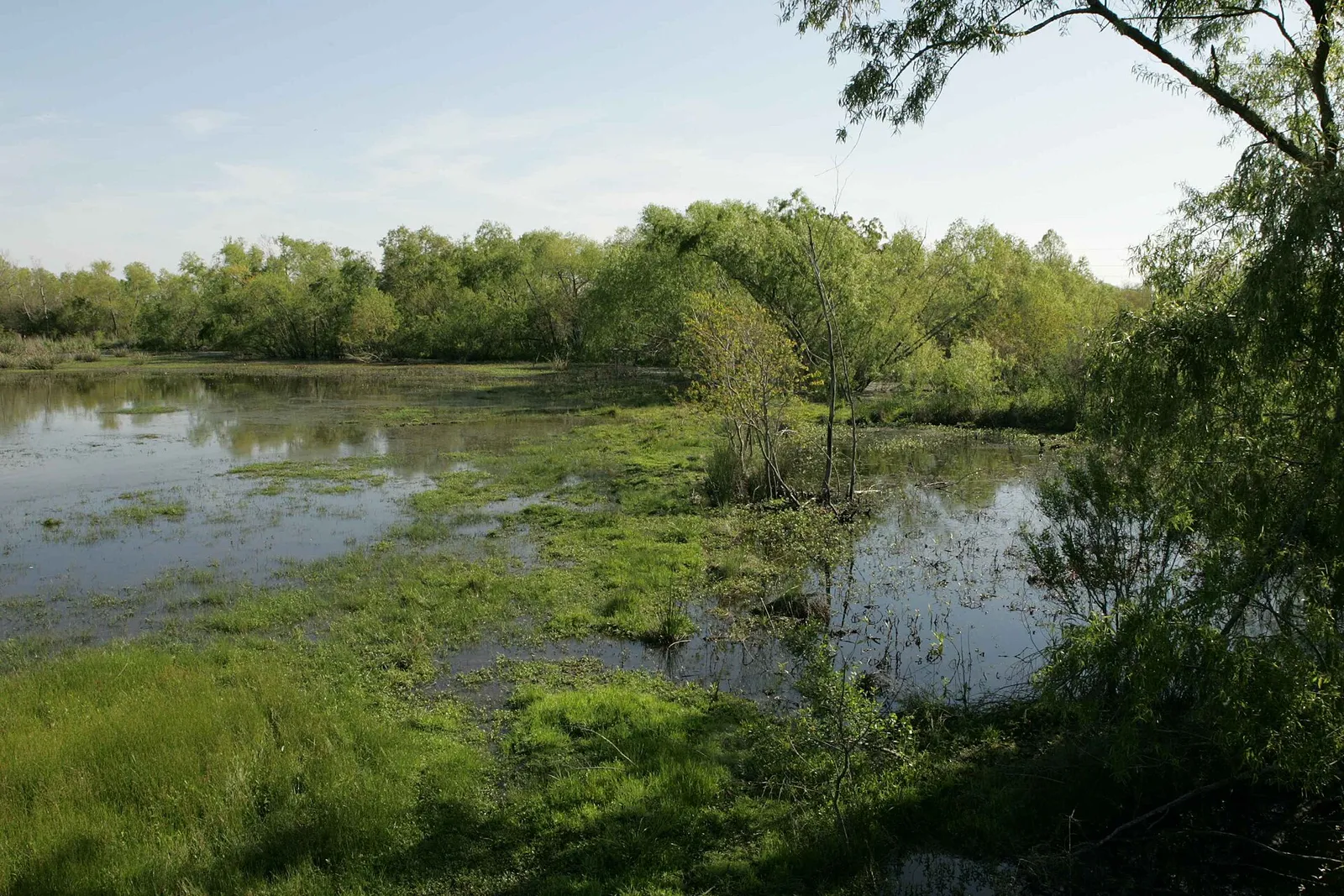
The Trump administration has taken aim at one of the pillars of American wildlife law, moving to end the rule that treats destroying an endangered animal's habitat as harming the animal itself.
The change
The Fish and Wildlife Service and NOAA's National Marine Fisheries Service have moved to rescind the regulatory definition of "harm" under the Endangered Species Act, NOAA Fisheries said. For decades, that definition had included habitat modification or degradation that kills or injures wildlife by disrupting essential behaviors like breeding, feeding and sheltering. Stripping it out means that, going forward, the law's protections turn on direct harm to animals rather than the destruction of the places they depend on.
Why the definition mattered
The rule being rolled back is not a technicality; it is the legal foundation for much of the habitat protection the act has provided. Its validity was affirmed by the U.S. Supreme Court in the 1995 case Babbitt v. Sweet Home, which upheld the reading that protecting habitat is part of protecting species, as the court's opinion records. Because habitat loss is the single biggest driver of species decline, conservationists argue that removing habitat from the equation guts the law's power.
The administration's case
The administration frames the old definition as regulatory overreach that burdened landowners and businesses. Officials have argued that the previous rule went beyond what the statute requires and interfered with property rights and development, and that rescinding it would ease compliance costs. The move fits a broader push to pare back environmental regulation that the administration says has grown too heavy on industry.
The opposition
Environmental groups reacted with alarm and promised a court fight. "There is no support for the Trump administration's rule, no scientific support, no legal support, no public support," said Kristen Boyles, an attorney with Earthjustice, the group said. Critics warn the change could let developers, loggers and miners clear habitat, so long as animals are not physically present at that moment, and note that the rule advanced despite a flood of public comments against it, Bloomberg Law reported.
What's next
The dispute is headed for the courts, where conservation groups are expected to challenge whether the administration can lawfully read habitat protection out of the act. The Endangered Species Act has been credited with helping bring species like the bald eagle and the gray wolf back from the edge, and how narrowly "harm" is defined will shape how much protection remains. For now, one of the country's bedrock conservation tools has been significantly weakened, and the fight over it is only beginning.