

Volkswagen is preparing to shrink, dramatically, in an effort to pull itself out of what its own leadership has called a historic crisis.
The plan
Under a strategy running through the end of the decade, Volkswagen would gradually cut its lineup by up to half and reduce the number of vehicle variants it offers by as much as 75 percent, concentrating on the segments it sees as most profitable, Euronews reported. The group also plans to bring its annual production capacity down to about nine million vehicles, from roughly ten million now, Daily Sabah reported.
The aim is to trade breadth for focus: fewer models, simpler production and, the company hopes, healthier profits.
Why now
The pressure has been building for years. Volkswagen faces intense competition in China, the world's largest car market, where fast-moving domestic manufacturers have eroded the dominance German brands enjoyed for decades. On top of that come weaker margins on electric vehicles and U.S. import tariffs. Together, those forces have cut the company's profit margins roughly in half between 2021 and 2025, Euronews reported.
China is the sharpest edge of the problem. Even though legacy automakers, Volkswagen among them, clawed back some market share in early 2026 as Beijing's electric-vehicle subsidies faded, the longer-term trend has run against them as Chinese rivals with integrated battery supply chains keep gaining ground.
The unanswered question: jobs
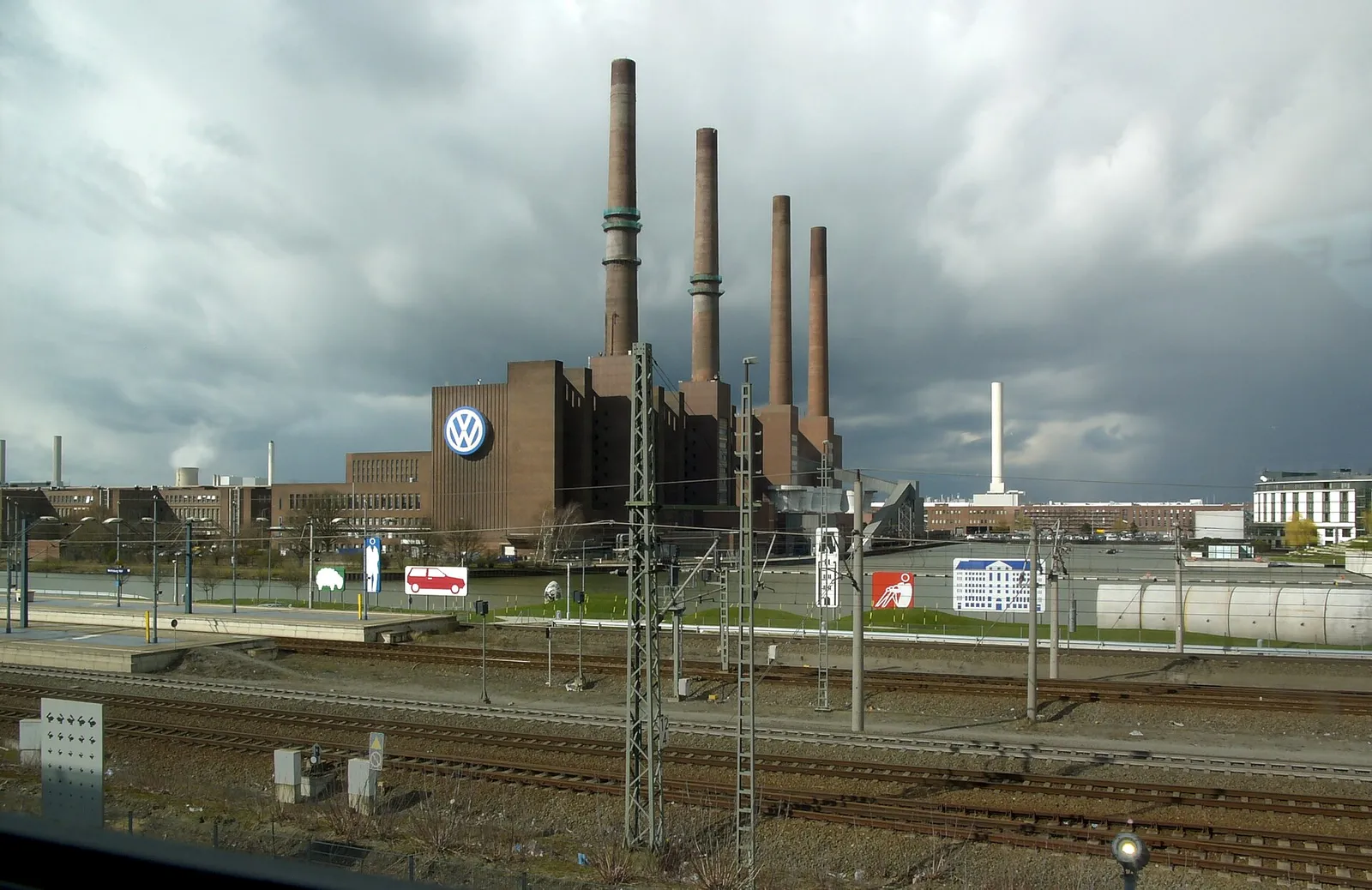
What the plan did not settle is the human cost. Reports say Chief Executive Oliver Blume has been weighing the closure of four German plants and cuts of up to 100,000 jobs, roughly double what had previously been planned, but the company has not confirmed those figures, and questions over jobs and factories were left open, Euronews reported. As Volkswagen's supervisory board met at its Wolfsburg headquarters, the powerful IG Metall union staged protests across Germany, a sign of the fight to come over any layoffs.
The bigger picture
Volkswagen's retrenchment is a symptom of a broader reckoning in Europe's auto industry, which has struggled with the costly shift to electric vehicles, excess factory capacity and the rise of Chinese competitors. For a company whose name is synonymous with mass-market motoring, the bet is that getting smaller and simpler is the way to stay competitive. Whether it can do so without tearing at its German industrial base is the question now hanging over Wolfsburg.