

A South Korean maker of memory chips is about to test how much investors will pay to bet on the artificial-intelligence boom. SK Hynix is preparing a U.S. listing that could raise roughly $28 billion, a sum that would make it one of the largest equity offerings ever seen on an American exchange.
The size of the deal
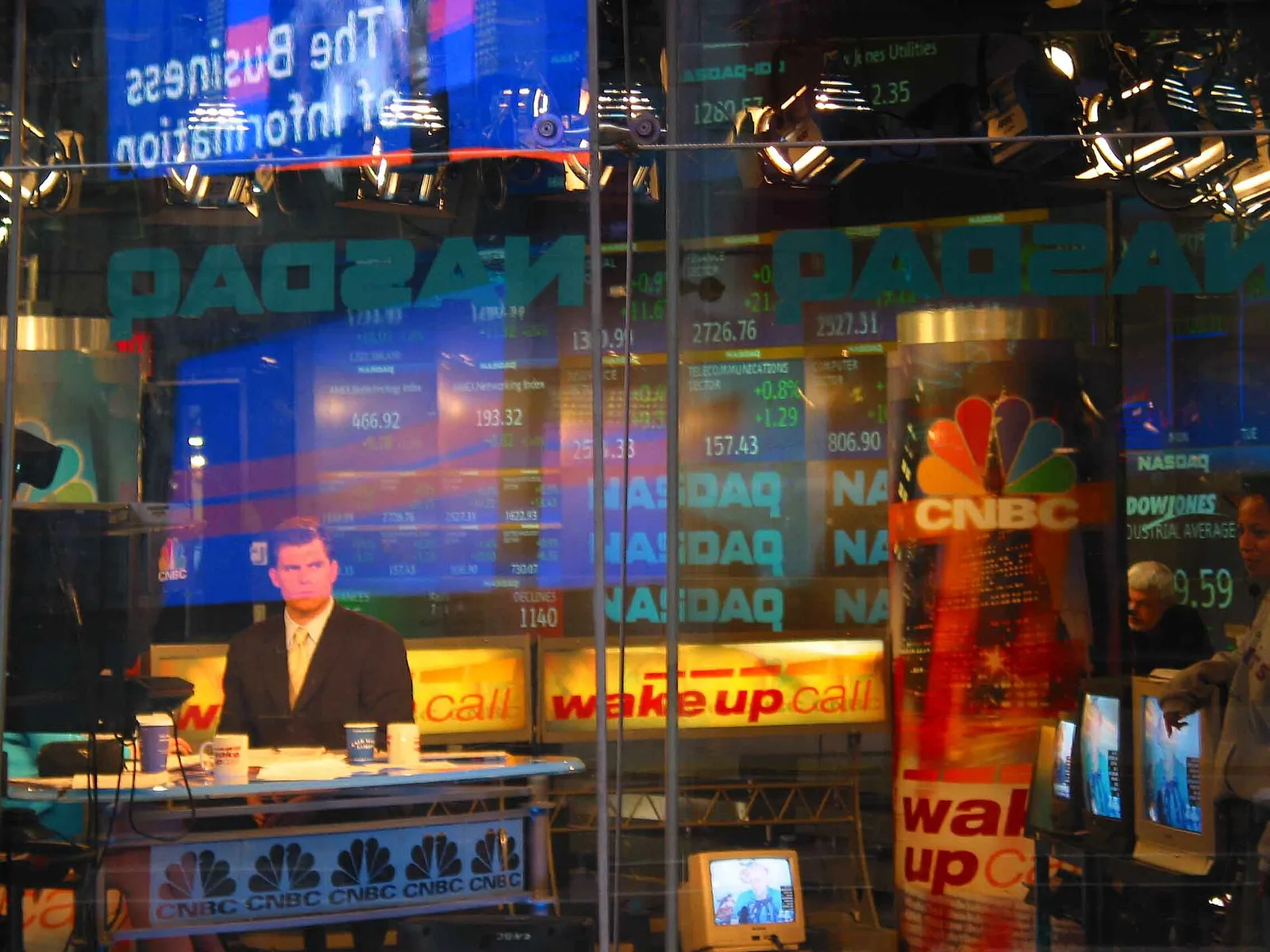
At about $28 billion, the offering would trail only SpaceX's record listing, which raised some $85.7 billion in June, Fortune reported. SK Hynix already trades in South Korea; the move would bring its shares to U.S. investors through a Nasdaq listing, expected later this month, Yahoo Finance reported. The scale of the deal is itself a measure of how much money is chasing anything tied to AI infrastructure.
Why SK Hynix matters
The company is a leader in high-bandwidth memory, or HBM, a specialized type of chip that pairs with the processors used to train and run AI models. It holds a commanding share of that market and is a crucial supplier to Nvidia, whose chips power much of the AI industry, as trade publications have reported. Demand for HBM has surged as cloud companies race to build AI data centers, turning what was once a boom-and-bust commodity business into an extraordinarily profitable one.
SK Hynix says it intends to put the money toward expanding chip production, building out fabrication and packaging capacity to keep up with that demand, Yahoo Finance reported.
The boom, and the doubts
The listing arrives at a moment of both euphoria and unease about the AI trade. SK Hynix's Korean shares have soared over the past year, and the company's fortunes have tracked the seemingly bottomless appetite for AI memory. But the same concentration that has powered its rise is a risk: the business now leans heavily on a small number of large customers and on the assumption that AI spending will keep climbing. When SK Hynix recently signaled it might temper its memory production growth, markets wobbled, Fortune reported.
What to watch
The offering will be a real-time gauge of investor conviction. A strong reception would signal that the market still believes the AI build-out has room to run; a tepid one might hint at the first doubts about whether the memory boom can last. Either way, a deal of this size puts a South Korean chipmaker, and the AI supply chain it anchors, squarely in front of American investors.