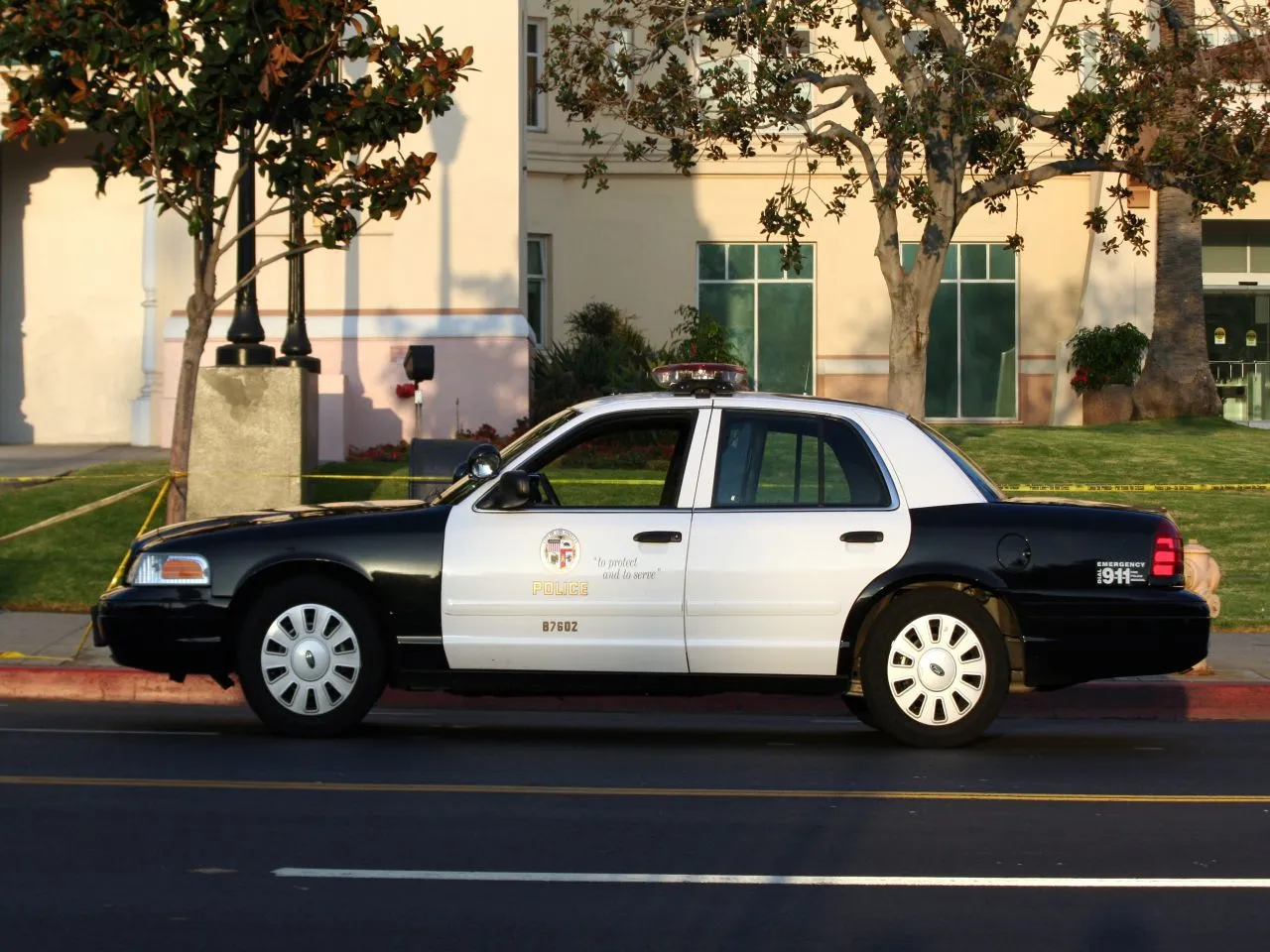
Two years out from hosting the Summer Olympics, Los Angeles is confronting an uncomfortable question about the event's security: whether the LAPD will have enough officers to police it.
A shrinking department
The department has been losing officers faster than it can replace them, and its leaders have been sounding the alarm. The police chief, Jim McDonnell, has warned that public safety will suffer unless the city hires enough officers to make up for the hundreds expected to leave in the coming years, NBC Los Angeles reported. The union representing officers has put the shortfall in blunt terms, saying the department needs roughly 1,500 more officers to reach adequate staffing.
The Olympic math
The scale of the Games makes the gap starker. Under the current security plan, the LAPD would supply about 2,400 officers for the Olympics, less than a third of the total number of officers the union estimates are needed to keep the city safe during such a large event, NBC Los Angeles reported. The rest would have to come from mutual-aid arrangements with other agencies.
Even the academy is on the table
The strain has pushed the department toward unusual options. The LAPD has weighed canceling some police academy classes to free up the officers who staff them for street duty, the Los Angeles Times reported. It is a difficult trade-off: pulling trainers and recruits toward immediate needs could ease short-term staffing but slow the very hiring pipeline the department is counting on to grow.
That pipeline is already slow. The hiring process can take the better part of a year from application to the academy, and recent classes have graduated only a fraction of the recruits the department needs to hit its staffing targets.
What it means for 2028
None of this is a verdict on whether the Games will be safe; Olympic security will ultimately draw on federal, state and regional resources, not the LAPD alone. But the debate underscores a real tension for a host city: Los Angeles is trying to stage one of the world's largest events at a moment when its own police force is stretched thin. How the city closes that gap, through hiring, mutual aid or hard choices like pausing academy classes, will shape not just the Olympics but everyday policing in the years before them.