Every so often a striking claim makes the rounds online: that on a single day, nearly everyone on Earth is bathed in sunlight at the very same time. This year the date being shared is Wednesday, July 8. The claim is essentially true, but the reason has nothing to do with the sun behaving strangely.
The moment
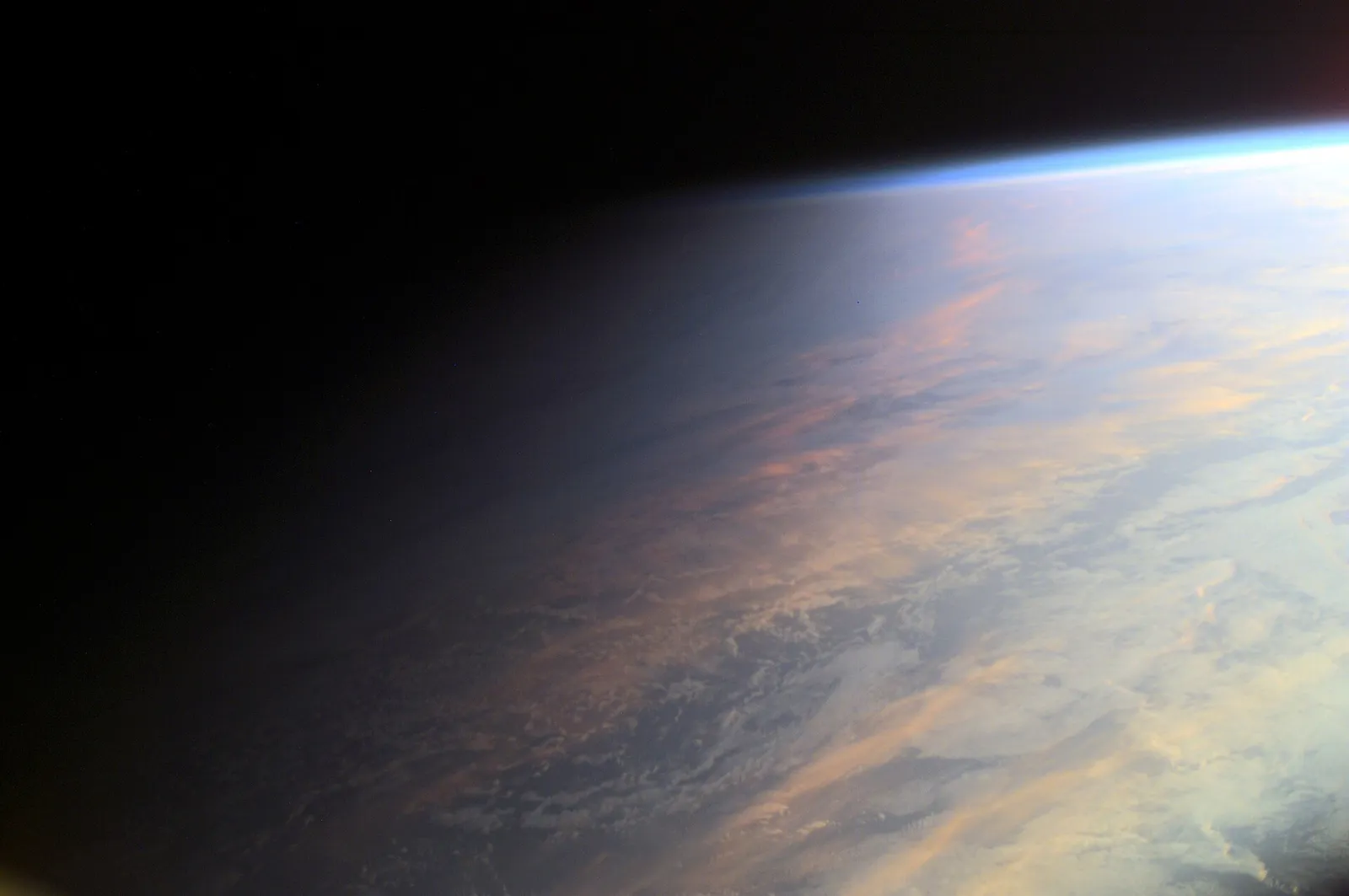
At roughly midday over the stretch of the planet running through Africa, Europe and into Asia, about 99 percent of the world's population will be in either daylight or twilight simultaneously, Al Jazeera reported. Only a small slice of humanity will be in darkness at that instant.
It's about where people live
The explanation is human geography, not astronomy. Roughly 85 to 90 percent of the world's people live in the Eastern Hemisphere, concentrated across Asia, Africa and Europe. When the sun is over those densely populated landmasses, almost everyone on the planet happens to be on the daytime side of Earth. The places left in darkness, much of the Pacific, and countries like Australia and New Zealand, hold comparatively few people despite covering a lot of the globe.
That is the key distinction: the 99 percent figure counts people, not land or ocean. A huge share of Earth's surface can be dark while only a sliver of its population is.
Not a rare event
Despite how it is often shared, this is not a once-a-year astronomical anomaly. The near-universal daylight window recurs for weeks around this time of year, roughly from mid-May through mid-July, with early July near its peak, Time and Date reported. The timing traces to Earth's tilt: after the June solstice, the sun's most direct light sits over the northern, heavily populated latitudes, nudging the numbers to their highest.
A fun fact, not a phenomenon
So Wednesday is worth a moment's appreciation, just for the right reason. The sun is not shining on more of the Earth than usual; nothing unusual is happening overhead. What the statistic really captures is how lopsidedly humanity is distributed across the planet, so much so that, for a little while each summer, day breaks for almost all of us at once.