

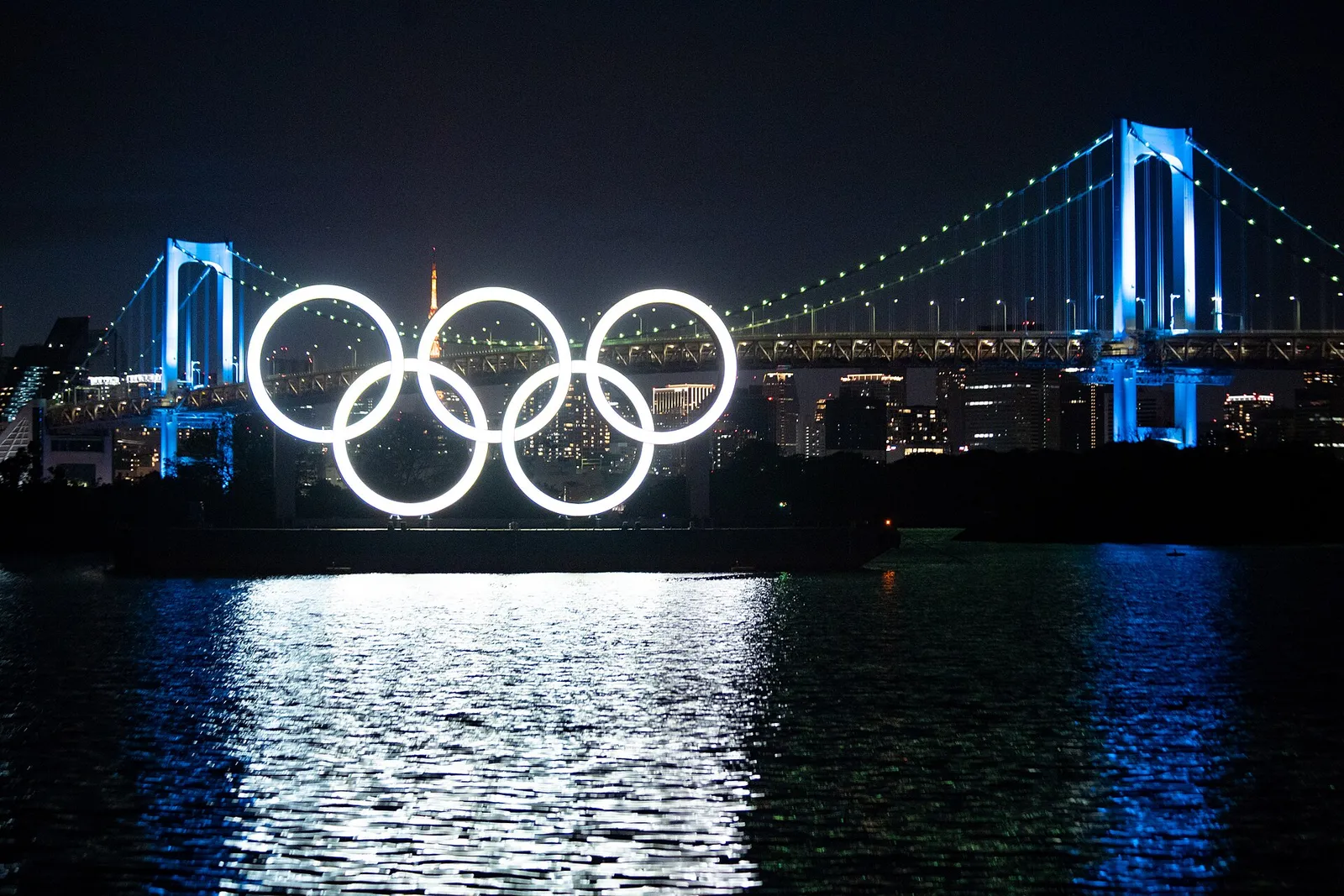
The International Olympic Committee signaled on Tuesday that it is ready to loosen the restrictions that have kept Russian and Belarusian athletes at the margins of international sport, a move that reaches directly toward the 2028 Los Angeles Olympics.
What the IOC did
At an executive board meeting in Lausanne, Switzerland, the IOC recommended ending the three-year system under which Russian and Belarusian athletes have been individually vetted before competing as neutrals, ESPN reported. In place of that case-by-case screening, the athletes would be cleared through anti-doping requirements, including multiple tests and participation in recognized testing programs, ABC News reported.
Crucially, the step is not a full reinstatement. The IOC has not decided whether Russia and Belarus may compete under their own flags and anthems, saying that determination would come "at an appropriate time," ABC News reported.
How the current system works
Since the 2022 invasion of Ukraine, Russian and Belarusian athletes who have been allowed to compete internationally have done so as neutrals, without their national flags, anthems or team identifications, and under tight eligibility conditions. The effect was stark: only 32 athletes from the two countries were cleared to compete as neutrals at the 2024 Paris Olympics, ESPN reported, a fraction of the hundreds Russia had sent to previous Games.
The change is unfolding under the IOC's president, Kirsty Coventry, who took office this year.
The stakes for Los Angeles
The recommendation matters most for what comes next. Los Angeles hosts the 2028 Summer Games, and the pathway the IOC now sets will shape how, and under what banner, Russian and Belarusian athletes appear there. The organization sought to frame the change carefully, reaffirming its "solidarity" with Ukraine's Olympic community and saying it would not stage events in Russia or invite Russian officials, ESPN reported.
An unresolved debate
Ending the vetting system is likely to reopen a contentious argument that has run through the sports world since the war began, between those who see continued restrictions as a necessary stance against the invasion and those who argue athletes should not be punished for their governments' actions. The IOC's move edges toward the latter position without fully embracing it, leaving the most sensitive question, whether Russia will march into the Los Angeles Coliseum under its own flag, for another day.