

A German company's plan to build a working fusion power plant just drew backing from Silicon Valley. Google has invested in Proxima Fusion as part of a new funding round, joining the German energy company RWE and other backers, CNBC reported.
The deal
The round raised roughly 411 million euros, or about $468 million, and valued Proxima Fusion at around 2.4 billion euros, CNBC reported. The money is meant to speed the company's push from research toward hardware and, eventually, a power plant. Google's exact stake was not the headline; its presence was, a signal of how seriously large technology firms, hungry for clean power to run data centers, are taking fusion.
Who Proxima is
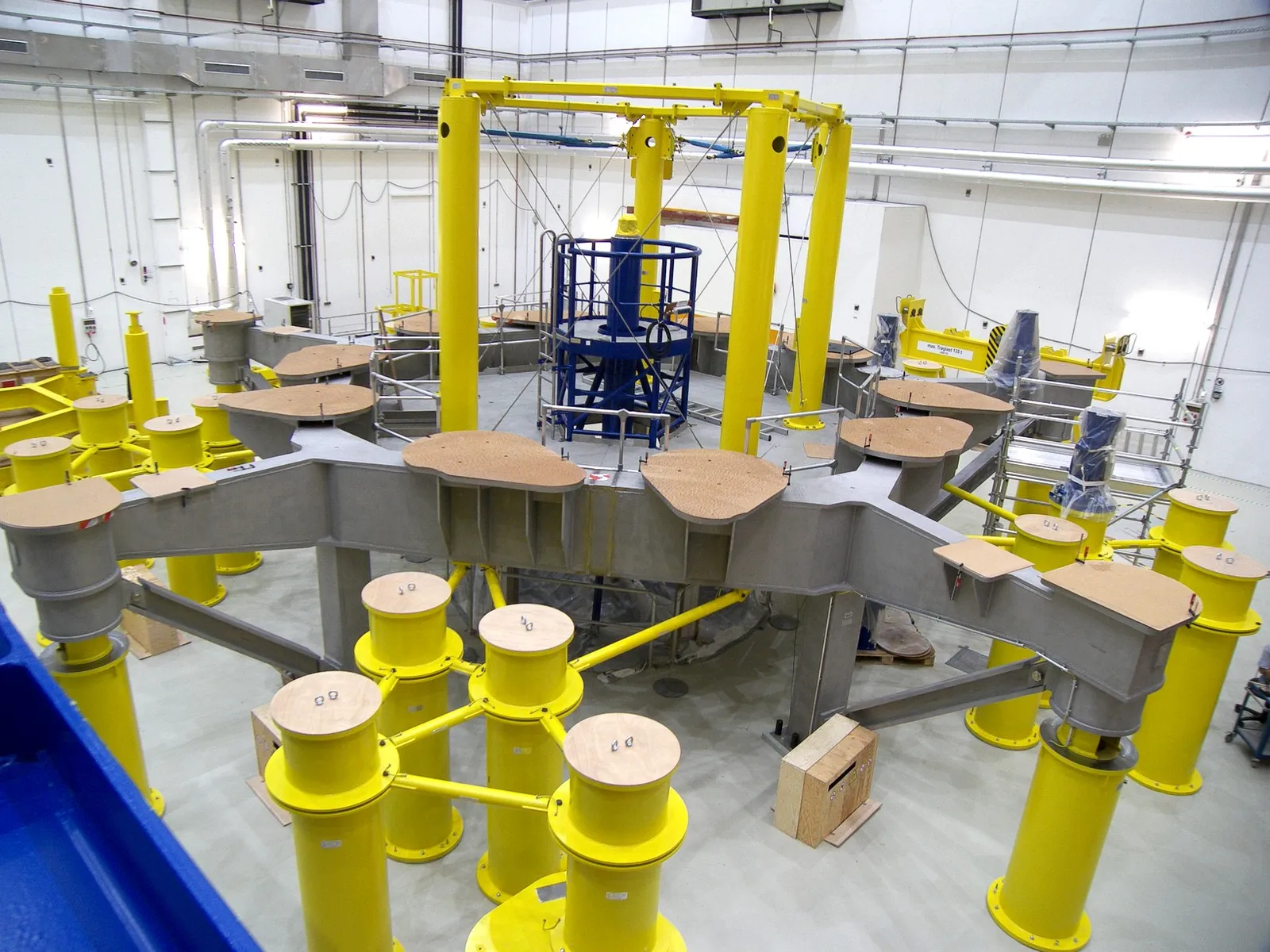
Proxima Fusion was founded in 2023 as a spinout of Germany's Max Planck Institute for Plasma Physics, home to decades of fusion research. It is pursuing a design called a stellarator, a machine that uses intricately shaped magnetic coils to bottle up superheated plasma. Stellarators are less common than the doughnut-shaped tokamaks that dominate fusion research, but their backers argue they are better suited to running continuously, an advantage for a commercial plant.
The approach builds on the Max Planck institute's Wendelstein 7-X, one of the world's most advanced experimental stellarators.
What it wants to build
The company's ambition is to construct Europe's first commercial fusion plant, working toward a demonstration machine in the early 2030s before a full-scale plant, CNBC reported. It has laid out plans with RWE and partners in Bavaria to site future facilities where nuclear infrastructure and grid connections already exist.
The reality check
For all the money and ambition, fusion remains experimental. No plant anywhere yet produces net electricity for the grid from fusion, the technology's timelines have a long history of slipping, and the engineering and regulatory path to a commercial reactor is unproven. Investments like Google's accelerate the work; they do not guarantee it will arrive on schedule, or at all.
What the deal does show is momentum. Fusion has moved from a purely public, laboratory pursuit toward a field drawing serious private capital, and Proxima's backing places a European contender, and a German one, near the front of that race.