

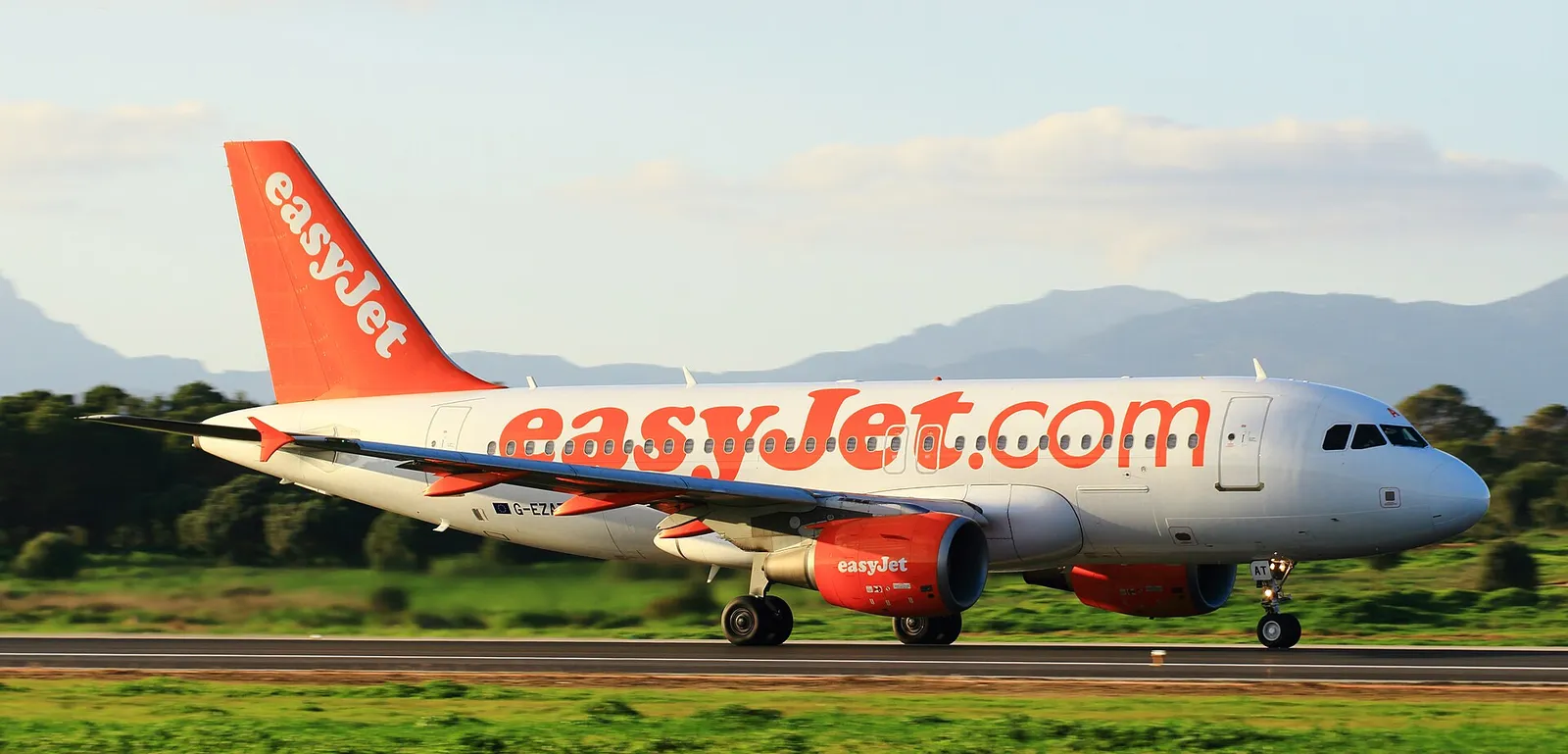
One of Europe's best-known low-cost airlines may be about to change hands. EasyJet said it had agreed in principle to a buyout by Castlelake, a Minneapolis-based investment firm that specializes in aviation finance.
The terms
Castlelake's offer of £6.90 a share values EasyJet at around £5.2 billion, or about $7.3 billion, CNBC reported. The agreement is in principle rather than final, and under British takeover rules Castlelake faces a deadline in early August to firm up a formal offer or walk away, the BBC reported. It followed a series of approaches that EasyJet had earlier rebuffed.
Investors welcomed the news. EasyJet's shares jumped about 10 percent after the announcement, according to CNBC, extending a run-up driven by takeover speculation.
A rough year behind the deal
The backdrop is a difficult stretch for the airline. EasyJet reported a first-half loss of roughly £552 million in 2026, hit hard by a jump in jet fuel prices tied to this year's conflict in the Middle East, which also weighed on travel demand, CNBC reported. That pressure helped turn a company that had spurned earlier bids into a more willing seller.
For Castlelake, which lends to and invests in the aviation industry, the timing offered a chance to buy a well-known carrier at a moment of weakness, with a plan to steady it.
Why some are skeptical
Not everyone is convinced the deal will close at this price, or at all. Some large shareholders are pushing for a higher offer, and analysts have flagged questions about corporate governance and about whether enough investors will back the terms, CNBC reported. The market's muted enthusiasm, with the shares trading below the offer, reflects doubt that the transaction is a sure thing.
There are structural hurdles too. European rules require airlines that fly within the bloc to be majority-owned and controlled by European interests, so any deal would have to be arranged to keep EasyJet compliant, an arrangement still to be worked out.
What comes next
The coming weeks will show whether the agreement in principle becomes a binding offer, whether rival bidders emerge, and whether EasyJet's shareholders, including its founder, decide the price is right. For now, one of the airlines that made cheap European flying a mass-market habit is, at least tentatively, up for sale, and the market is watching to see if the buyer follows through.