China sent a ballistic missile arcing across the Pacific on Monday, a show of its growing strategic reach that Beijing framed as ordinary military business and that unsettled governments across the region.
What China launched
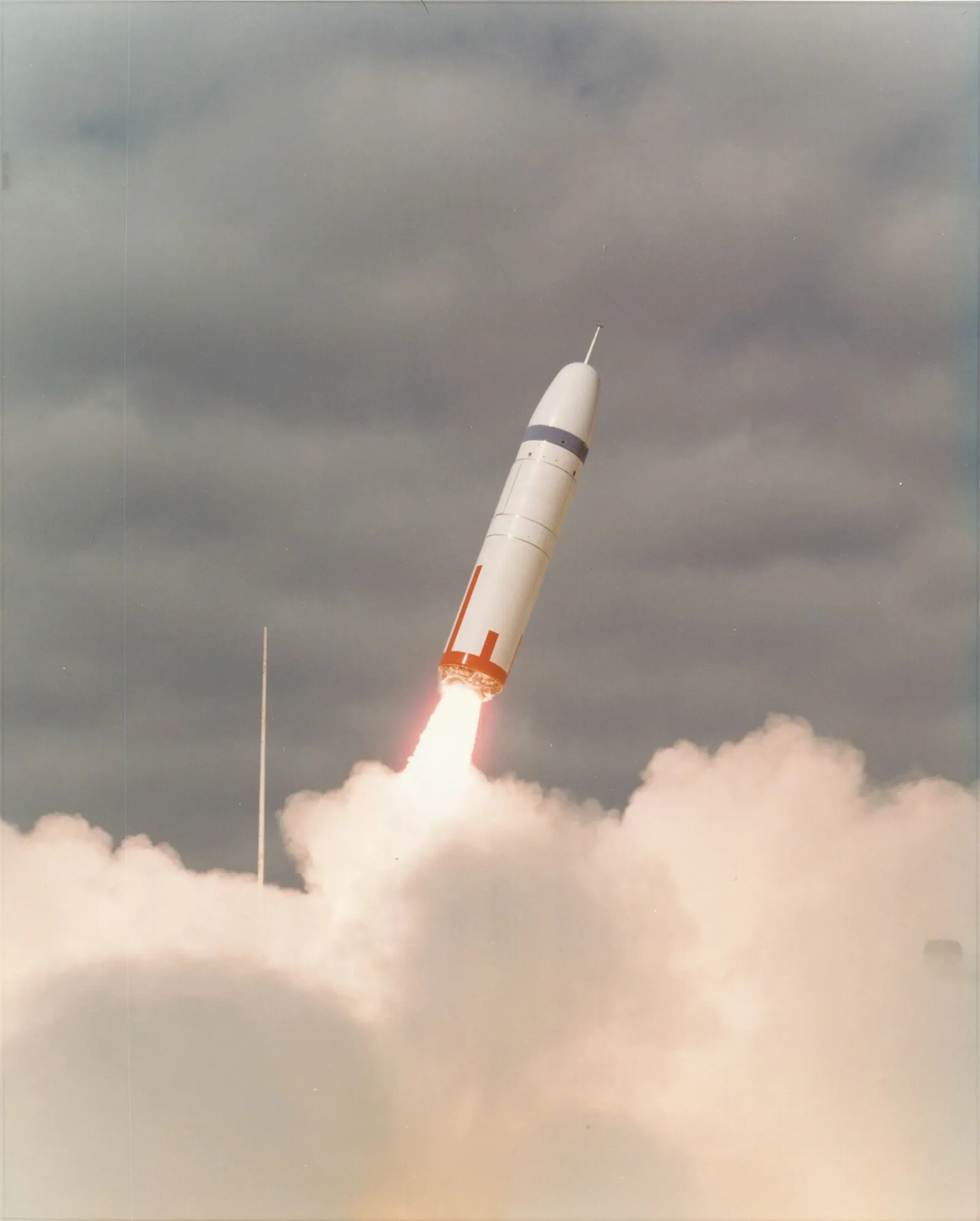
The Chinese navy fired the missile from a submarine into the Pacific, with the weapon carrying a dummy warhead toward international waters, SBS News reported. Chinese state media described the launch as part of the military's annual training and said Beijing had notified relevant countries in advance, in line with international rules.
Submarine-launched ballistic missiles are among the most closely watched weapons in any nuclear arsenal, because they can be hidden at sea and are designed to survive a first strike. A test that sends one across the open Pacific is both a technical demonstration and a message.
An 'unsettling' launch for the region
The reaction from neighbors was wary. Australia's foreign minister, Penny Wong, confirmed that China had given her government advance notice but called the test destabilizing. "This proposed test is in the context of a rapid military buildup by China, which is lacking in the transparency and reassurance as to intent that the region expects," Wong said, according to SBS News.
Japan was also alerted, with Chinese authorities warning that debris could fall near Japan's exclusive economic zone, though the missile ultimately came down outside it, SBS reported. The launch alarmed regional powers who see it as part of a broader pattern, Reuters reported.
Beijing's case, and its critics'
China casts these launches as legitimate, routine and properly announced, the normal activity of a major military that follows international norms. Its critics do not necessarily dispute that a given test breaks the rules, but argue that the pace and secrecy of China's overall buildup, especially its expanding nuclear forces, make each new demonstration a source of anxiety rather than reassurance.
That tension, between what is technically permitted and what neighbors find threatening, has become a recurring feature of security in the Asia-Pacific.
A pattern of longer reach
The test fits a trajectory. In 2024, China fired an intercontinental ballistic missile into the Pacific in what was widely reported as its first such open-ocean test in decades, a launch that similarly drew regional criticism. Analysts have tracked a steady expansion of China's missile and nuclear capabilities in recent years.
For governments from Canberra to Tokyo, and for the United States, which anchors the region's security order, Monday's launch is another data point in a longer question: how to respond to a China that is building the tools of a first-rank military power, and testing them farther from its own shores.