

China's rise in electric vehicles followed a now-familiar pattern: heavy state backing, a dense supply chain, and a willingness to scale fast until the rest of the world was playing catch-up. The country is trying to run the same playbook on autonomous ride-hailing. But robotaxis are proving to be a harder, and riskier, business than building cars.
Who is leading
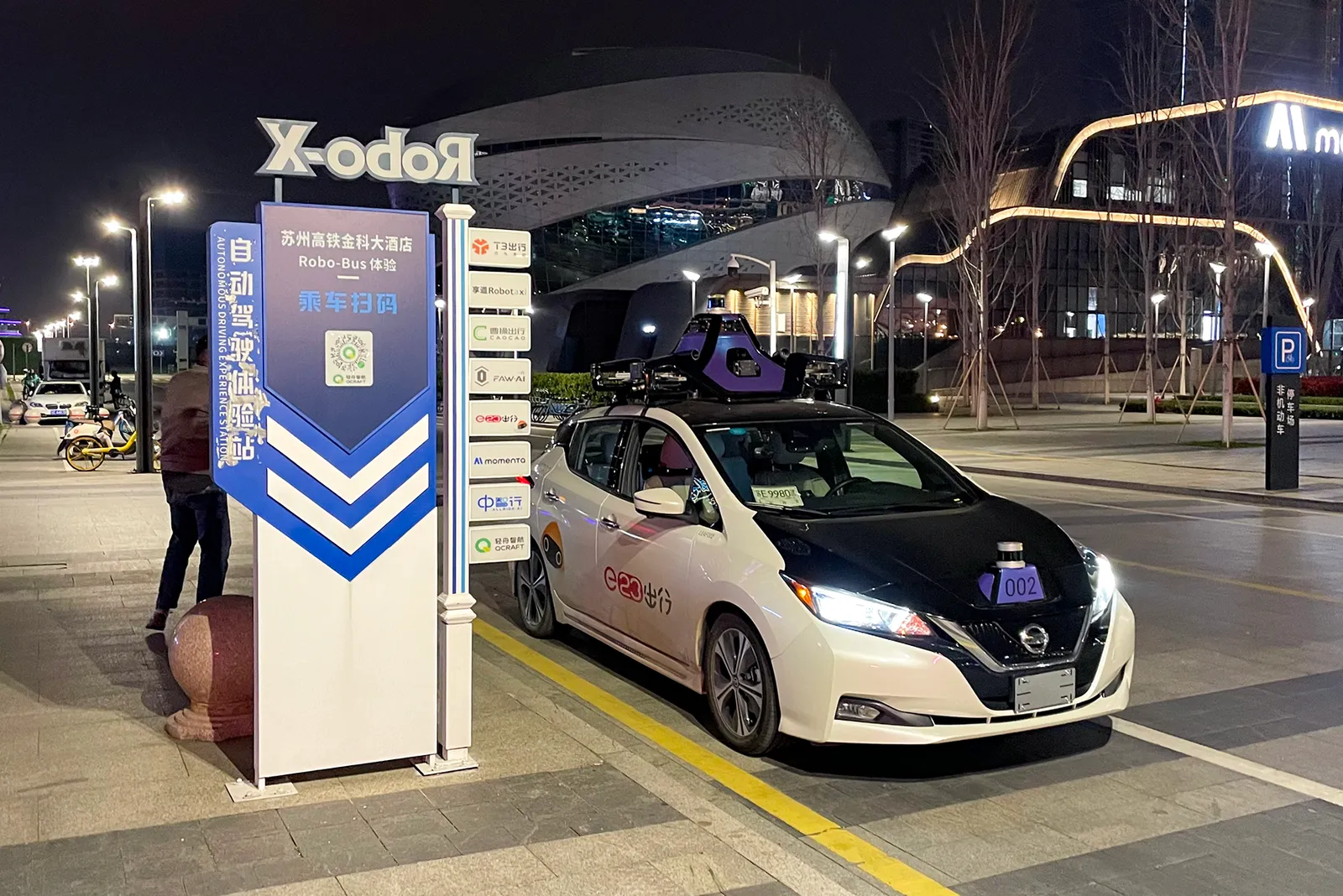
China's robotaxi push is spearheaded by a handful of well-funded operators, chief among them Baidu, whose Apollo Go service runs driverless rides in a number of Chinese cities, along with rivals such as Pony.ai and WeRide, Fortune reported. The companies have expanded quickly, adding cars and cities in the kind of aggressive rollout that characterized the country's EV boom.
In the United States, the field is led by Alphabet's Waymo, the clear front-runner in paid driverless rides, with Tesla a more recent and far smaller entrant. The contrast that Chinese firms like to draw is one of pace and scale: more cars, more cities, sooner.
A malfunction, and a regulatory jolt
The speed has come with scares. On March 31, more than 100 of Baidu's Apollo Go vehicles froze at once in Wuhan, with some stalling on overpasses and passengers left stranded for up to two hours, Fortune reported. In response, Beijing suspended new autonomous-driving permits nationwide, halting fleet expansions, tests and entries into new cities.
That reaction stood out. Where China moved to pause the industry after a single mass failure, the article noted, U.S. authorities have taken no comparable federal step despite a series of incidents involving American robotaxis, from collisions with fixed objects to vehicles blocking emergency responders during a San Francisco power outage.
Safety and the profit question
The industry's own leaders concede the technology will never be flawless. Autonomous vehicles "likely will never be 100% safe, but they would be 10 times safer than humans within a decade," WeRide's chief executive said, according to Fortune. Winning public trust after episodes like Wuhan is a hurdle no amount of manufacturing muscle can simply overpower.
Money is the other open question. Running fleets of expensive, sensor-laden cars profitably has eluded operators everywhere, and it is not yet clear when, or whether, robotaxi services will consistently make money rather than burn it.
Where the EV parallel breaks down
The comparison to electric cars is where the story gets complicated. China's EV dominance rests on exports: batteries and vehicles built at home and sold worldwide. Robotaxis do not travel so easily. A driverless service has to be mapped, approved and operated city by city, and it depends on the trust of local riders and regulators, none of which can be shipped in a container.
So China may well keep deploying robotaxis faster than anyone else. But turning that lead into the kind of global advantage it built in electric vehicles will require solving problems, of safety, profit and trust, that its factories alone cannot.