
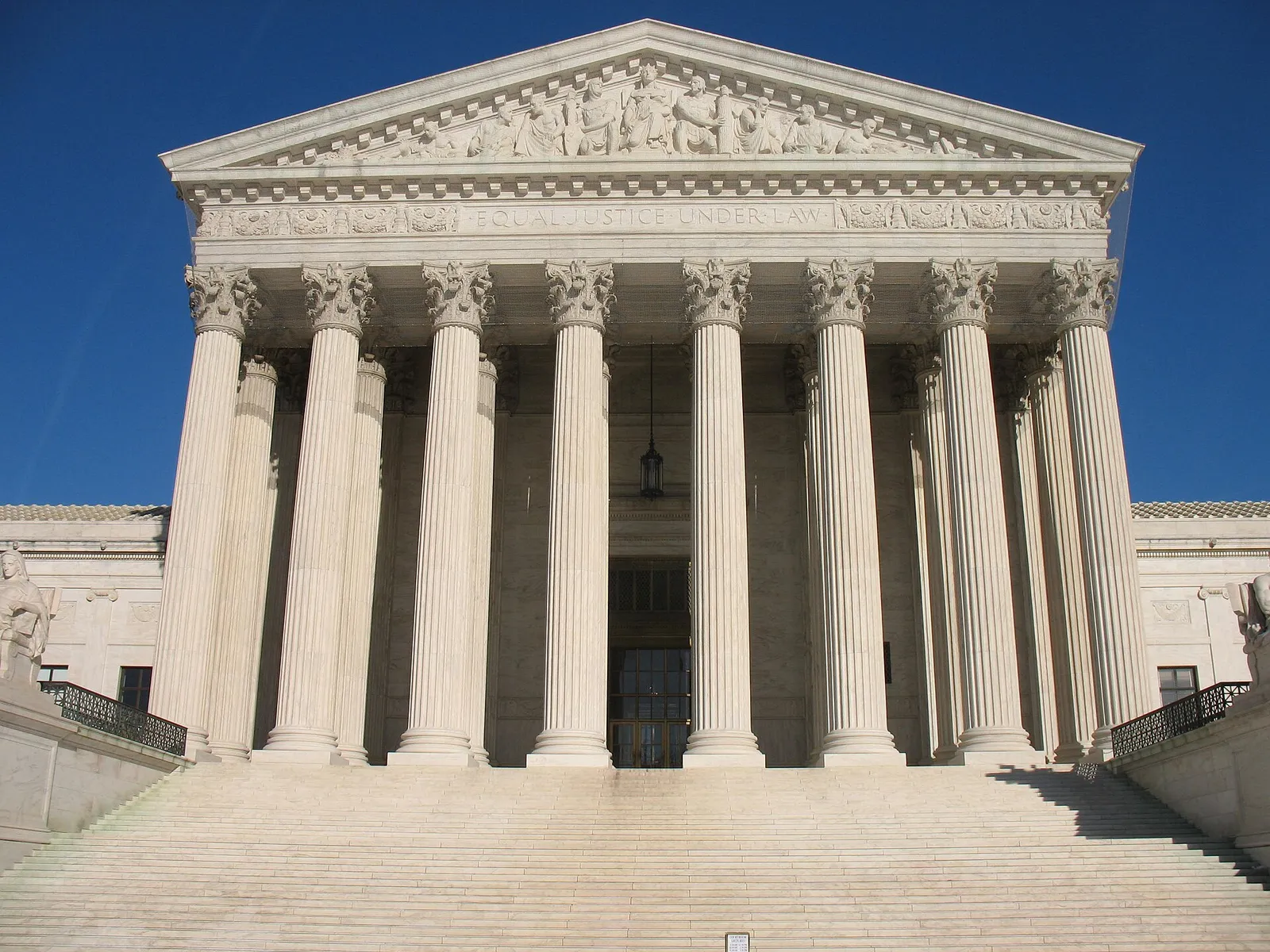
A first-of-its-kind Texas law aimed at keeping children off unsuitable apps can move forward, after the Supreme Court on Monday turned away an emergency bid by the technology industry to put it on hold.
What the court did
The justices declined to block the Texas law while a court challenge plays out, Reuters reported. The order is a procedural one, allowing the law to take effect for now rather than a final ruling on whether it is constitutional. That fight will continue in the lower courts.
What the law requires
The measure, known as the App Store Accountability Act, puts the burden of checking ages on the app stores themselves. It requires stores run by companies like Apple and Google to verify a user's age using what the law calls "commercially reasonable methods," to link a minor's account to a parent or guardian, and to obtain that adult's consent before a minor can download an app or make an in-app purchase, the Texas Tribune reported. App developers are also required to assign age ratings to their products.
The two sides
The challenge was brought by the Computer & Communications Industry Association, a trade group whose members include Apple, Google, Meta and Amazon, Reuters reported. The industry, which has also pressed similar arguments through the group NetChoice, contends that mandatory age checks raise First Amendment and privacy concerns, forcing services to collect sensitive information about all users, adults included, and burdening protected speech.
Texas and its supporters see it differently. Twenty-seven other states joined Texas in urging the court to let the law stand, arguing that age verification is a reasonable tool to protect children online. Child-safety advocates have backed such measures as a way to give parents more control over what minors can access.
A broader trend
The Texas case is one front in a fast-moving national push to require age verification online. States have passed a wave of laws aimed at social media, pornography and now app stores, and the Supreme Court has already signaled some openness to them, having upheld a separate age-verification requirement for adult websites in a recent term. Courts have split over where such laws cross constitutional lines, which is why the industry sought the justices' intervention here.
What happens next
With the high court declining to intervene, the Texas law is in force while the underlying lawsuit proceeds. How that case is ultimately resolved, in Texas and potentially back at the Supreme Court on the merits, will help set the rules for how, and whether, states can require the companies that run the internet's front doors to check who is walking through them.