


A tense standoff in the Persian Gulf broke into open conflict again this week, as the United States struck Iranian targets and cut off Tehran's ability to sell oil, and Iran struck back at American bases across the Gulf. Within a day, a truce that had quieted the region for weeks appeared to have collapsed.
The strikes
U.S. Central Command said it had launched "a series of powerful strikes" against Iran to "impose heavy costs" for targeting commercial shipping crewed by civilians in an international waterway, Al Jazeera reported. U.S. officials said the strikes hit more than 80 targets, including air defenses, radar and anti-ship missile sites and more than 60 small boats used by Iran's Revolutionary Guard Corps, with sites in southern Iran including the island of Qeshm, the port of Sirik and the Bushehr area, CBS News reported. Casualties were not immediately detailed.
Iran strikes back
By Wednesday morning the conflict had widened. Iran's Revolutionary Guard said it had launched retaliatory strikes on U.S. military installations in Bahrain and Kuwait, both home to major American bases, and missile-alert sirens sounded in Bahrain, CBS News reported. No casualty figures were confirmed. Iran's foreign minister, Abbas Araghchi, accused the United States of "major violations" of the understanding the two sides reached in June. Mr. Trump, for his part, warned Iran to reach a deal "or we're going to finish the job," CBS News reported.
What set it off
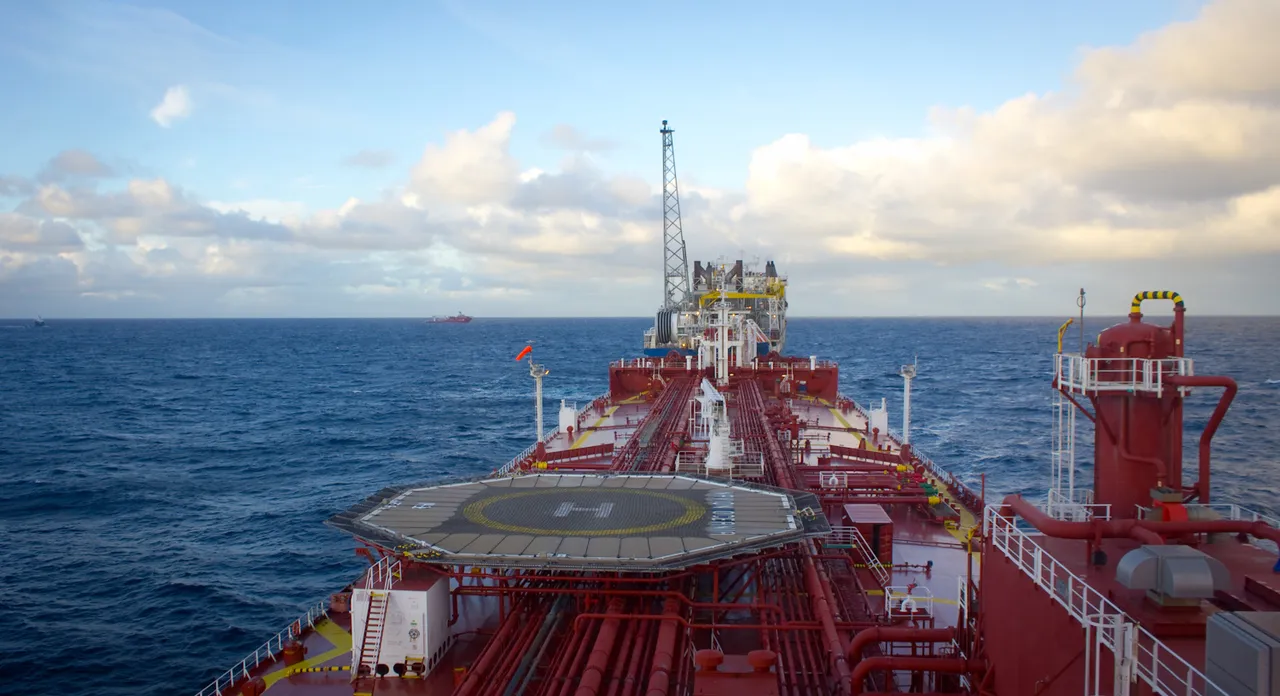
The strikes followed attacks on three commercial vessels in the Strait of Hormuz over the previous day. American, Qatari and Saudi officials blamed Iran for the attacks, Al Jazeera reported. Tehran did not directly claim responsibility but warned ships against transiting routes it had not approved, a dispute over passage through the strait that has become a flashpoint.
Cutting off the oil
Alongside the military action, the Treasury Department revoked a waiver that had permitted Iran to sell oil, a concession granted only weeks earlier as part of a truce. The revocation takes effect July 17; the waiver had been set to allow sales through late August, Al Jazeera reported. A U.S. official framed the deal as "entirely performance-based," saying Iran would "only reap benefits if they exhibit good behavior," as The Hill reported.
Iran's response
Iran called the move illegitimate. A deputy foreign minister described the revocation of the oil waiver as a "blatant violation" of the understanding the two sides had reached and said Tehran would take "decisive actions," Al Jazeera reported. Each side, in other words, accused the other of breaking the terms of a deal meant to calm the region.
Markets react
The effect on energy markets was immediate. Oil prices jumped about 5 percent, with Brent crude, the international benchmark, near $76 a barrel and West Texas Intermediate around $72, CBS News reported. The Strait of Hormuz is the conduit for a large share of the world's seaborne oil, and any threat to traffic there ripples quickly through global prices.
A truce unraveling
The ceasefire reached in June had only recently begun to steady the region and pull energy prices back toward where they sat before the fighting. Within a day of the tanker attacks, that calm had given way to strikes and counterstrikes across the Gulf, with each side accusing the other of shattering the deal. Whether the exchange spirals into the kind of wider war the truce had paused, or is pulled back from the brink, will depend on what comes next, in the strait, in Tehran and in Washington. For now, the quiet that had settled over the Gulf is gone.