

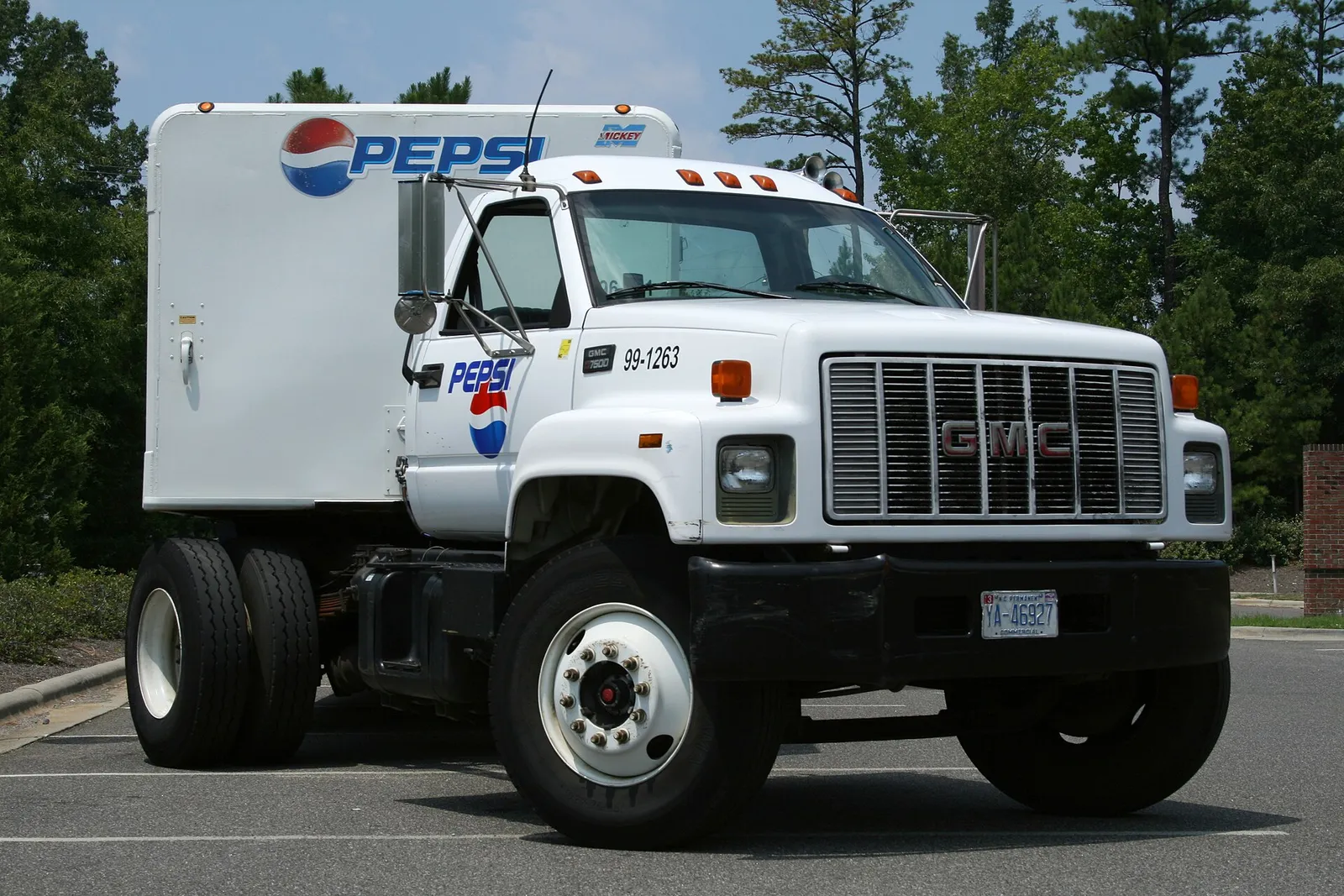
One of the country's biggest sellers of snacks and drinks says its customers are watching their wallets, and the numbers showed it. PepsiCo reported quarterly results on Thursday that missed profit forecasts, even as sales came in a bit better than expected.
The numbers
PepsiCo posted adjusted earnings of $2.20 per share, just under the roughly $2.21 that analysts had expected, while revenue of about $24.18 billion edged past estimates, Yahoo Finance reported. The narrow profit miss, paired with a slight revenue beat, pointed to a company selling about as much as expected but earning less on it. The stock slipped in premarket trading.
A softer U.S. consumer
The weakness was concentrated at home. PepsiCo said its North American beverage volumes fell and its Frito-Lay snack business softened, even after the company cut prices on flagship chip brands earlier in the year to try to coax shoppers back, Yahoo Finance reported. Executives tied the slowdown to households tightening their budgets amid persistent inflation and higher everyday costs like gasoline.
"Our North America business was softer than we anticipated in the second quarter," the company's finance chief, Steve Schmitt, said, adding that PepsiCo now expects a "more gradual improvement" for the rest of the year, according to Yahoo Finance.
Where it held up
There were bright spots. Smaller, cheaper multipacks sold well, a sign that shoppers are still buying but trading down to more economical sizes, and zero-sugar sodas and some better-for-you snacks held up, Yahoo Finance reported. PepsiCo's international business also grew, helping offset the domestic softness. The company kept its full-year targets in place.
The bigger signal
For all its brand-specific detail, PepsiCo's quarter is the kind of report investors read as a gauge of the broader consumer. When a company whose products are cheap, everyday treats says people are cutting back, it suggests the belt-tightening is reaching even small indulgences. Whether that is a temporary squeeze or a longer shift in how Americans spend is the question hanging over the packaged-food and beverage industry, and PepsiCo's cautious tone for the second half suggests it is not counting on a quick rebound.