A presidential command collided this week with a stubborn fact of energy economics: the Oval Office doesn't set the price of gas.
'Immediately'
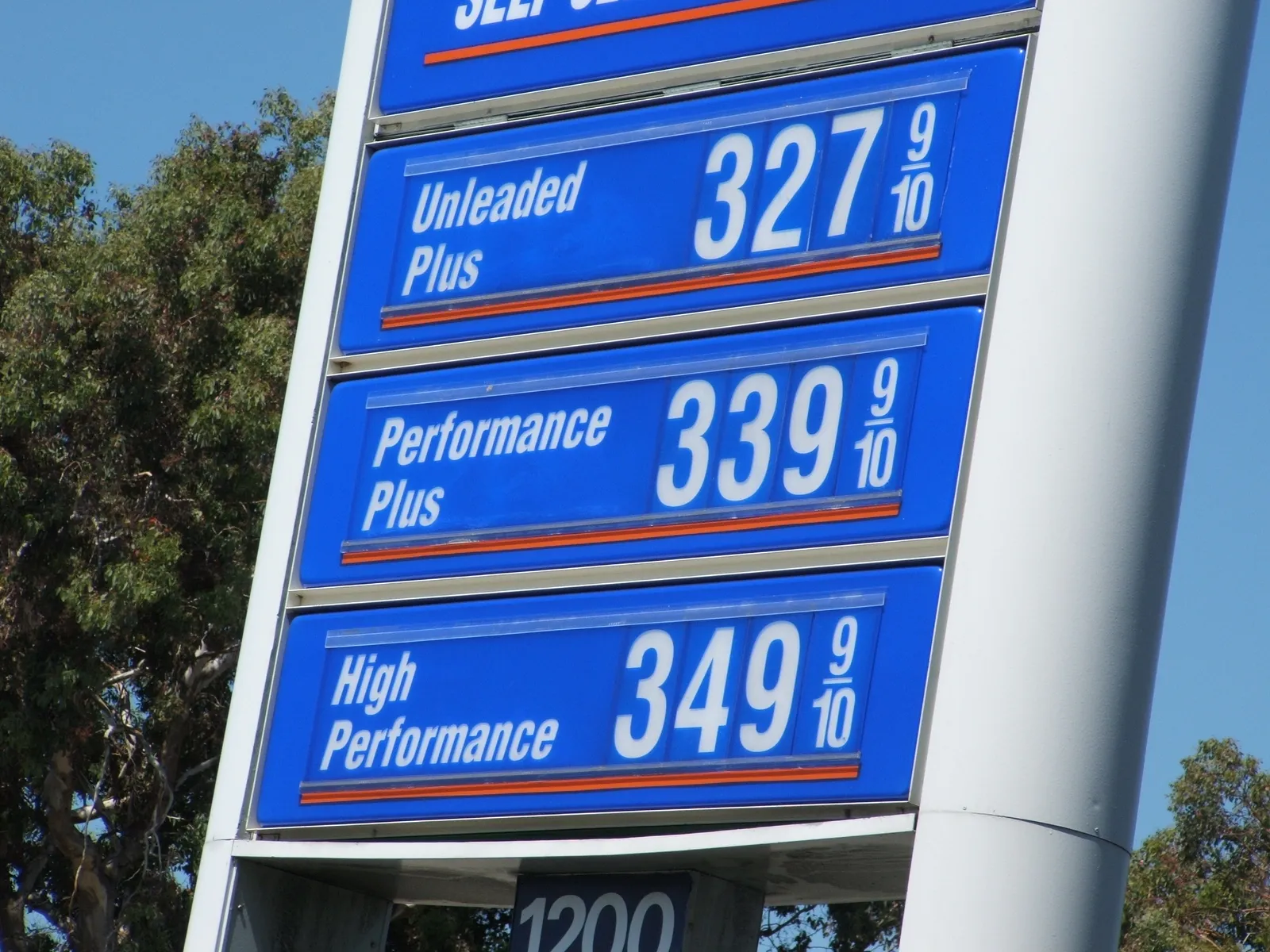
In a series of posts on Truth Social, Trump demanded that gasoline retailers cut prices "IMMEDIATELY," setting a target of "around the $2.50 a Gallon number" and warning that "if Retailers don't do this, big problems lie ahead," Al Jazeera reported. The posts landed as AAA put the national average for regular unleaded at about $3.86 a gallon — more than a dollar above his goal, though down from roughly $4.39 a month earlier as crude markets eased.
Why the pump lags
The president's frustration has a real root, even if his remedy is contested. Pump prices had climbed after U.S. strikes on Iran earlier this year stoked fears that the Strait of Hormuz — through which about a fifth of the world's oil flows — could be disrupted. A fragile ceasefire has since calmed those fears, and benchmark U.S. crude fell back toward roughly $70 a barrel. But retail prices lag crude by days to weeks, filtered through refinery margins, distribution and taxes; when oil falls, the savings reach the pump only gradually. Energy economists have long held that pump prices are set by global commodity markets, not by directive — a point analysts repeated this week.
Pressure from Washington
This was not Trump's only recent move on fuel. He has directed the Justice Department to investigate major oil companies over alleged price "gouging," arguing they are pocketing lower crude costs rather than passing them on, and has invoked emergency powers around West Coast supply. Whether those steps move the market, or mainly the political conversation, is far from clear.
Los Angeles feels it most
For Southern California drivers, the gap between the president's target and reality is widest. AAA's state tracker put California's regular-grade average around $5.45 a gallon — second only to Hawaii and nearly $1.60 above the national mean — and the U.S. Energy Information Administration recently pegged the broader West Coast above $5. California's premium reflects the nation's highest fuel taxes, a unique cleaner-burning fuel blend, limited pipeline links and tight refinery capacity — structural costs a social-media post is unlikely to move. Gov. Gavin Newsom, a frequent Trump antagonist, has clashed with the administration over energy and environmental policy, and the president's repeated singling out of California has made gas prices as much a political flashpoint as an economic one. For now, the $2.50 benchmark looks a long way off.