


President Trump on Friday threatened to impose a 100% tariff on all goods from any country that taxes American technology companies, sharply escalating a long-running transatlantic fight over how — and where — the world's digital giants should be taxed.
A blunt ultimatum
In a post on his Truth Social platform, Trump warned that any nation enacting a so-called digital services tax on U.S. firms "will immediately be met with a 100% TARIFF on any and all Goods sent to the United States," according to PBS NewsHour and the Associated Press. Crucially, the threat applies not just to tech products but to every export a country sends to the American market.
Trump framed the levies as discriminatory measures aimed at U.S. industry, and he said the new penalty would override trade agreements already on the books. He singled out Britain, which has charged a 2% digital services tax on search engines, social media platforms and online marketplaces since 2020, the Associated Press reported.
What a digital services tax is
A digital services tax, or DST, is a levy on the revenue large technology platforms earn from users in a given country — through online advertising, digital marketplaces, social networks and search. Unlike a conventional corporate income tax, it does not require a company to have offices or staff in the country; it applies based on where the users are.
Supporters argue DSTs capture revenue from hugely profitable digital businesses that otherwise book their profits in low-tax jurisdictions. Critics, especially in Washington, counter that the taxes single out American firms, since few homegrown European companies operate at the scale that triggers the thresholds. Across Europe, roughly a dozen countries — among them the United Kingdom, France, Spain, Italy and Austria — have adopted some version of the tax, with rates generally ranging from 2% to 5%, according to the Tax Foundation.
Why California has the most at stake
The companies most exposed are among the most valuable in the world, and the largest are based in California: Apple in Cupertino, Google parent Alphabet in Mountain View, and Meta in Menlo Park. Amazon, though headquartered in Washington state, runs cloud and advertising businesses that fall squarely within DST definitions.
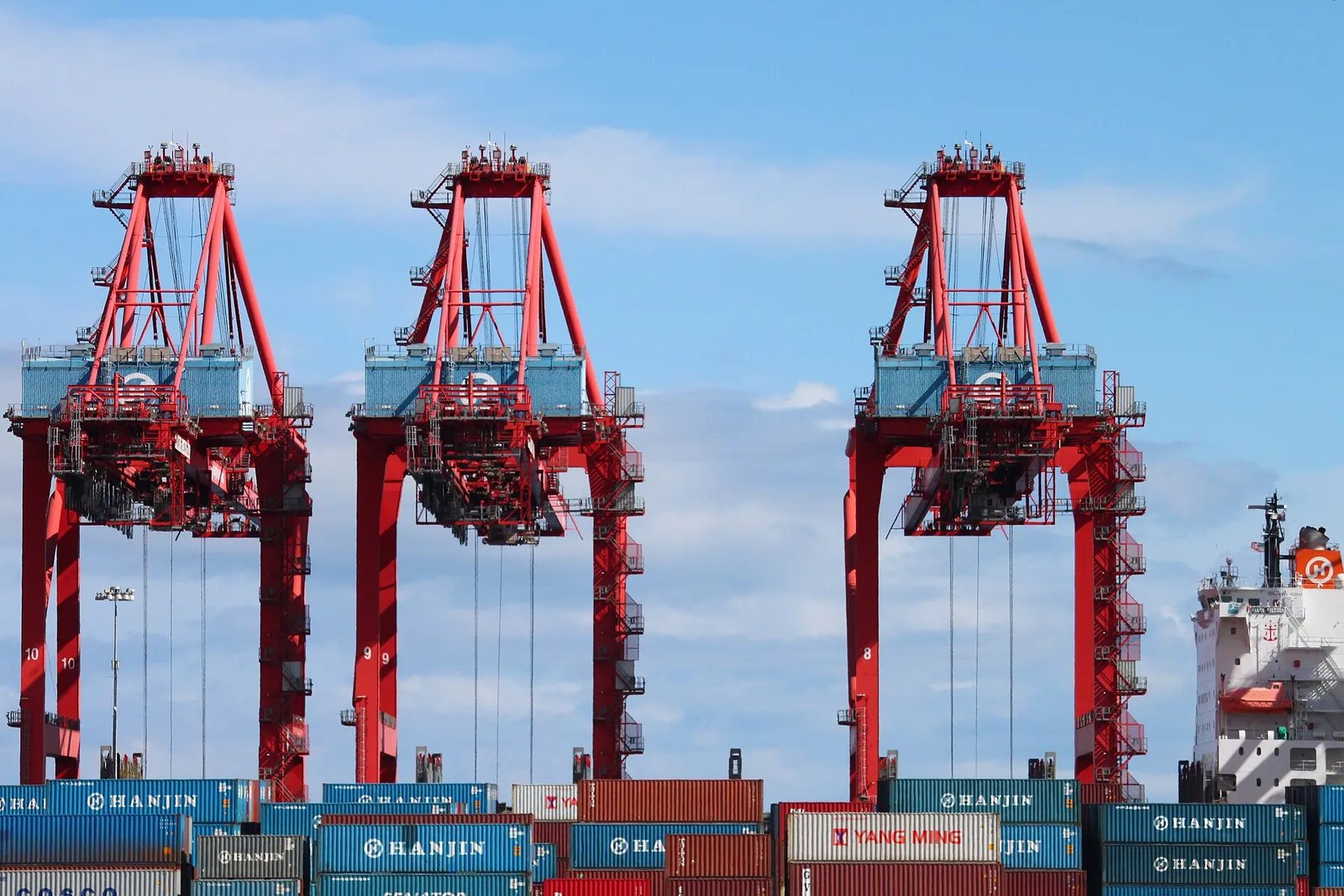
For California's technology sector — the engine of one of the largest regional economies on the planet — the consequences would extend well beyond the marquee names. A drawn-out trade war over digital taxation could ripple through advertising markets, cloud contracts and the dense web of startups and suppliers that orbit the state's tech giants. The goods caught in any retaliatory tariff, meanwhile, would flow through ports like Los Angeles and Long Beach, the busiest container gateway in the country.
A fight with history — and a deadline
This is not the first time the administration has wielded tariffs against digital taxes; it raised similar threats in 2025. The dispute reflects a deeper problem that has frustrated negotiators for years: as commerce migrates online, governments are struggling to tax revenue that crosses borders with no physical footprint. The Organization for Economic Cooperation and Development has long sought a global framework that would make country-by-country DSTs unnecessary, but those talks have repeatedly stalled.
The timing makes the threat especially pointed. It arrives just before a July 4 deadline for a U.S.-EU trade deal that would cap most European tariffs at 15% — an arrangement that, as CBS News noted, left digital taxes unresolved and a continuing source of friction. How and when Trump would actually carry out a blanket 100% tariff remained unclear, as did whether he would target individual countries first or move broadly.