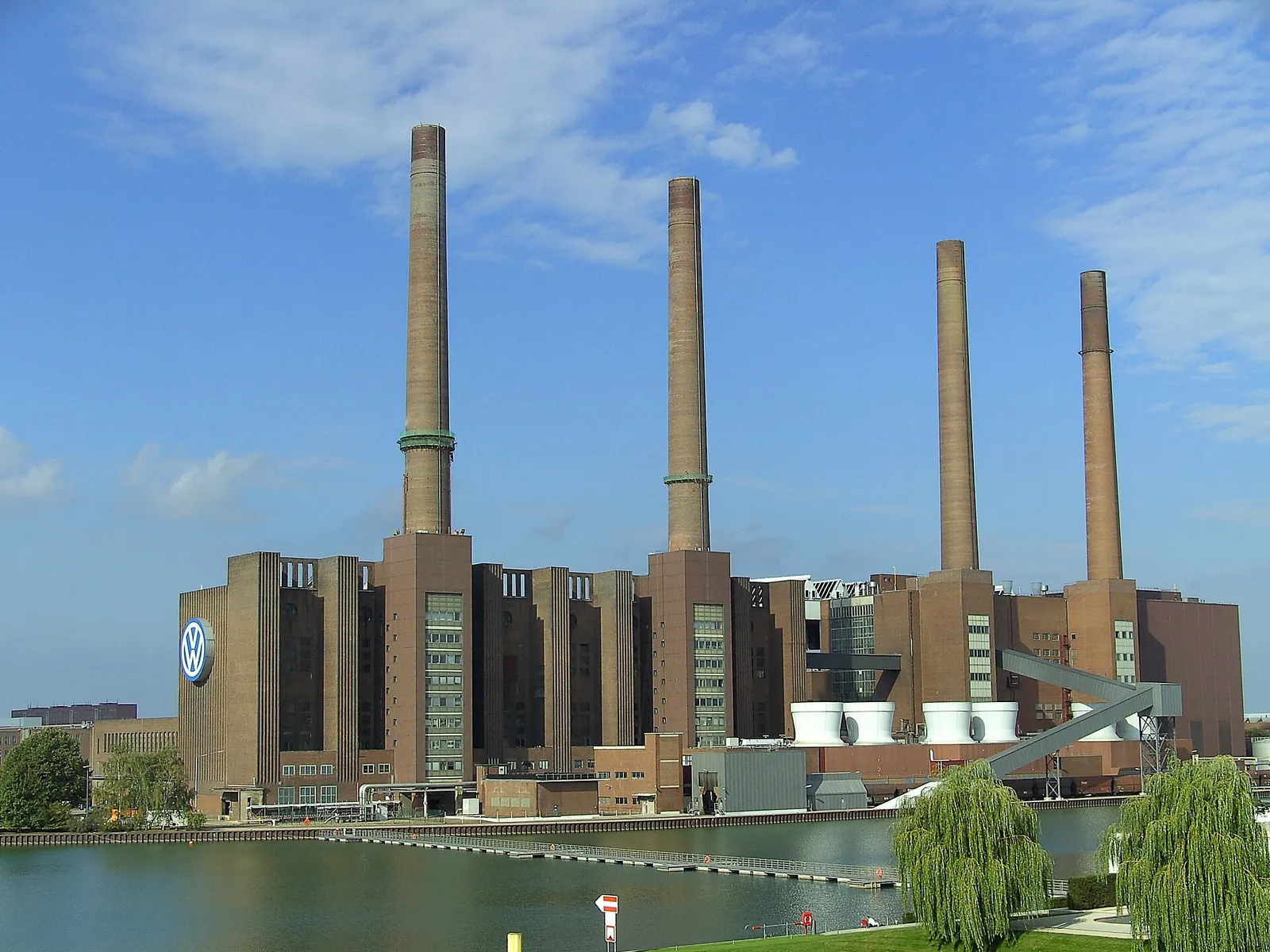
Volkswagen is weighing what would be the deepest restructuring in its history, reportedly considering the elimination of up to 100,000 jobs, roughly 16% of its global workforce, along with the closure of four plants in Germany. The scale of the reported plans has alarmed unions and regional governments, though the company has stopped short of confirming them and says no decision has been reached.
What is on the table
The sites said to be under consideration are three Volkswagen plants, in Hanover, Zwickau and Emden, along with an Audi factory in Neckarsulm. Together those four locations employ more than 45,000 people. A reduction on the scale reported would roughly double the target of about 50,000 cuts that the company and its unions agreed at the end of 2024.
Any move to shut German plants would run directly into that same agreement, which included a commitment to avoid domestic plant closures until at least the end of the decade. That tension is at the center of the fight now unfolding between management, labor and government stakeholders.
Why Volkswagen is under pressure
The company's troubles are the industry's in concentrated form. Margins on electric vehicles have proven thin, U.S. tariffs have added cost, and, above all, competition has intensified in China, the world's largest car market and long a profit engine for Volkswagen. Chinese manufacturers have moved quickly on price and technology, and foreign brands including Volkswagen have lost ground there.
A restructuring, but not yet the cuts
After tense talks with stakeholders, Volkswagen's management this month signaled it would sharply reduce its model lineup and further trim production capacity, but held back from announcing sweeping job cuts. The reported closure plans have instead opened a period of negotiation with the powerful IG Metall union, the company's works council and the government of Lower Saxony, which holds a large stake in the automaker and has resisted shutting factories.
Those parties carry real weight in a German company, where labor holds seats on the supervisory board and a voice in major decisions. Management, for its part, faces investors demanding a return to healthier profits. How that standoff resolves will determine not only Volkswagen's footprint but also what the transition to electric vehicles costs the workers and communities that built Europe's auto industry.