

A small experiment in the Arizona desert has ended — and what replaces it points to a more competitive era for driverless cars.
A pilot that ran its course
Waymo robotaxis are no longer bookable through Uber's app in Phoenix, both companies confirmed to TechCrunch. The wind-down was so quiet that many riders noticed only weeks later; the arrangement actually ended in May. Launched in 2023, it let Uber customers in Phoenix be matched with Waymo's fully driverless Jaguar I-PACE vehicles inside the Uber app — riders booked through Uber, but no one sat behind the wheel. The scope was deliberately small: Uber called it "an intentionally limited deployment, reaching just over a dozen vehicles." Waymo framed the end diplomatically, calling it "a productive pilot that paved the way for future expansions," while Uber said the partnership simply reached its contracted end date.
Not a breakup — just Phoenix
Crucially, the broader Waymo-Uber relationship continues. The two still operate together in Austin and Atlanta, where Uber says "hundreds" of Waymo vehicles are available exclusively on its platform — a far larger footprint than Phoenix ever had. The difference, analysts note, is that Phoenix was the one market where Waymo ran its own independent service and fed rides to Uber, making the dual arrangement redundant as Waymo's own fleet scaled. Waymo has folded the Phoenix cars back into its own app, and Uber says it is lining up a new, as-yet-unnamed autonomous partner for the city.
Waymo's expanding empire
The retreat reflects a company that no longer needs a partner's app to find riders. Waymo now runs roughly 4,000 vehicles across about a dozen U.S. metro areas and completes more than 500,000 trips a week, The Next Web reported, with plans to launch in many more cities and a newer, cheaper robotaxi to lower per-vehicle costs. In California it already runs paid service in San Francisco and Los Angeles — a foothold in the country's two largest media markets that matters as competition intensifies.
The Tesla factor
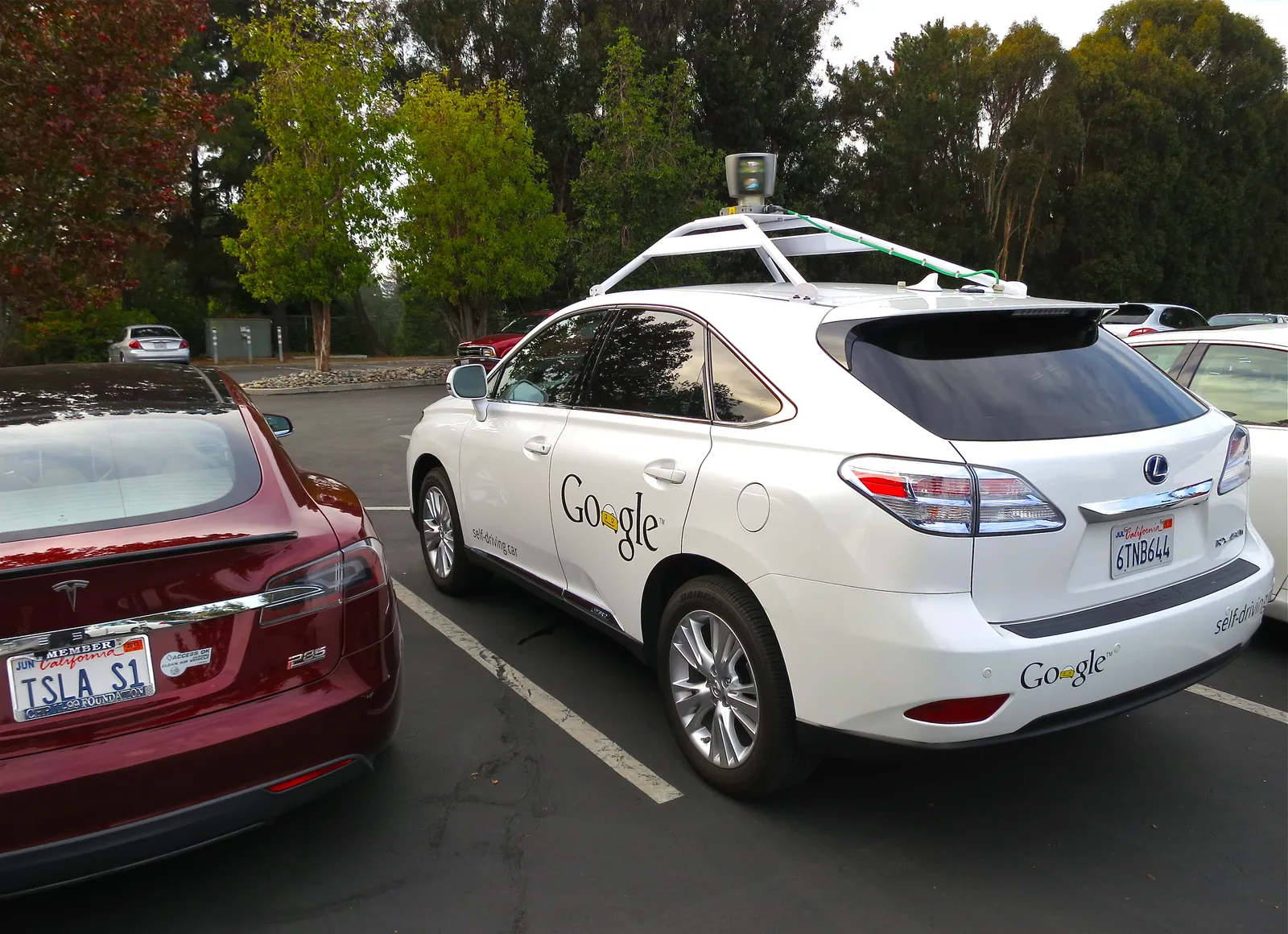
The most-watched rival is Tesla, which launched a robotaxi pilot in Austin in 2025 and has expanded to other Texas cities, but has not secured the permits to run driverless rides in California — leaving that market to Waymo for now. The two companies embody opposing bets: Waymo leans on a dense suite of lidar, radar and cameras, while Tesla wagers on cameras and AI alone. The quiet Phoenix exit hints at the bigger shift underway — from cozy AV-and-rideshare partnerships toward direct rivalry, as Uber seeds alternative suppliers and Waymo builds toward a world where riders book it directly.