The earthquakes that struck Venezuela on June 25 are a continent away from downtown Los Angeles. For Kelly Montano, they are as close as the phone she keeps checking for word of her mother and father.
A family caught in the collapse
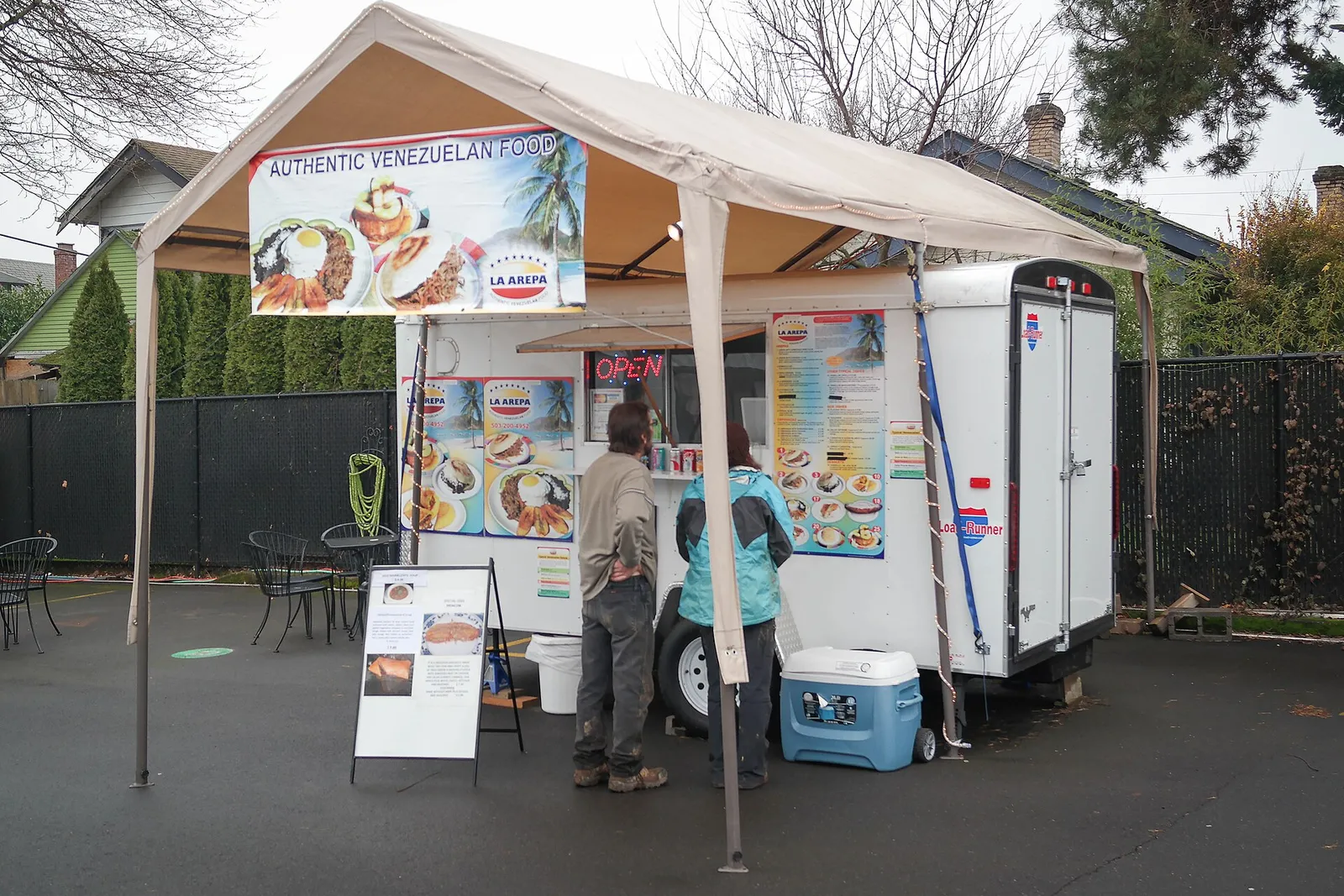
Montano owns Full Arepas, a Venezuelan restaurant in downtown Los Angeles. Her parents were inside a parking structure in a building that came down in the quakes, and they have not been found since, she told ABC7. Rather than wait by the phone, she turned her restaurant into a collection point for relief supplies almost immediately.
"I don't have time for crying, because, you know, I am doing," she said. "If we cannot help from over there, we can help from here."
A restaurant becomes a relief hub
Within days of the disaster, Full Arepas filled with donated clothing, toiletries, baby supplies and non-perishable food, dropped off by neighbors, regulars and strangers who heard about the drive online. The collected goods are being boxed for shipment to earthquake victims in Venezuela. It is part of a wider effort across Southern California's Venezuelan community, with restaurants, churches and community groups organizing collection points, Telemundo 52 reported.
Customers have arrived with donations and left in tears, moved by an owner who keeps working through her own private emergency.
The scale of the disaster
The Herald has tracked the Venezuela earthquakes since they struck. They rank among the deadliest in the country's modern history: ABC7, citing officials, reported at least 1,430 people confirmed dead and tens of thousands more reported missing — figures complicated by collapsed infrastructure and communication blackouts in the hardest-hit areas. Three Americans are among the confirmed dead.
The official response from Southern California has been substantial. Dozens of Los Angeles County firefighters have deployed to Venezuela as part of U.S. urban search-and-rescue teams, joined by crews from Virginia and Florida. But for the hundreds of thousands of Venezuelans in the region with relatives in the disaster zone, official channels can feel distant when the missing face is a parent's.
The wait, and the work
For Montano and others in the diaspora, the days since the quakes have been a vigil without a timeline. Phone lines in collapsed areas remain unreliable, and lists of survivors are incomplete. Each day without news is its own weight to carry.
So she keeps packing boxes — the one thing within reach when her parents are not. Those who want to support the relief effort can follow Full Arepas through its social media channels for collection updates. For Montano, the work and the hope are the same thing: she cannot reach her parents, but she can fill the box in front of her.