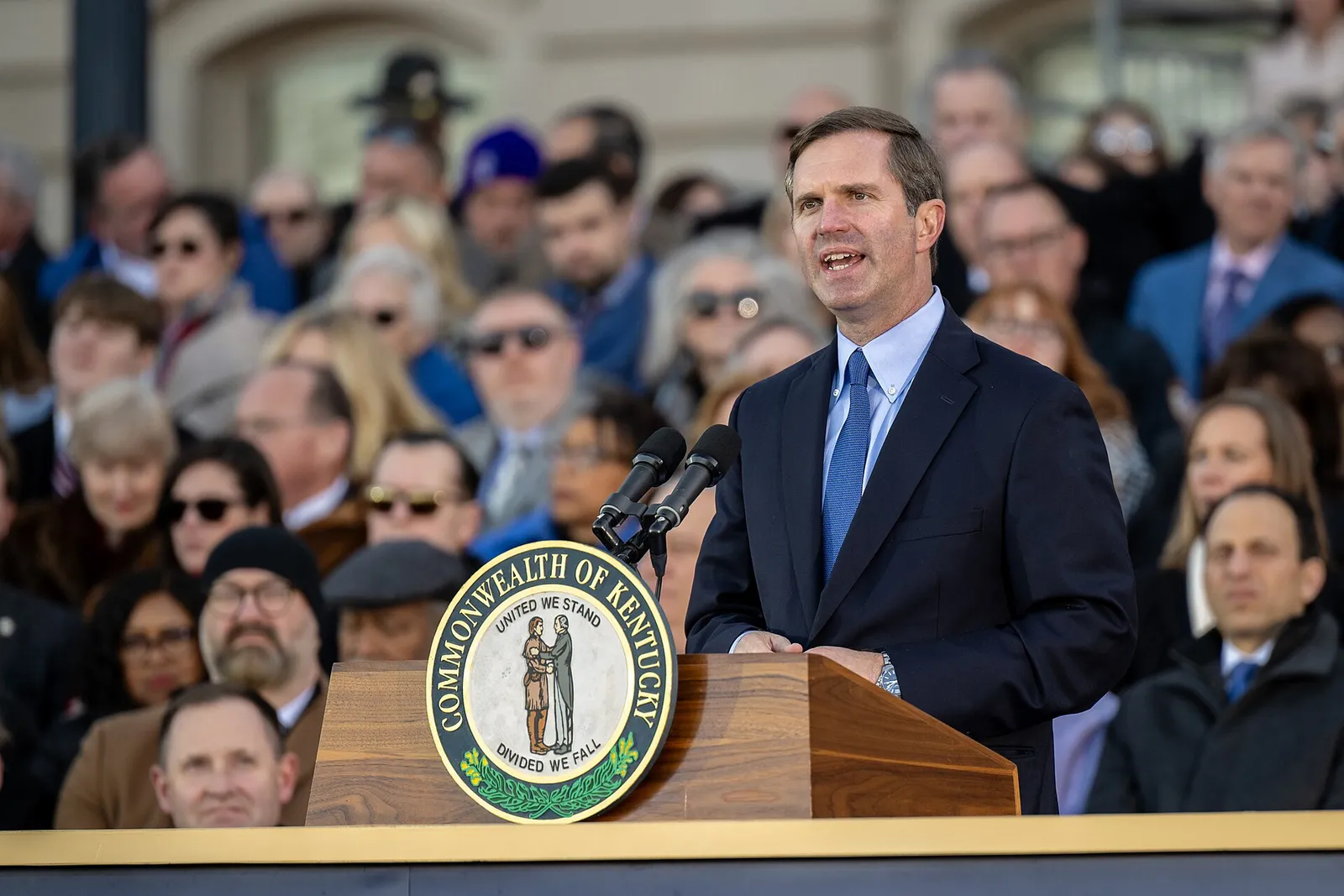
House Minority Leader Hakeem Jeffries spent primary night watching candidates he had backed lose to challengers from his party's left — a result that has thrust the question of Democratic unity to the center of the 2026 campaign.
A night of upsets in New York
On June 23, several House candidates aligned with the Democratic Socialists of America won competitive New York City primaries, in some cases defeating incumbents Jeffries had endorsed. In a Manhattan-area district, DSA-backed organizer Darializa Avila Chevalier ousted veteran Rep. Adriano Espaillat, ABC7 New York reported, while former city Comptroller Brad Lander defeated Rep. Dan Goldman, another Jeffries ally, and Claire Valdez won a third seat.
At one victory party, Jeffries appeared on a video screen and drew boos and a chant of "You're next," according to the Jewish Telegraphic Agency.
A national pattern
New York was not an outlier. DSA-backed candidates have won dozens of Democratic primaries across the country this cycle, and the bloc of self-identified democratic socialists in Congress — currently two members — is projected to grow to at least five when the new Congress convenes in January 2027, JTA reported.
The morning after the New York results, Jeffries posted a message congratulating the party's nominees — including the three who had beaten his picks — and has played down talk of division heading into November.
The left's argument
Progressives cast the results as proof that a message built on economic populism is resonating, and as ordinary democratic accountability. Rep. Pramila Jayapal said the wins "strengthen our hand," according to ms.now, and Rep. Alexandria Ocasio-Cortez urged the party to "stand for a real change for working families." Some DSA organizers have openly mused about a future primary challenge to Jeffries himself.
The establishment's worry
Moderates counter that the leftward surge could cost Democrats in the competitive suburban districts they need to retake the House. Rep. Gregory Meeks of New York warned against the party emulating "the MAGA Republicans" by prizing purity over results, ms.now reported, while Rep. Laura Gillen, who holds a swing seat, pointedly called herself "a capitalist, not a socialist."
There is also a foreign-policy dimension. Jeffries is closely aligned with pro-Israel groups, while the DSA supports the boycott, divestment and sanctions movement — a gulf that has drawn some Jewish community leaders to rally publicly to his defense, JTA reported.
The stakes for the majority
The tension is structural. The organizing energy of the socialist left can help mobilize Democratic voters, but its policy positions and its willingness to primary sitting incumbents unsettle the moderates whose seats are essential to a majority. With control of the narrowly divided House at stake in November, how Jeffries holds those factions together — or fails to — may be one of the defining storylines of the Democratic campaign.