


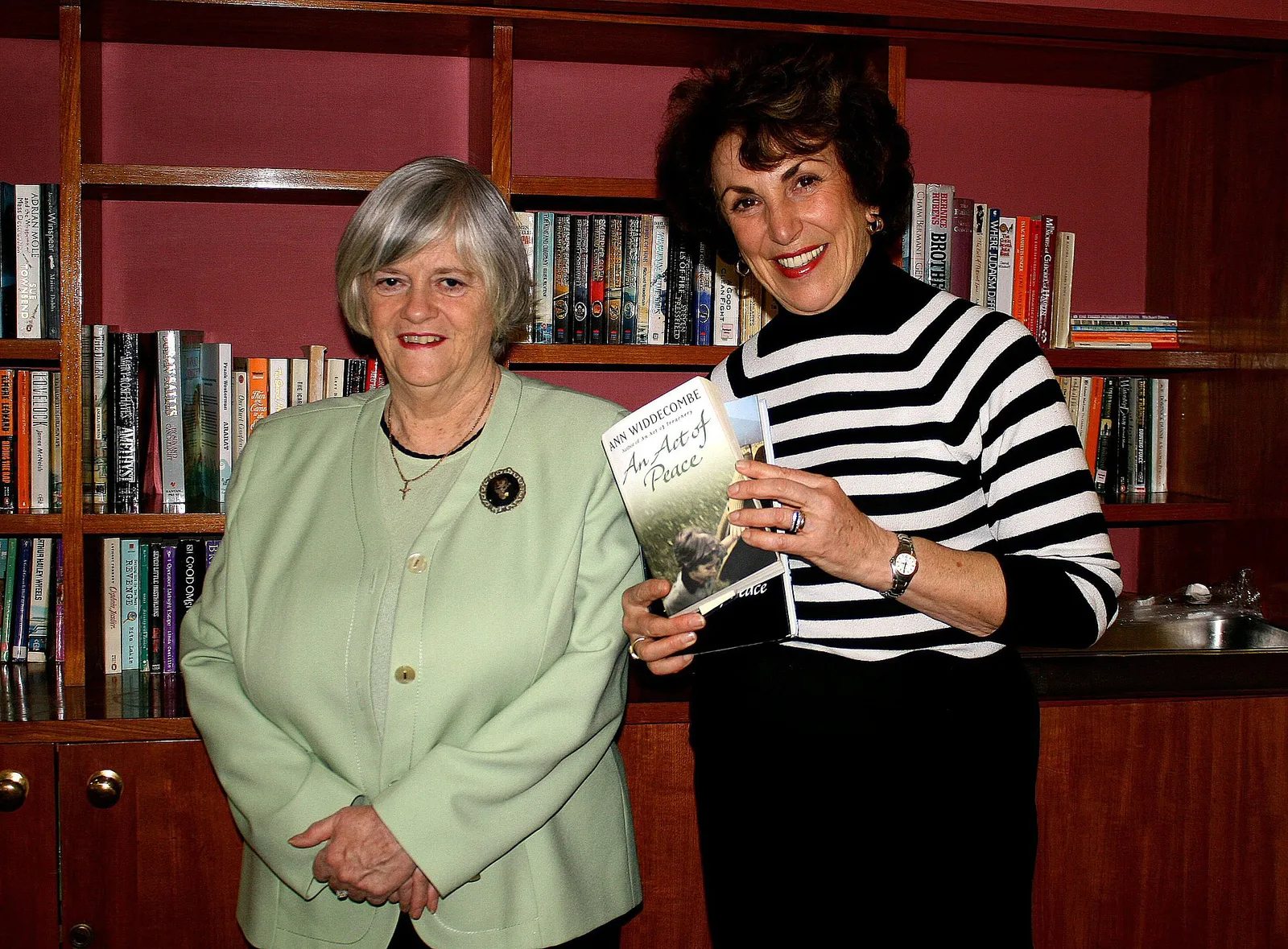
Ann Widdecombe, one of the most recognizable figures in modern British public life, was killed in what counter-terrorism police describe as a targeted attack at her home in Devon, authorities said. She was 78.
What police have said
Widdecombe was found dead at about 11:40 a.m. on July 9 at her home in Haytor Vale, on Dartmoor, and police believe she was attacked there around midday the day before. She had appeared remotely on a broadcast that morning and failed to join a scheduled television interview at lunchtime, prompting concern.
Britain's counter-terrorism command has taken the lead in the investigation. "It is clear that this was a targeted attack," said Laurence Taylor, head of national counter-terrorism policing, adding that investigators are still working to establish any planning behind it and the attacker's motivation. A 28-year-old man was arrested on suspicion of murder and later on suspicion of terrorism offences, and police made a further arrest in the days after. Officials have not stated a motive, and no motive has been confirmed.
A long and combative career
Widdecombe served as a Conservative member of Parliament from 1987 to 2010, representing a Kent constituency, and rose to become minister of state for prisons in the mid-1990s under Prime Minister John Major. Blunt, socially conservative and a devout Roman Catholic, she was one of Westminster's most quotable figures, willing to stake out unpopular positions and defend them at length.
After leaving Parliament she became a fixture of British television, appearing on entertainment programs that introduced her to audiences far beyond politics. She returned to the political stage later in life, winning a seat in the European Parliament for the Brexit Party in 2019 and subsequently aligning with Reform UK, the party led by Nigel Farage, as a campaigner on immigration and justice.
Reaction
Farage called her death a "terrible reflection on modern Britain," saying the country was poorer without her. Tributes crossed party lines, with figures who had often disagreed with her acknowledging a formidable and independent-minded public servant. The killing of a well-known former politician, and the decision to treat it as a possible terrorism case, has unsettled Britain and renewed long-running concerns about the safety of public figures.
Devon and Cornwall Police, working alongside counter-terrorism officers, said the investigation is continuing and asked the public not to speculate about the motive while inquiries proceed.