

A single report about Baidu's chip business was enough to move the stock.
The jump
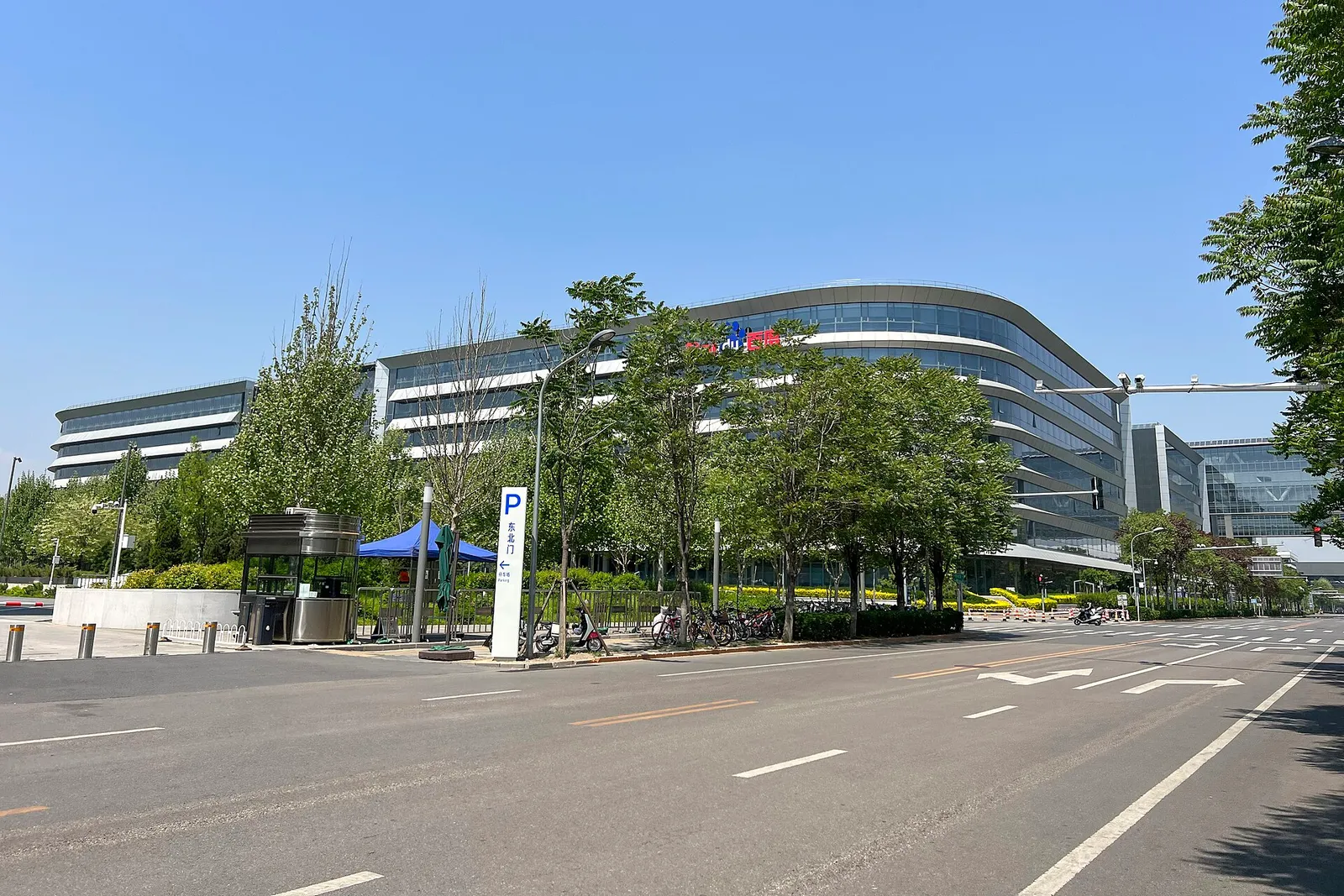
Baidu's Hong Kong-listed shares rose as much as roughly 7% before paring gains, and its U.S.-traded shares climbed too, CNBC reported, after the outlet The Information reported that the company's artificial-intelligence chip unit, Kunlunxin, is targeting a valuation of about $50 billion in a Hong Kong initial public offering. Baidu did not comment, and the figure should be treated as an unconfirmed report rather than a company disclosure.
If accurate, the target would mark a steep rerating: earlier estimates this year had put Kunlunxin's value far lower, in the low-to-mid teens of billions of dollars, according to reporting aggregated by Yahoo Finance. A jump of that size in a matter of weeks is unusual, even in a market paying rich premiums for anything tied to AI.
What Kunlunxin is
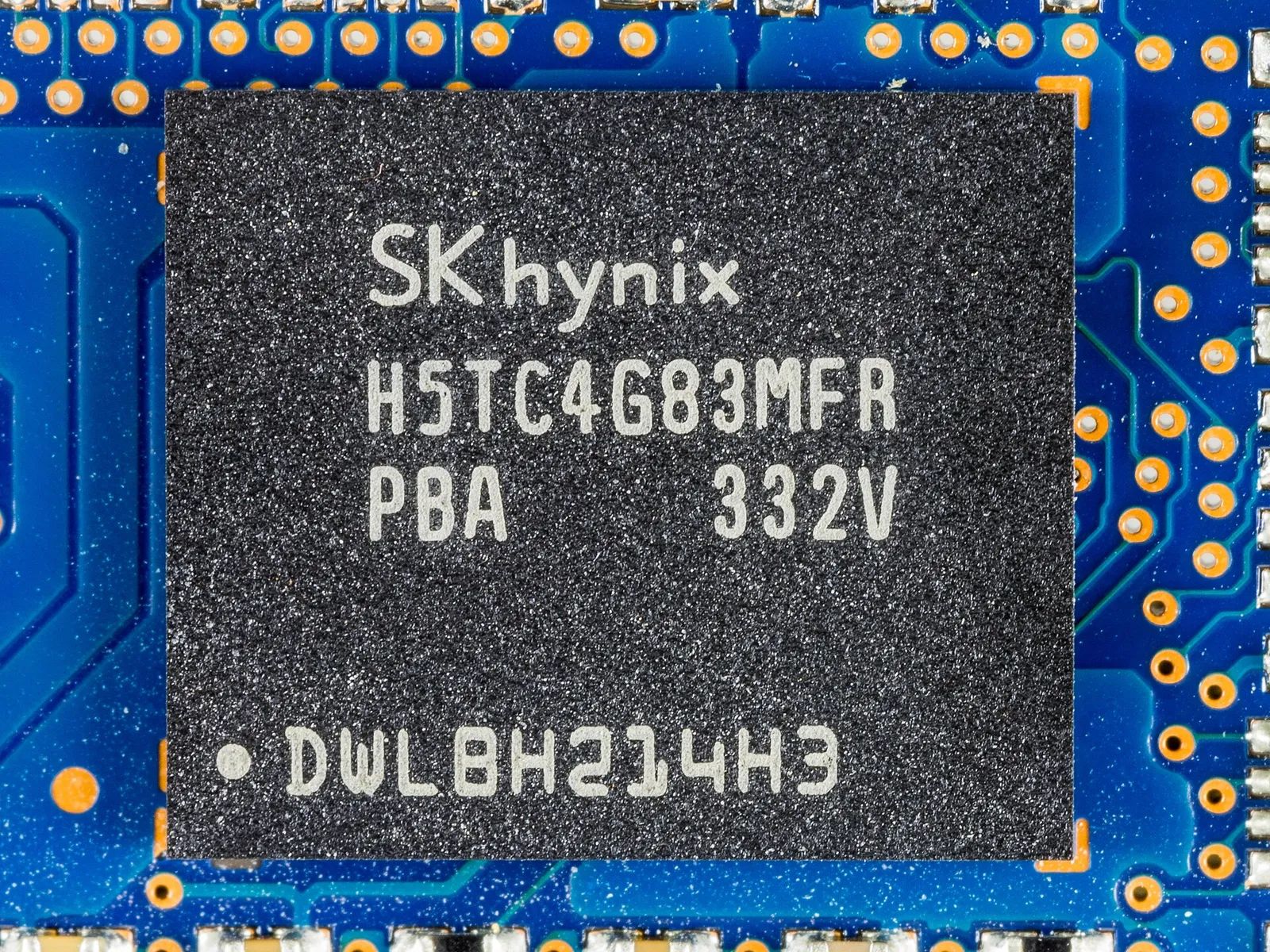
Kunlunxin began as an internal Baidu unit designing AI accelerators — the specialized processors that train and run AI models — and has since grown into a more independent business with outside customers. Its chips are pitched as a domestic option for Chinese companies that can no longer freely buy Nvidia's most powerful processors.
The Nvidia backdrop
That is the heart of the story. Washington has progressively restricted Nvidia's ability to sell its top data-center chips to Chinese buyers, creating a supply gap that domestic designers — Kunlunxin, Huawei's Ascend line and Cambricon among them — are racing to fill. Beijing has made chip self-sufficiency a national priority, and that policy tailwind has translated into strong investor appetite. Hong Kong's market for new listings has been unusually busy this year, and an AI-chip champion is exactly the kind of story bankers want to take public.
The caveats
A few cautions are in order. The $50 billion figure comes from a single news report, not from Baidu or Kunlunxin. The unit operates in a fiercely competitive field where Chinese designers still trail Nvidia on the most advanced hardware, and any listing would face scrutiny over its structure and customer commitments. Whether the number survives institutional due diligence — or proves to be an opening bid that settles lower — remains to be seen.
For Baidu, though, the logic is clear enough. Spinning out Kunlunxin could raise capital for chip development while handing the company a high-profile AI-infrastructure story at a moment when its core search-and-advertising business faces pressure from a new generation of AI rivals. On Monday, at least, investors liked the sound of it.